
Photos from current listings. Actual item, color, and included accessories may vary.
Replacement Aquarium Light Buying Guide
A replacement aquarium light is a drop-in or bolt-on LED fixture that restores or upgrades illumination for a planted, reef, or community tank without replacing the entire hood or canopy. The core trade-off is spectrum and PAR intensity versus heat and compatibility: generic white LEDs cost less but lack the blue/red peaks and dimming control that drive plant growth and coral fluorescence. The decision rule is simple—match the replacement to your tank's water depth, resident light demand (low, medium, high), and existing mounting footprint; if the fixture cannot hit the required PAR at substrate depth or lacks independent white/blue channels, it is a compromise, not a durable replacement.
Median $63.99
Key takeaways
- LED architecture splits into two tiers: discrete-diode fixtures with separate white/blue/red channels (adjustable spectrum, higher PAR per watt) versus integrated COB or strip arrays (fixed spectrum, cheaper, lower penetration in deep tanks).
- PAR at substrate is the real metric—not lumen output: a 30 cm deep low-tech tank needs roughly 30–50 PAR, while a 60 cm deep high-tech planted or SPS reef tank needs 150–300 PAR, so fixture wattage and optic angle must scale with depth.
- Mounting standards differ by generation: legacy fluorescent hoods use T5/T8 end caps and ballasts, while LED replacements use leg-mount brackets, rim clips, or hanging kits—measure the old fixture's length and rim thickness before ordering.
At a glance
- Category
- Aquarium Lights & CO2 Systems
- Last updated
- Nov 25, 2026
Current offers
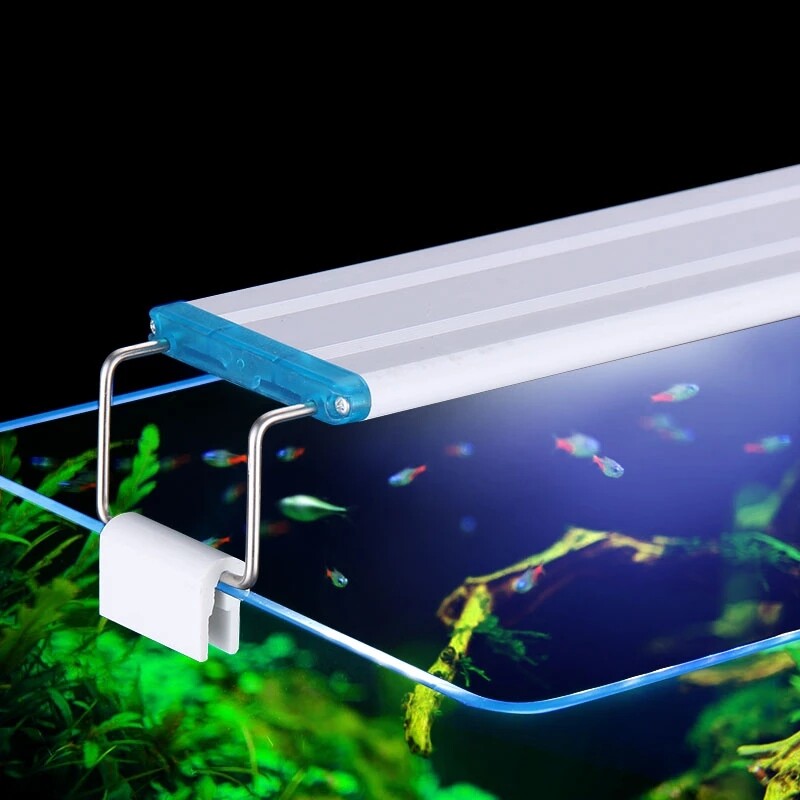 Aquarium Lighting Aquatic Plant LED Light Multi-Color Full Spectrum Extensible$14.24View on eBay
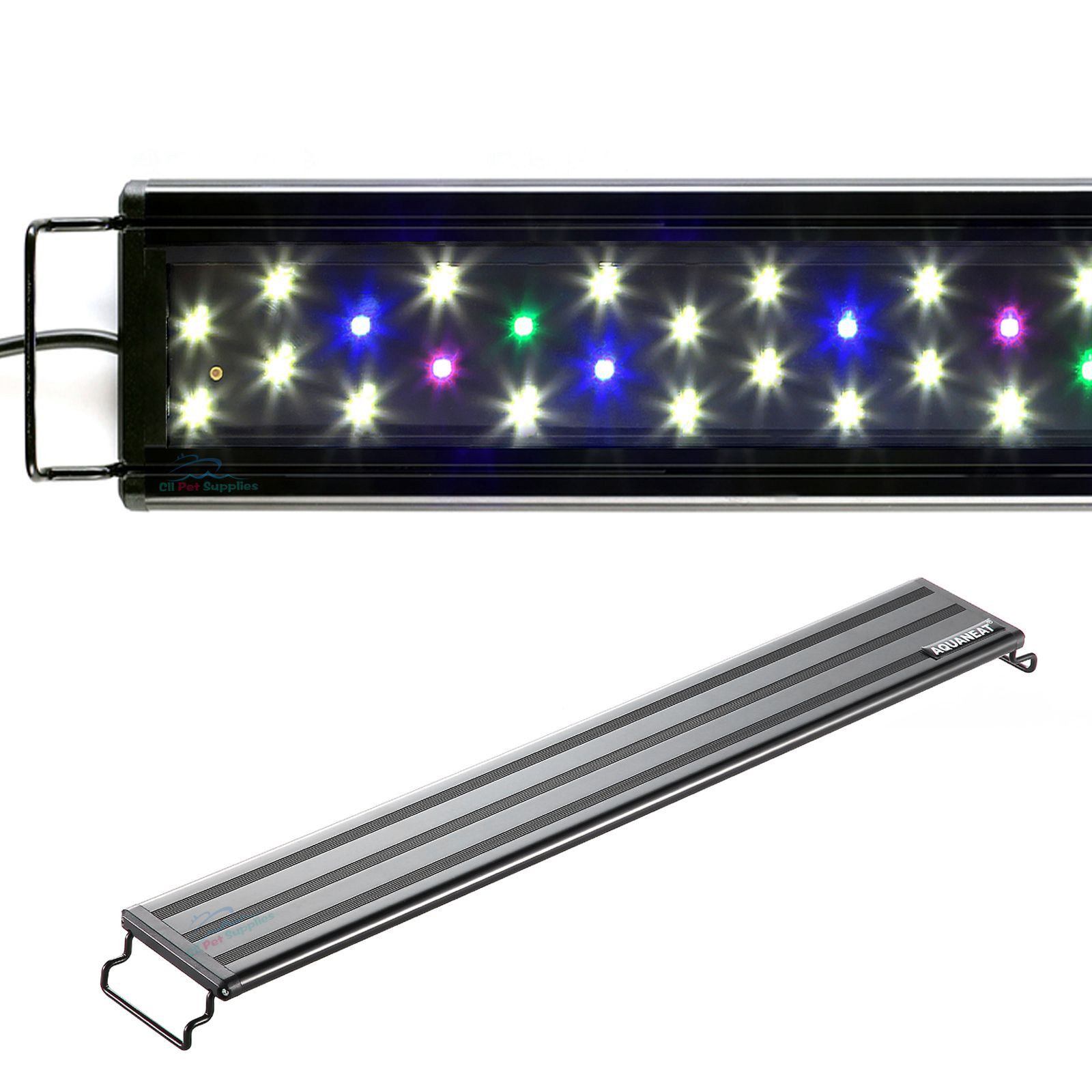 AQUANEAT Aquarium LED Light Full Spectrum 12 20 24 30 36 48 Inch Fish Tank Light$16.09View on eBay
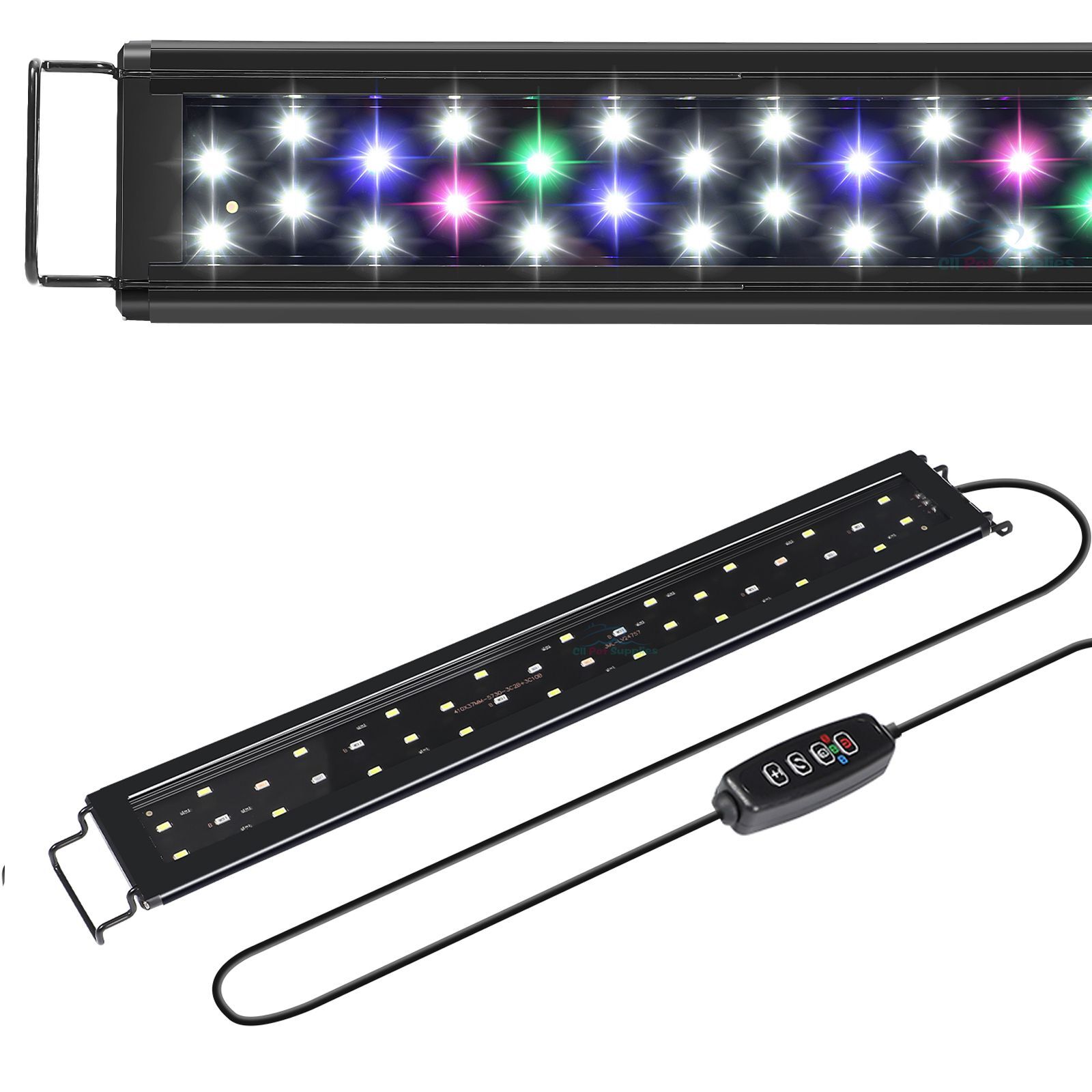 AQUANEAT LED Aquarium Light, 12 20 24 30 36 48" Full Spectrum, Adjustable Timer$19.99View on eBay
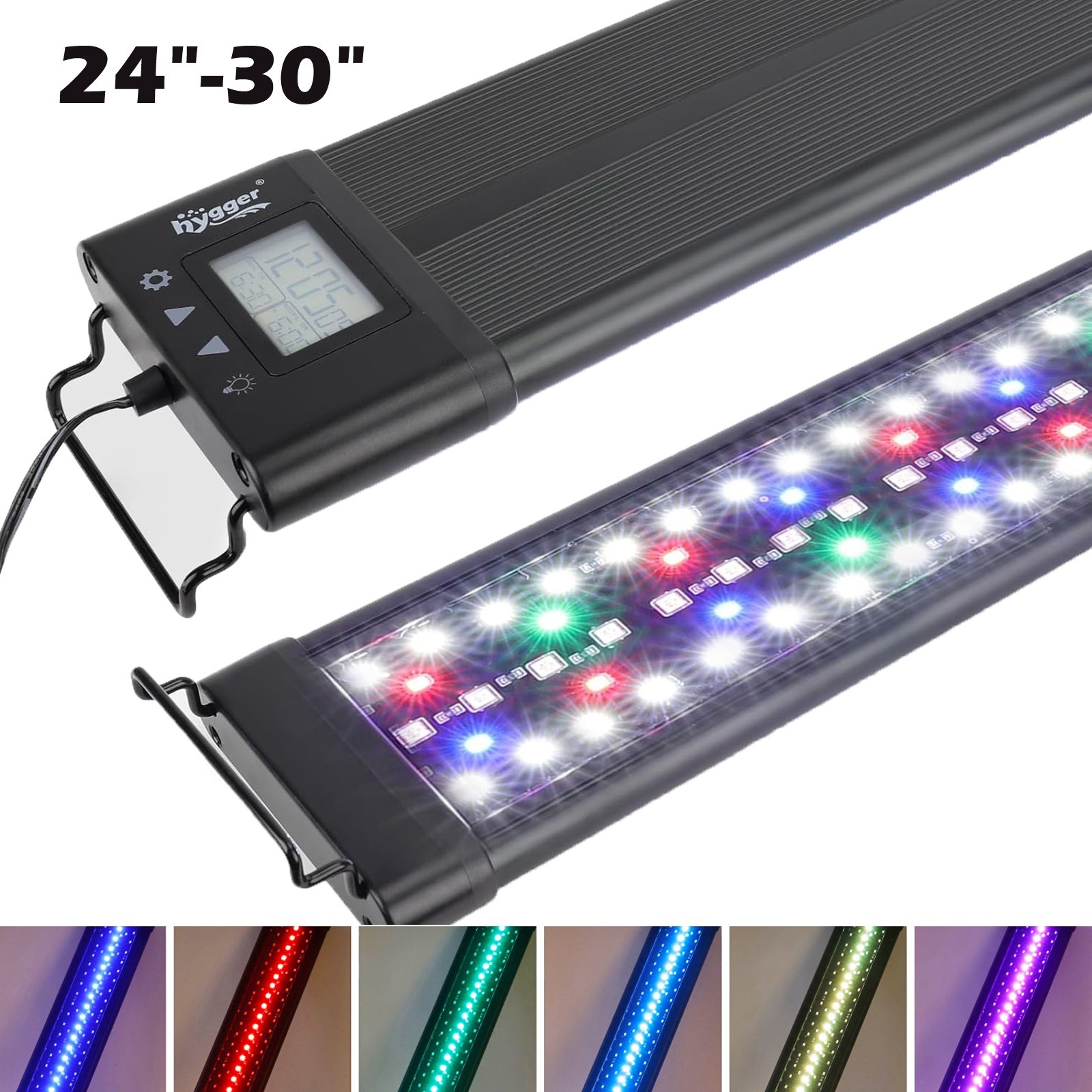 hygger Aquarium Light Full Spectrum Sunrise/Daylight/Moonlight 18 24 30 36 48"$42.99View on eBay
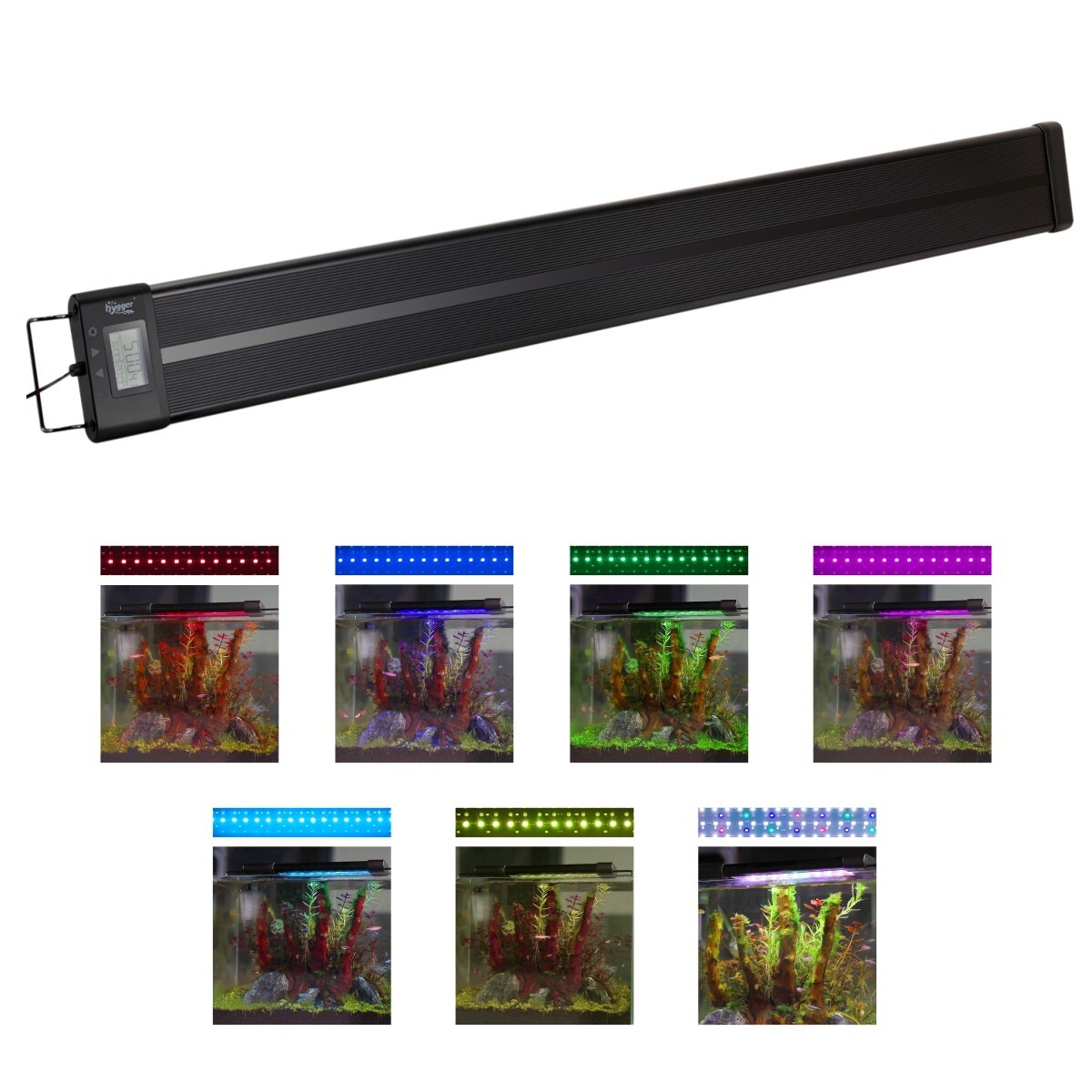 hygger Aquarium Light 18 24 30 36 48" Fish Tank Plant Lighting Sunrise/Day/Moon$59.99View on eBay
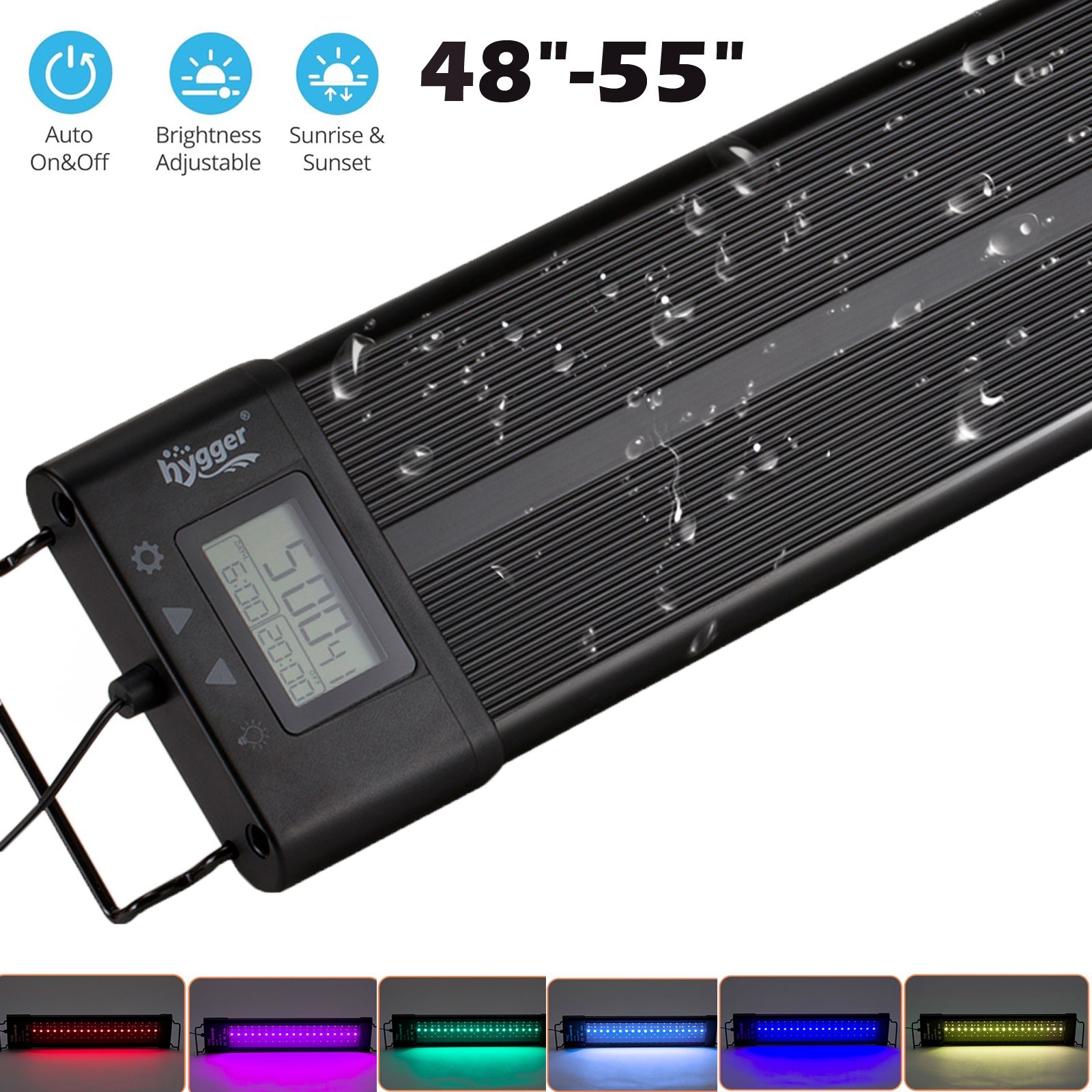 hygger 24/7 Cycle Planted Aquarium Lighting 18 24 30 36 48" LED Fish Tank Light$61.99View on eBay
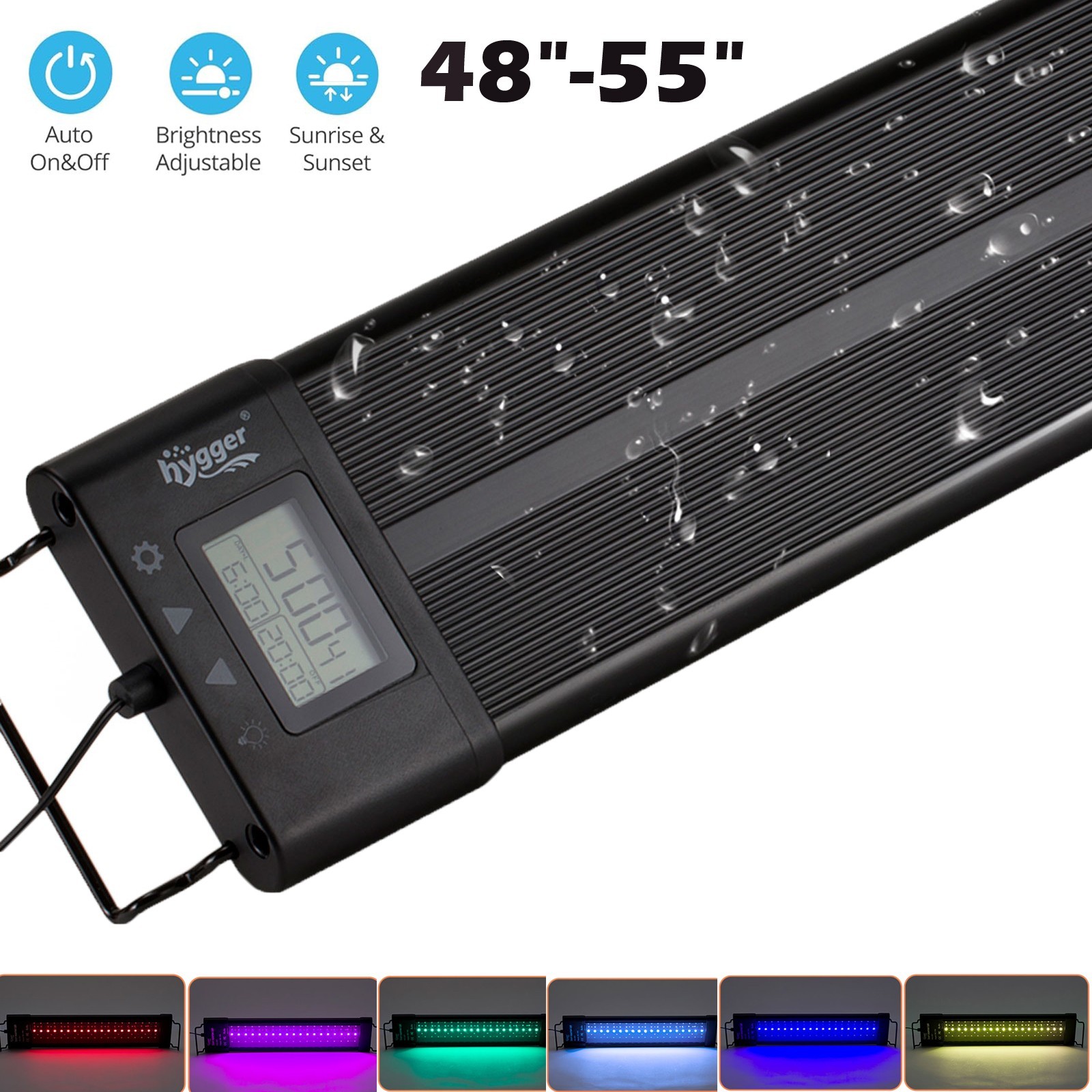 hygger Aquarium Light Fish Tank LED w/ Timer Full Spectrum Plant 18 24 30 36 48"$65.99View on eBay
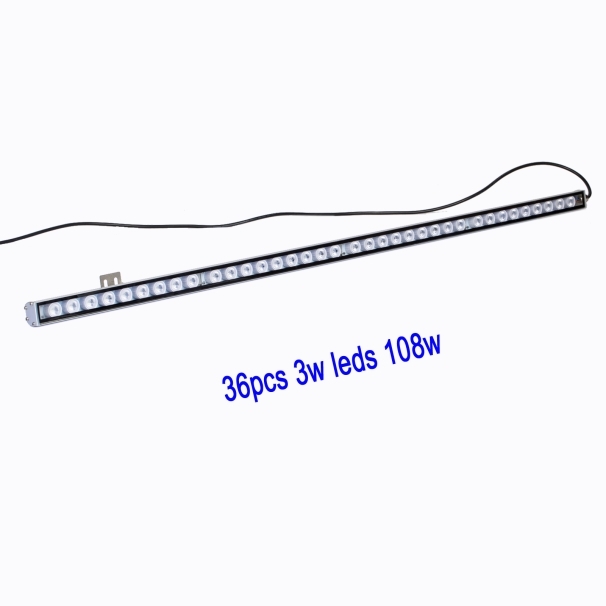 POPULARGROW 54w/81w/108w LED Aquarium Light Bar Blue Bulb Fish Tank Plant Coral$73.99View on eBay
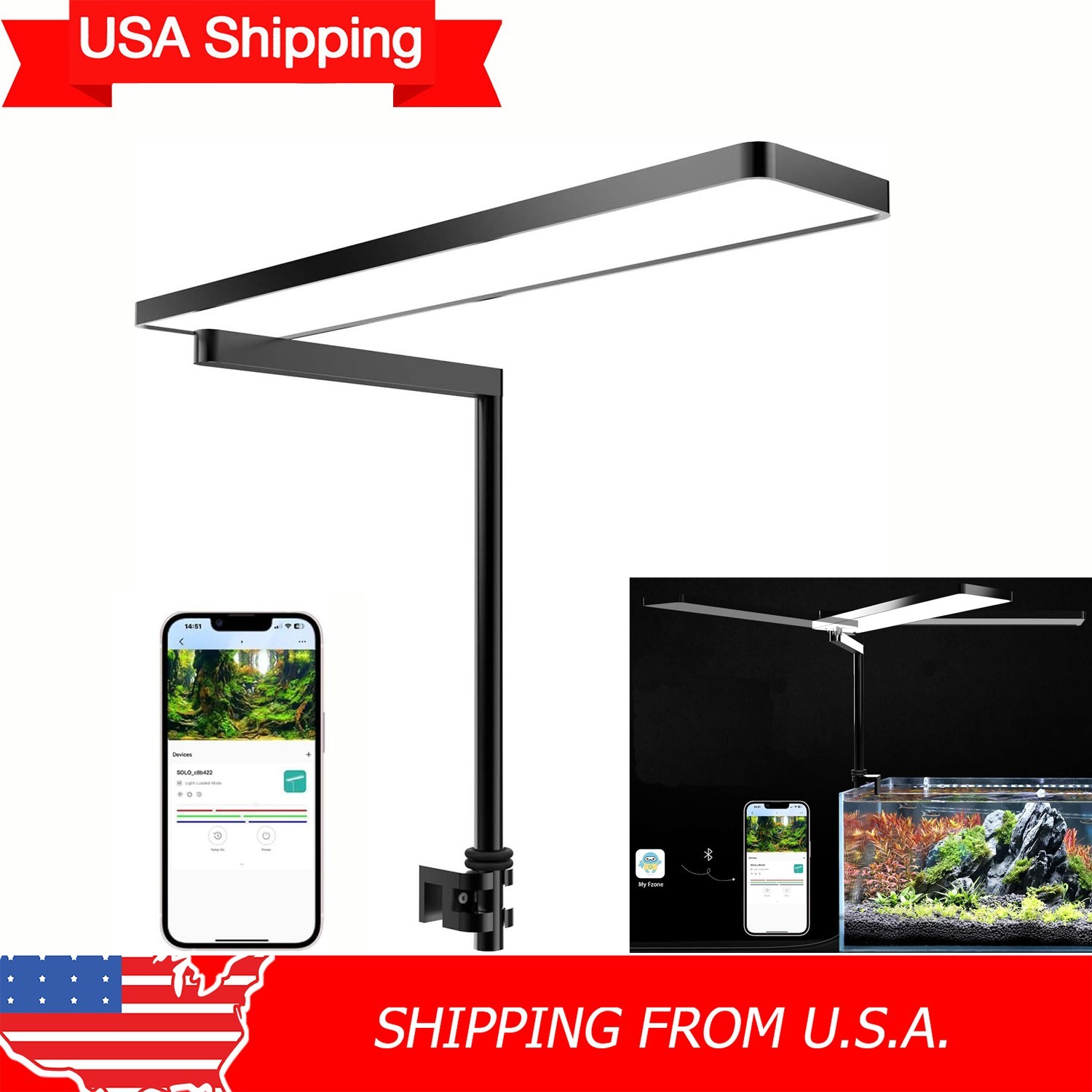 Nano LED Aquarium Light Dimmable Full Spectrum App-Controlled for Planted Tanks$79.99View on eBay
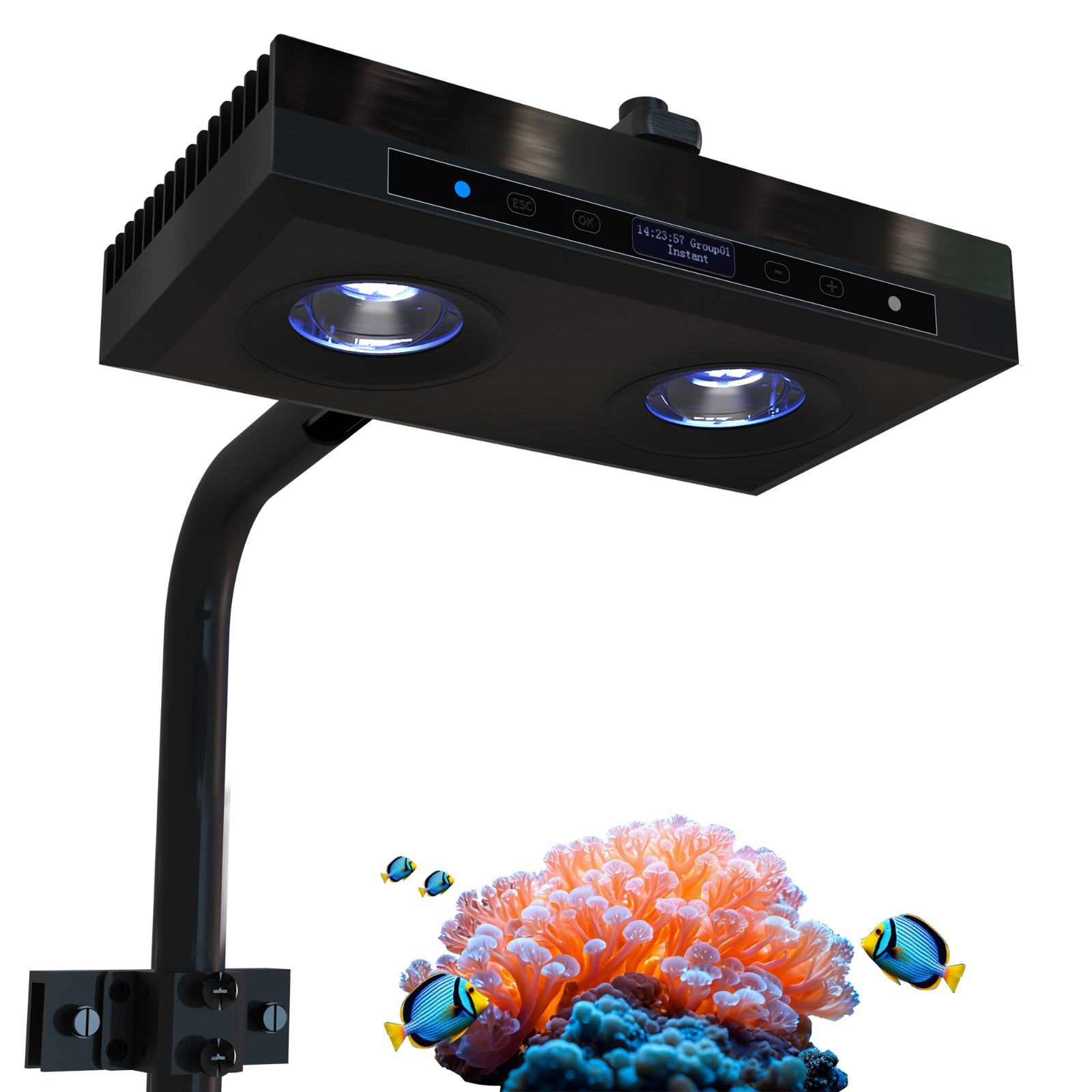 CTLite G5 aquarium light 95w reef tank light Programmable$139.00View on eBay
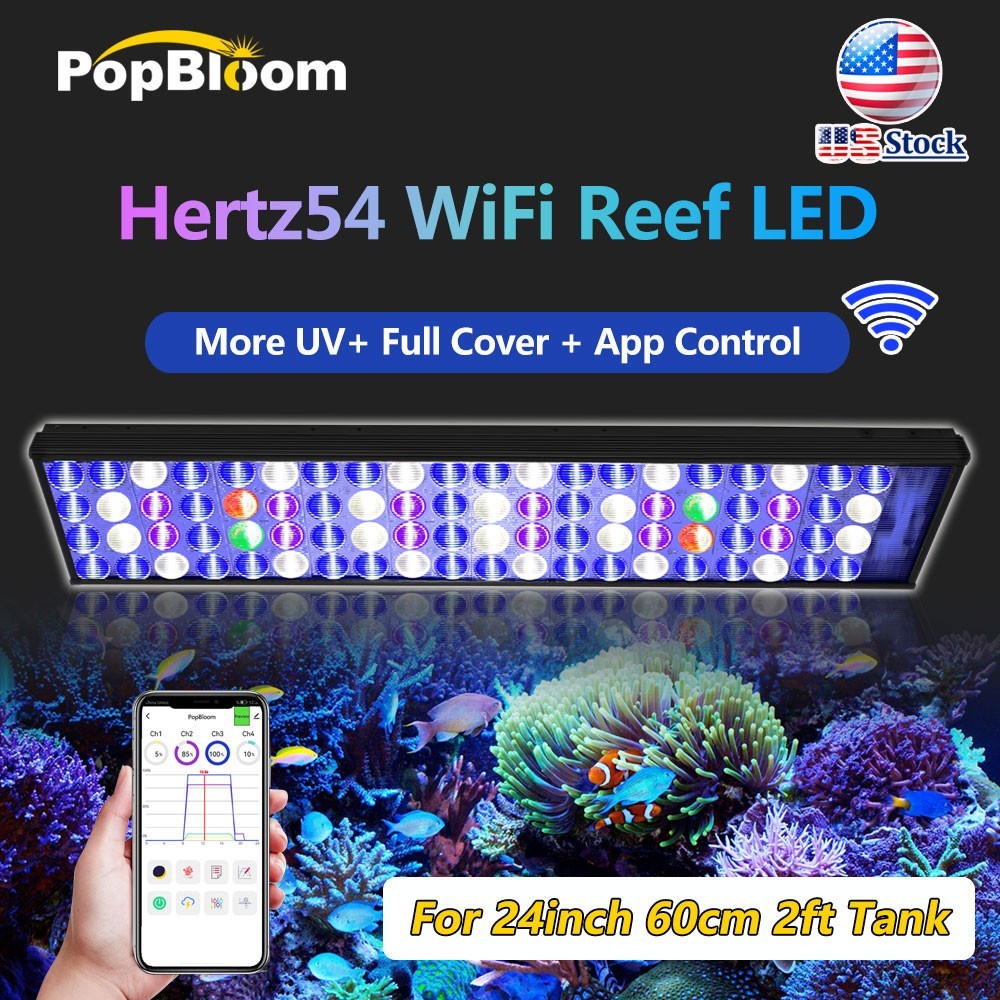 PopBloom H54 Reef WiFi Control LED Aquarium Light Full Spectrum Reef Coral Tank$146.02View on eBay
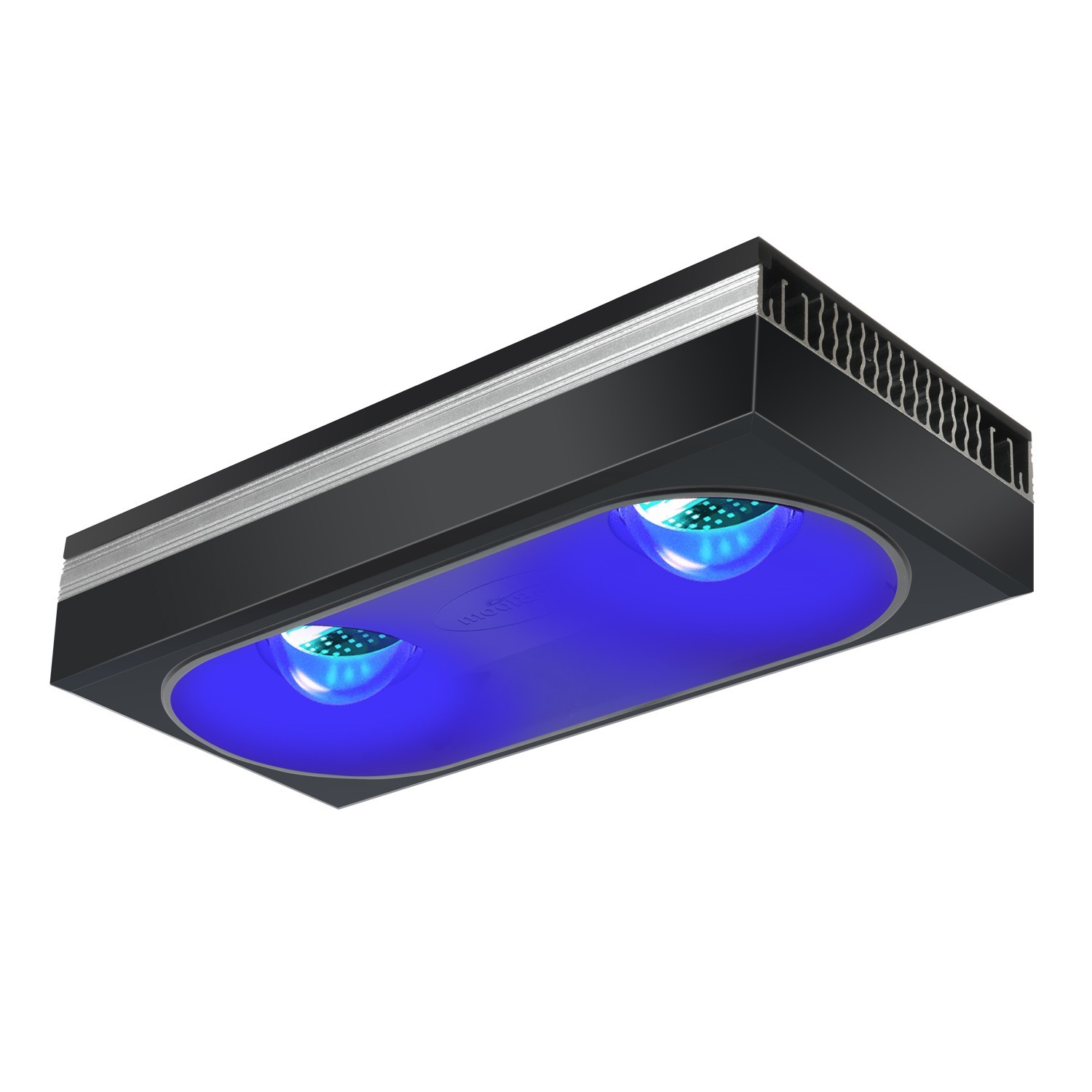 Reef LED RL90 WiFi Saltwater Aquarium Light Reef for Corals Reef Marine 90W 180W$219.84Last checked Nov 18, 2026View on eBay
Highlights
- LED architecture splits into two tiers: discrete-diode fixtures with separate white/blue/red channels (adjustable spectrum, higher PAR per watt) versus integrated COB or strip arrays (fixed spectrum, cheaper, lower penetration in deep tanks).
- PAR at substrate is the real metric—not lumen output: a 30 cm deep low-tech tank needs roughly 30–50 PAR, while a 60 cm deep high-tech planted or SPS reef tank needs 150–300 PAR, so fixture wattage and optic angle must scale with depth.
- Mounting standards differ by generation: legacy fluorescent hoods use T5/T8 end caps and ballasts, while LED replacements use leg-mount brackets, rim clips, or hanging kits—measure the old fixture's length and rim thickness before ordering.
- Heat management separates durable from disposable: aluminum-bodied fixtures with finned heat sinks and IP67 waterproof ratings outlast sealed plastic housings that trap heat and degrade LED phosphors within a couple of years.
Best use cases
- Best fit: low-to-medium light planted tanks (java fern, anubias, crypts) under 40 cm deep—pick a 20–40 watt dimmable LED with independent white/blue channels and a timer; skip high-output reef fixtures that overshoot PAR and fuel algae.
- Best fit: reef or high-tech planted tanks 50–60 cm deep—choose a fixture with ≥100 PAR at substrate, 90° or narrower optics, and programmable sunrise/sunset; skip fixed-spectrum strip lights, which cannot sustain SPS corals or carpeting plants.
- Best fit: replacing a failed fluorescent hood on a standard 60–120 cm tank—match the old fixture's length and end-cap format, then select an LED retrofit with leg mounts or a rim-clip kit; skip bare strip lights unless you already own a separate mounting rail.
- Wrong fit: nano tanks under 20 liters—full-size fixtures with 60° optics concentrate light and overheat small water volumes; choose a low-wattage nano LED with wide diffusion instead.
Buying tips
- Size the fixture to the tank length, not the old bulb: a 60 cm tank takes a 45–60 cm fixture with adjustable legs; leaving 10–15 cm of unlit glass at each end is acceptable for low-light setups but not for full carpet coverage.
- Match wattage to depth and demand: roughly 0.3–0.5 W per liter for low-tech, 0.5–1 W per liter for high-tech planted, and 1–2 W per liter for reef—then confirm PAR at substrate rather than trusting wattage alone.
- Check channel control: a true replacement-grade LED offers separate white, blue, and sometimes red channels with at least 0–100% dimming; single-switch fixtures cannot tune spectrum and often run too blue or too white for plants.
- Confirm waterproof rating and heat sink: IP67 or IP68 with an aluminum body is the durable baseline; IP20 plastic-housed strips are splash-prone and should be reserved for covered hoods only.
Specs
| LED Type | Discrete diode vs COB strip |
|---|---|
| Spectrum Control | White/blue/red channels, 0–100% dim |
| Waterproof Rating | IP67/IP68 aluminum body |
| Mounting Format | Leg mount / rim clip / hanging kit |
Related searches
What to check before buying
- Measure the tank's outer length, rim thickness, and any hood or canopy opening—fixture legs and clips must span that exact footprint without resting on the water.
- Note the water depth from fixture to substrate; use it to set the minimum PAR target (30–50 for low light, 100+ for high light) before comparing fixtures.
- Verify the old fixture's connector and ballast type if reusing wiring—T5/T8 end caps are not interchangeable with LED drivers, so a full fixture replacement is safer than a bulb-only swap.
- Check the power standard and timer compatibility: most LED replacements use a standard wall adapter with inline controller; confirm the plug type and whether the timer is built-in or external.
FAQ
Data sources: eBay / Amazon listings and product attribute feeds. Updated Nov 25, 2026.
Some links on this page are affiliate links. If you buy after clicking one, we may earn a commission at no extra cost to you. This does not change which products appear here or their order. Affiliate disclosure.