
Photos from current listings. Actual item, color, and included accessories may vary.
CO2 System Buying Guide
A CO2 system for a planted aquarium delivers dissolved carbon to drive plant growth, and the segment splits into pressurized cylinder rigs (regulator, solenoid, bubble counter) and yeast/sugar bio-generators (reactor bottles, gauge, diffuser). The core trade-off is control and consistency versus cost and simplicity: pressurized systems hold stable ppm and shut off at night, while bio-generators swing with temperature and fermentation cycles. The decision rule is clear — buy pressurized for tanks over roughly 40 gallons or any high-light setup, and buy a complete bio-kit only for low-tech nano tanks where weekly maintenance is acceptable.
Median $43.49
Key takeaways
- Pressurized systems use a dual-gauge regulator (working pressure ~30-45 psi) with a solenoid valve on a timer; bio-generators produce under 15 psi and rely on manual needle-valve adjustment.
- Cylinder capacity is the runtime metric: a 2L reactor or 5.5L generator runs weeks per charge, while a standard 5 lb paintball/CO2 cylinder lasts months on a 20-40 gallon tank at 1-2 bubbles per second.
- Diffuser efficiency depends on ceramic pore size and placement — inline or under-filter flow dissolves more CO2 than a passive bell; bubble counters and check valves are mandatory to prevent backflow.
At a glance
- Category
- Aquarium Lights & CO2 Systems
- Last updated
- Nov 25, 2026
Current offers
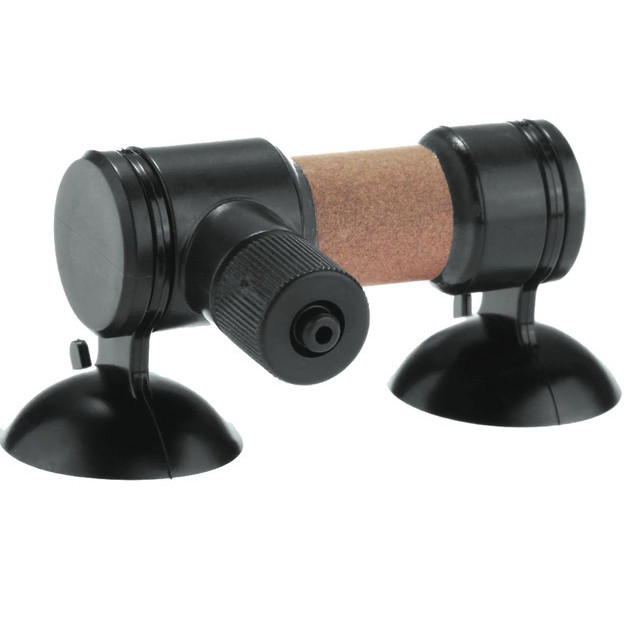 Super CO2 Carbon Dioxide Bubble Diffuser for Aquarium Grass Plant Tank$9.66View on eBay
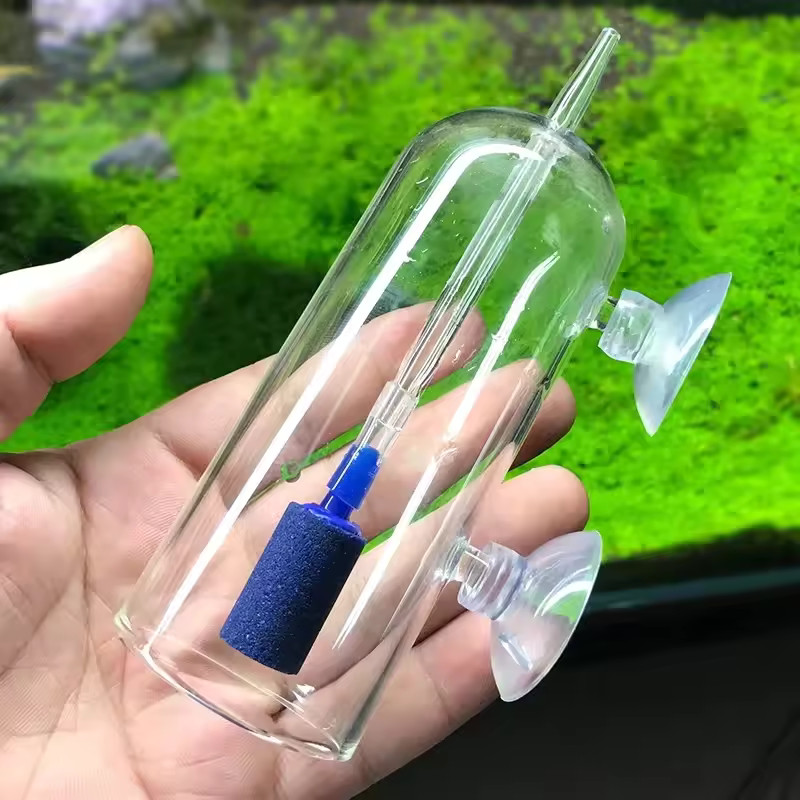 CO2 Diffuser Purge Aeration For Aquarium Tank$13.99View on eBay
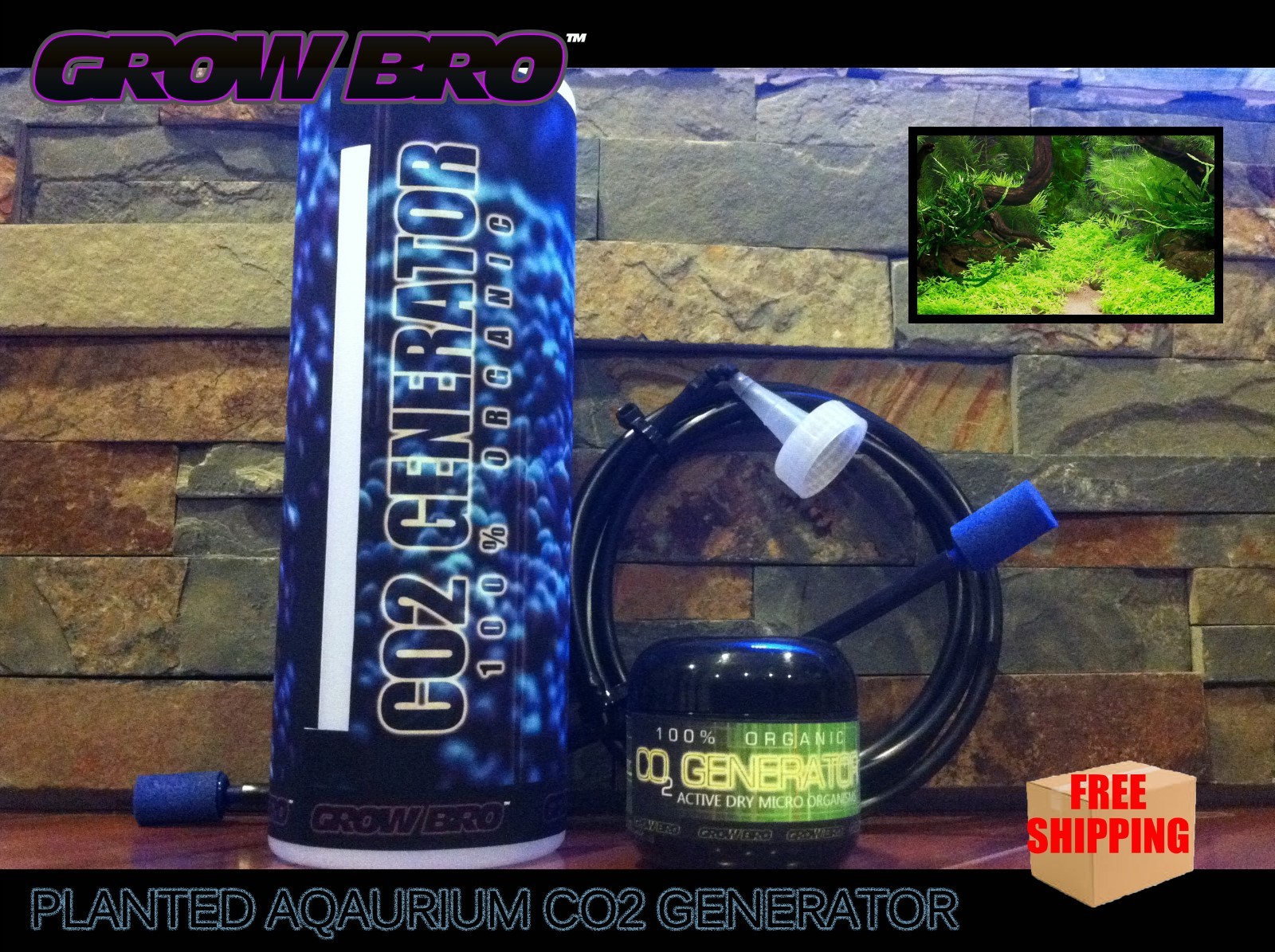 CO2 Generator System For Planted Aquariums To 40 Gallons Organic Bio Safe$18.99View on eBay
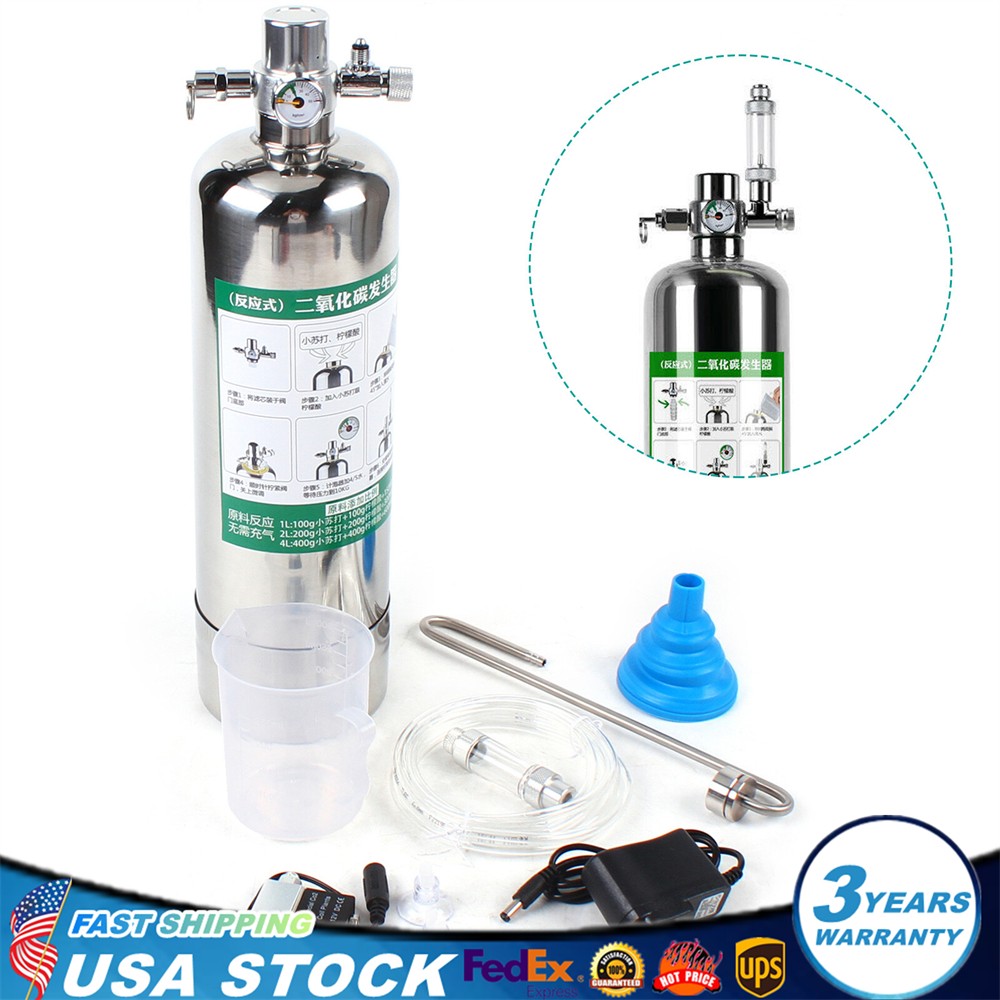 2L Aquarium Plants Cylinder CO2 Generator System Kit Carbon Dioxide Reactor$67.99View on eBay
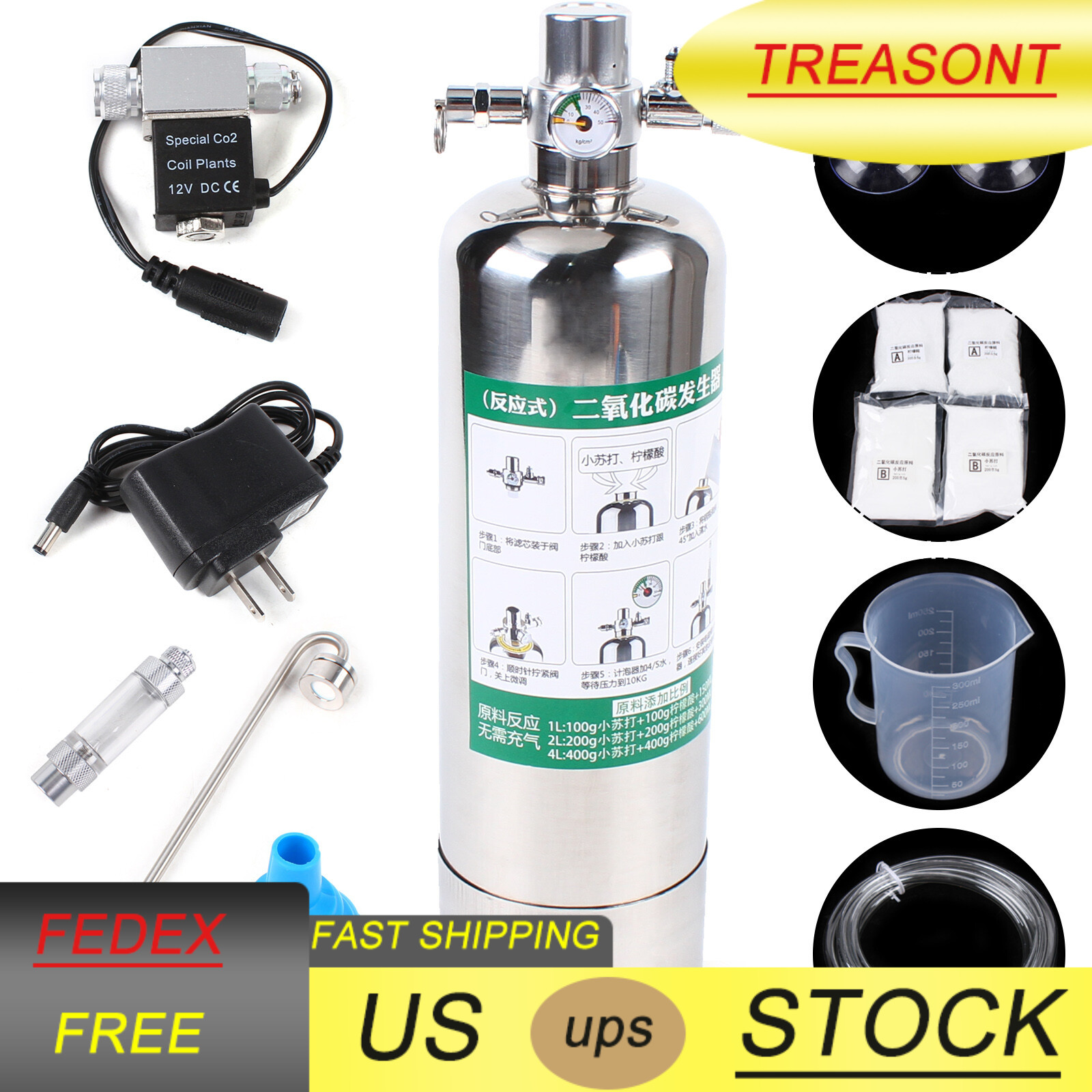 Stainless Steel Aquarium CO2 Generator System Kit Cylinder Carbon Dioxide Plants$78.72View on eBay
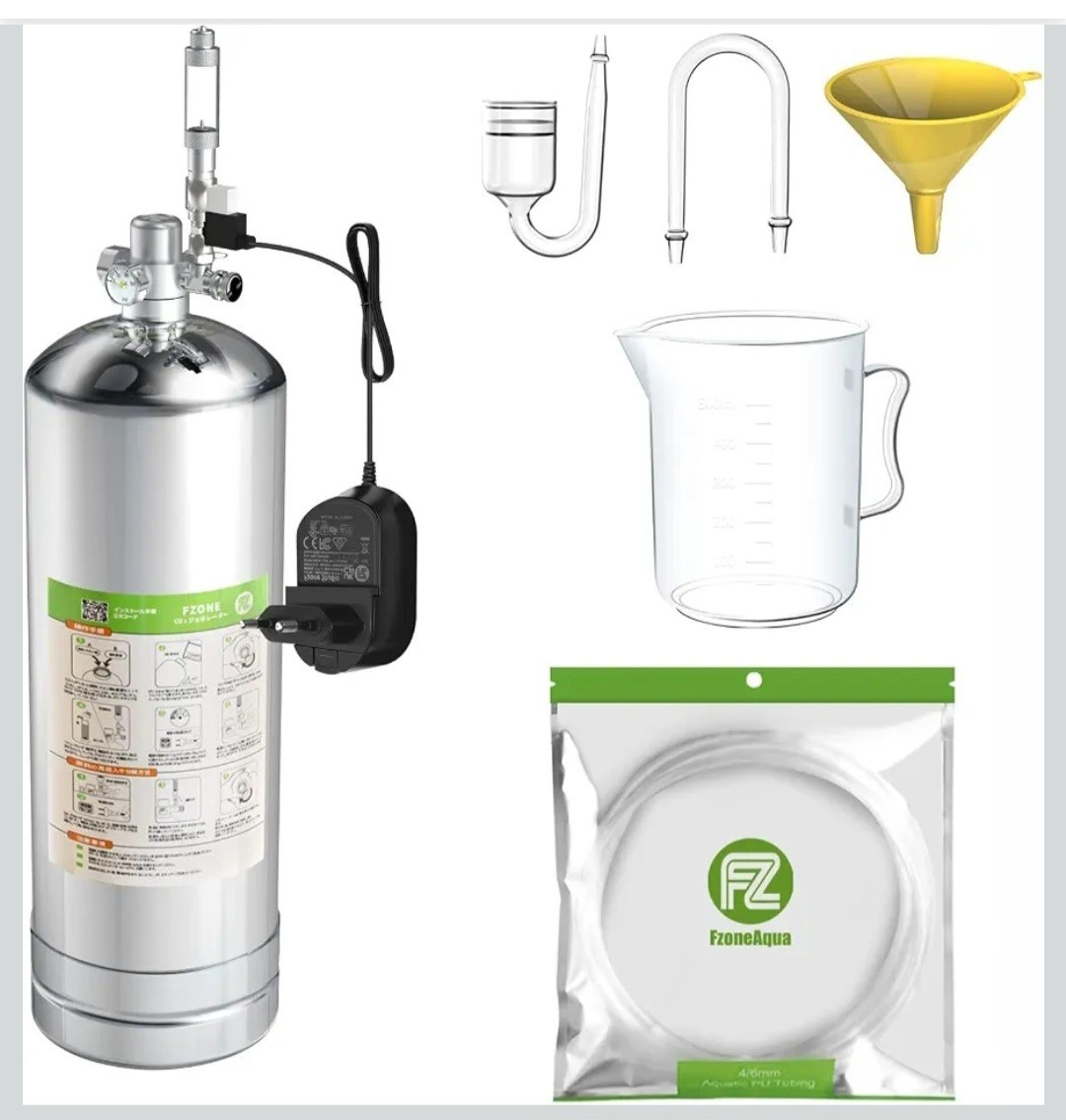 FZONE 5.5L Aquarium CO2 Generator System Carbon Dioxide Reactor Kit with Regu...$85.00View on eBay
Highlights
- Pressurized systems use a dual-gauge regulator (working pressure ~30-45 psi) with a solenoid valve on a timer; bio-generators produce under 15 psi and rely on manual needle-valve adjustment.
- Cylinder capacity is the runtime metric: a 2L reactor or 5.5L generator runs weeks per charge, while a standard 5 lb paintball/CO2 cylinder lasts months on a 20-40 gallon tank at 1-2 bubbles per second.
- Diffuser efficiency depends on ceramic pore size and placement — inline or under-filter flow dissolves more CO2 than a passive bell; bubble counters and check valves are mandatory to prevent backflow.
- Bio-kits need sugar, yeast, and warm water (22-28°C) to ferment; output drops as sugar depletes, so they suit low-demand plants rather than high-light carpets.
Best use cases
- Best fit pressurized: 40+ gallon high-light tanks with carpeting plants — pick a dual-gauge regulator plus solenoid kit on a 5 lb cylinder; skip 2L bio-reactors that cannot sustain 30 ppm.
- Best fit bio-generator: nano tanks under 20 gallons with anubias, ferns, or moss — choose a complete kit with gauge, diffuser, and check valve; skip it for tanks above 40 gallons or any CO2-demanding species.
- Best fit DIY/refillable reactor: budget-minded owners of 20-40 gallon tanks willing to mix sugar/yeast every 2-3 weeks — pick a 2L or 5.5L bottle kit with a purge valve; skip stainless steel reactors unless you want pressure durability over glass.
- Wrong fit: buying a diffuser or bubble counter alone does not create CO2 — a diffuser is only a delivery component and must be paired with a generator, cylinder, or regulator.
Buying tips
- Size the system to tank volume: bio-generators are rated to about 40 gallons per bottle, but plan on one 2L bottle per 20-30 gallons for moderate planting, and use pressurized above 40 gallons.
- Choose a regulator with a solenoid and needle valve for timed night shutoff — continuous CO2 without a solenoid wastes gas and stresses fish; bio-kits have no shutoff and run 24/7.
- Match diffuser to flow: ceramic disc diffusers need 1-3 bubbles per second and benefit from placement under the filter outlet; inline diffusers require canister filter plumbing and are not for hang-on-back filters.
- Verify thread and connection standards: most regulators use CGA-320 for standard CO2 cylinders, while paintball cylinders need a specific adapter; check valve and CO2-safe tubing (not silicone airline) prevent leaks.
Specs
| System Type | Pressurized cylinder vs bio-generator |
|---|---|
| Regulator | Dual-gauge + solenoid vs gauge only |
| Tank Rating | Up to 40 gal (bio) / 40+ gal (cylinder) |
| Diffuser Type | Ceramic disc / inline / passive bell |
Related searches
What to check before buying
- Measure tank volume and height: a 2L reactor kit fits beside or behind tanks up to 40 gallons, but tall tanks need diffuser placement at the bottom for contact time.
- Confirm cylinder availability: pressurized kits need a refillable CO2 cylinder (5 lb or paintball) and a local refill/exchange source; bio-kits need only sugar and yeast.
- Check electrical and timer setup: solenoid regulators need a nearby outlet and a standard timer; bio-kits are passive and need no power.
- Plan companion parts: a drop checker and 4 dKH reference solution are necessary to read CO2 ppm; a check valve is required on any DIY or bio line to stop tank water backflow.
FAQ
Data sources: eBay / Amazon listings and product attribute feeds. Updated Nov 25, 2026.
Some links on this page are affiliate links. If you buy after clicking one, we may earn a commission at no extra cost to you. This does not change which products appear here or their order. Affiliate disclosure.