
Photos from current listings. Actual item, color, and included accessories may vary.
CO2 Reactor Buying Guide
A CO2 reactor is an inline or in-tank device that dissolves pressurized or generated CO2 into aquarium water for planted-tank growth, and the core trade-off is dissolution efficiency versus system complexity: passive ceramic diffusers are cheap but waste gas, while powered reactors and generator kits demand correct pressure, flow, and sealing. Buy a reactor only when you run 2+ bubbles per second or a 2L+ generator and can match it to your filter's flow rate; otherwise a simple diffuser is the durable, low-risk choice.
Median $40.99
Key takeaways
- Passive ceramic/plastic diffusers dissolve roughly 50-70% of CO2 and release the rest as surface bubbles; powered reactors reach 90%+ by chopping gas into micro-bubbles under flow.
- 2L yeast-sugar generator kits produce low, variable pressure (under 1 bar) and suit nano tanks; 5.5L+ cylinder-based generator kits or pressurized 2-5 lb tanks hold steady 1-2 bar for larger tanks.
- Reactor body material separates durable units from compromises: cast acrylic and polycarbonate resist CO2 acidification and 2+ bar, while thin polystyrene and glued seams craze and leak within months.
At a glance
- Category
- Aquarium Lights & CO2 Systems
- Last updated
- Nov 25, 2026
Current offers
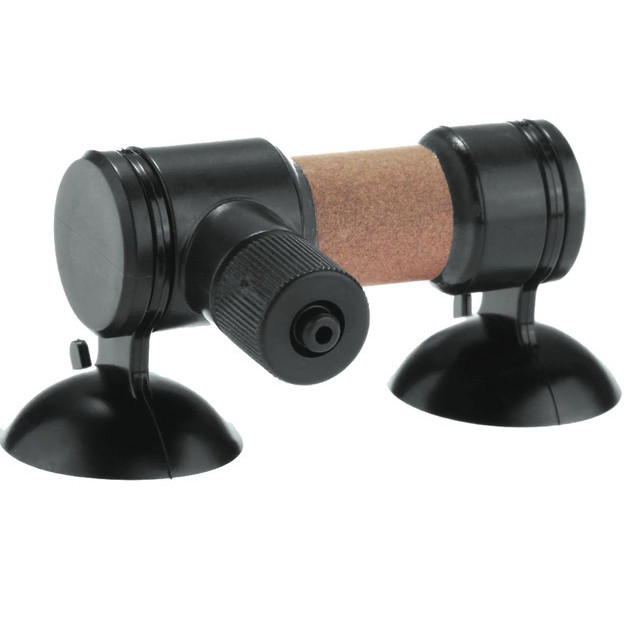 Super CO2 Carbon Dioxide Bubble Diffuser for Aquarium Grass Plant Tank$9.66View on eBay
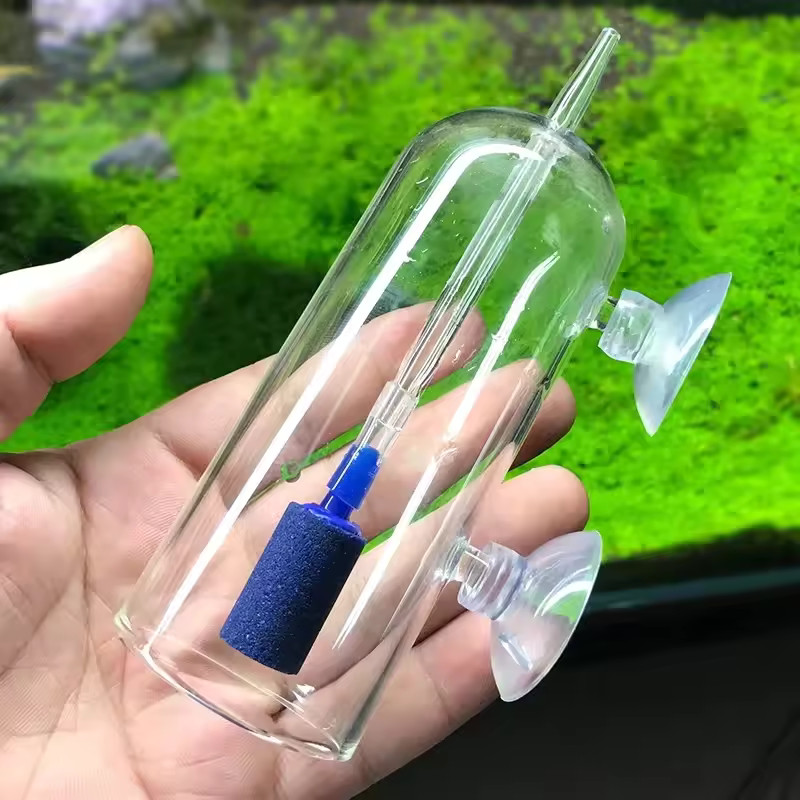 CO2 Diffuser Purge Aeration For Aquarium Tank$13.99View on eBay
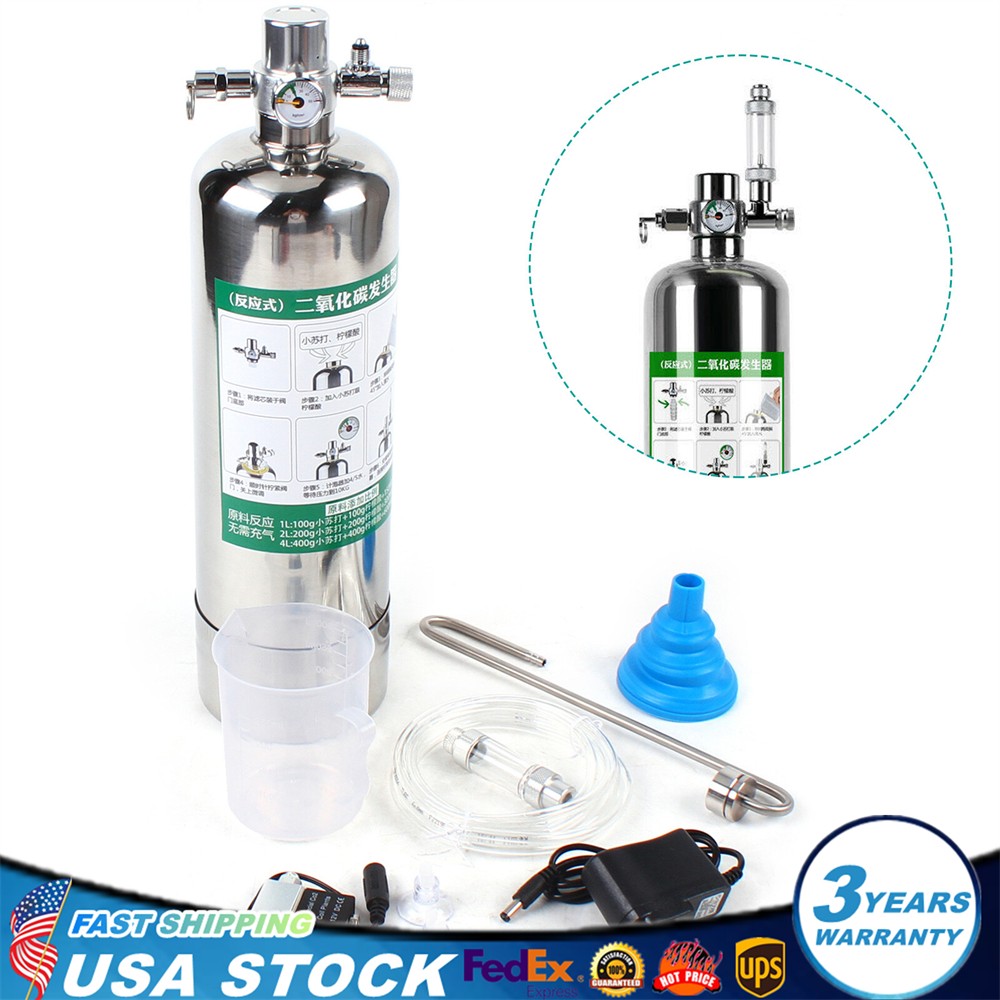 2L Aquarium Plants Cylinder CO2 Generator System Kit Carbon Dioxide Reactor$67.99View on eBay
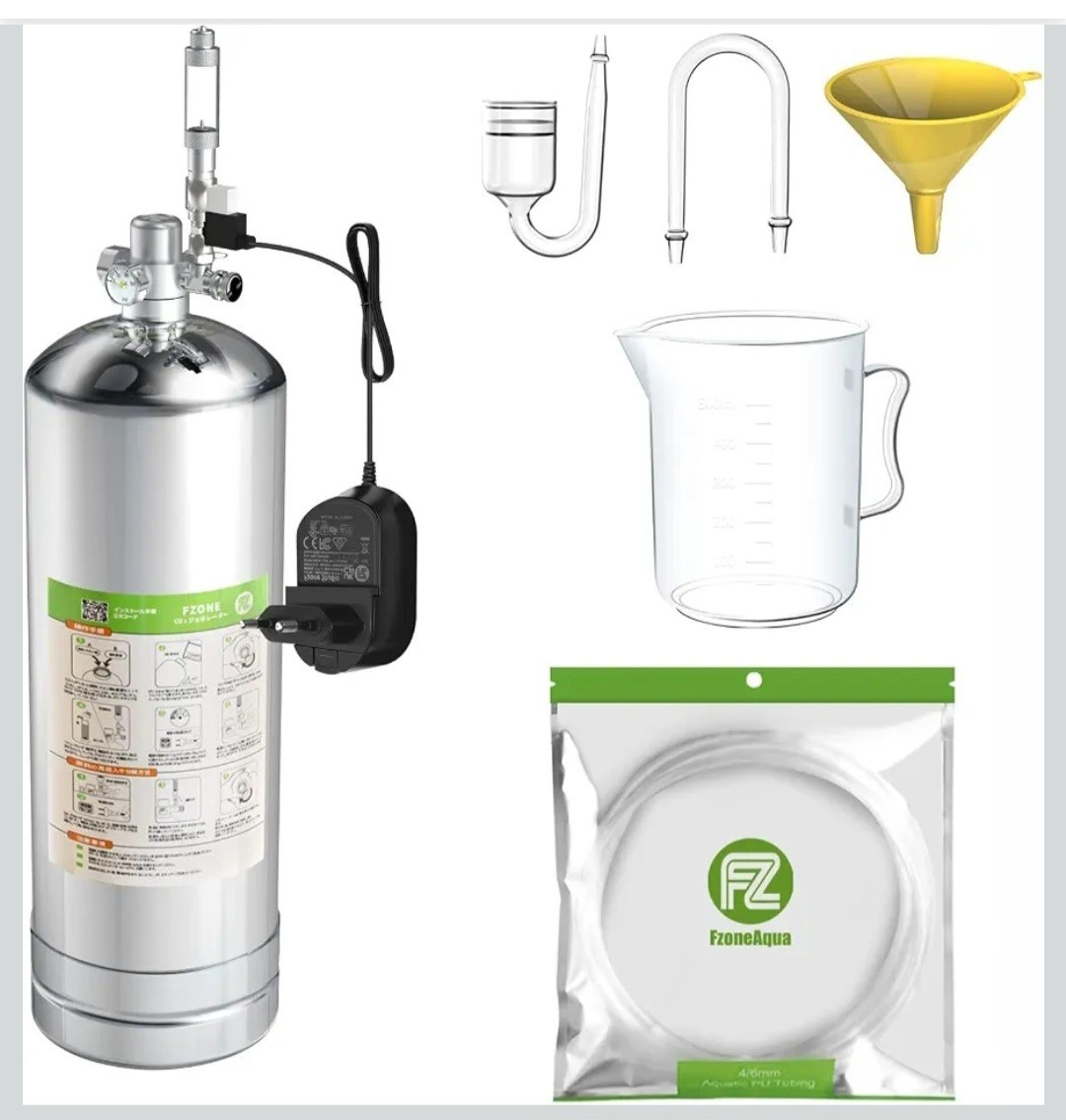 FZONE 5.5L Aquarium CO2 Generator System Carbon Dioxide Reactor Kit with Regu...$85.00View on eBay
Highlights
- Passive ceramic/plastic diffusers dissolve roughly 50-70% of CO2 and release the rest as surface bubbles; powered reactors reach 90%+ by chopping gas into micro-bubbles under flow.
- 2L yeast-sugar generator kits produce low, variable pressure (under 1 bar) and suit nano tanks; 5.5L+ cylinder-based generator kits or pressurized 2-5 lb tanks hold steady 1-2 bar for larger tanks.
- Reactor body material separates durable units from compromises: cast acrylic and polycarbonate resist CO2 acidification and 2+ bar, while thin polystyrene and glued seams craze and leak within months.
- Inline reactors require a canister filter rated at 150+ gph per 10 gallons of tank volume; below that flow, gas accumulates and the reactor burps large bubbles.
Best use cases
- Pick a 2L yeast-sugar generator kit for a 5-20 gallon nano tank with no pressurized tank access; skip it for tanks over 30 gallons where it cannot sustain 2+ bps.
- Pick a 5.5L+ cylinder-style generator or a pressurized-tank reactor for 30-75 gallon high-light tanks; skip ceramic diffusers there because wasted gas raises refill frequency and cost.
- Pick an inline powered reactor when you already run a canister filter at 150+ gph per 10 gallons; skip it on HOB or sponge-filter tanks where flow is too low to drive dissolution.
- Pick a simple in-tank ceramic diffuser for low-tech 10-20 gallon tanks at 1 bps or less; skip reactor kits entirely if you do not test CO2 or run lights above 6 hours daily.
Buying tips
- Match reactor type to CO2 source: yeast generators need low-pressure reactors and check valves; pressurized tanks need regulator-rated reactors and tubing that holds 2+ bar.
- Size the generator by tank volume: 2L kits serve up to ~20 gallons, 5.5L kits ~30-50 gallons, and 10L+ or pressurized tanks are required above 50 gallons for stable 30 ppm CO2.
- Verify tubing and fitting standard: 4/6 mm (3/16 in ID) is the common CO2 line; reactors with 8/12 mm or 12/16 mm fittings need matching hose and a reducer, not forced clamps.
- Choose cast acrylic or polycarbonate reactor bodies over thin polystyrene; check for solvent-welded seams and a threaded or compression lid rather than push-fit covers.
Specs
| Reactor Type | Passive diffuser / powered inline / generator kit |
|---|---|
| Dissolution Efficiency | Diffuser 50-70% / Reactor 90%+ |
| Tank Size Tier | 2L <=20 gal / 5.5L 30-50 gal / cylinder 50+ gal |
| Body Material | Cast acrylic & polycarbonate vs thin polystyrene |
Related searches
What to check before buying
- Measure tank volume and current filter flow in gph; inline reactors need roughly 150 gph per 10 gallons, so a 40-gallon tank needs 600 gph through the reactor.
- Confirm your CO2 source pressure and fitting type (yeast bottle, 2-5 lb paintball/cylinder, or 5.5L generator) and that the reactor is rated for it.
- Check cabinet and lid clearance: 2L generator kits stand 12-18 in tall, and inline reactors add 8-14 in of plumbing length behind the tank.
- Verify you have a drop checker or pH/KH test kit plus a solenoid or manual valve; a reactor without CO2 measurement or shutoff risks gassing fish overnight.
FAQ
Data sources: eBay / Amazon listings and product attribute feeds. Updated Nov 25, 2026.
Some links on this page are affiliate links. If you buy after clicking one, we may earn a commission at no extra cost to you. This does not change which products appear here or their order. Affiliate disclosure.