When choosing reptile substrate, decor & hides, the hard part is matching the bedding to the habitat-not simply picking the largest package. Coconut-chip bedding centers on humidity retention and tropical-style enclosures, while Zoo Med Reptisoil centers on bioactive terrariums and tropical environments. The ReptiChip name appears in two 72-quart entries at different prices, plus a separate coconut-chip block, so package format and intended setup deserve a close look. Here is the practical split for choosing among them.
Quick take
- For a bioactive terrarium: Zoo Med Reptisoil is the clearest fit, with coconut carbon, beneficial-bacteria support, and odor-reduction language.
- For coconut-chip bedding: The ReptiChip entries emphasize humidity retention, water expansion, and organic coco chips.
- For a three-pack format: The ReptiChip 3 Pack Breeder Bundle is the relevant choice.
- For a single block: The $61.35 ReptiChip entry and the separate $36.95 ReptiChip Coconut Chip Block both use a 1 Breeder Block format.
The listed prices span $19.99 to $173.49, creating a $153.50 spread between the Zoo Med entry and the three-pack ReptiChip entry. That makes the package format and habitat purpose more useful decision points than price alone.
Listed-price comparison
| Product | Listed price | Price display | Package or format |
|---|---|---|---|
| ReptiChip 72 Quart Bedding - 3 Pack Breeder Bundle | $173.49 | 3 Pack Breeder Bundle | |
| ReptiChip 72 Quart Bedding - 1 Breeder Block | $61.35 | 1 Breeder Block | |
| ReptiChip Coconut Chip Block | $36.95 | 1 Breeder Block | |
| Zoo Med Reptisoil | $19.99 | 10 qt, black soil |
Decision matrix
- Bioactive terrarium: Choose Zoo Med Reptisoil for its bioactive-environment focus, coconut carbon, porous surface, and beneficial-bacteria support.
- Tropical-style habitat using coconut chips: Choose either 72-quart ReptiChip entry when humidity retention and water expansion are central to the setup. Use the package cue to distinguish the single breeder block from the three-pack bundle.
- Snake or lizard bedding: The ReptiChip Coconut Chip Block for Snake and Lizard Bedding has the most direct animal wording for this use case, while its product description also names iguana, tortoise, and frog environments.
- A multi-pack project: The ReptiChip 3 Pack Breeder Bundle is the one with the three-pack format, making it the relevant choice when that packaging arrangement is wanted.
Product notes
ReptiChip Reptile Substrate Coconut Chip Bedding 72 Quart Compressed Organic - 3 Pack Breeder Bundle
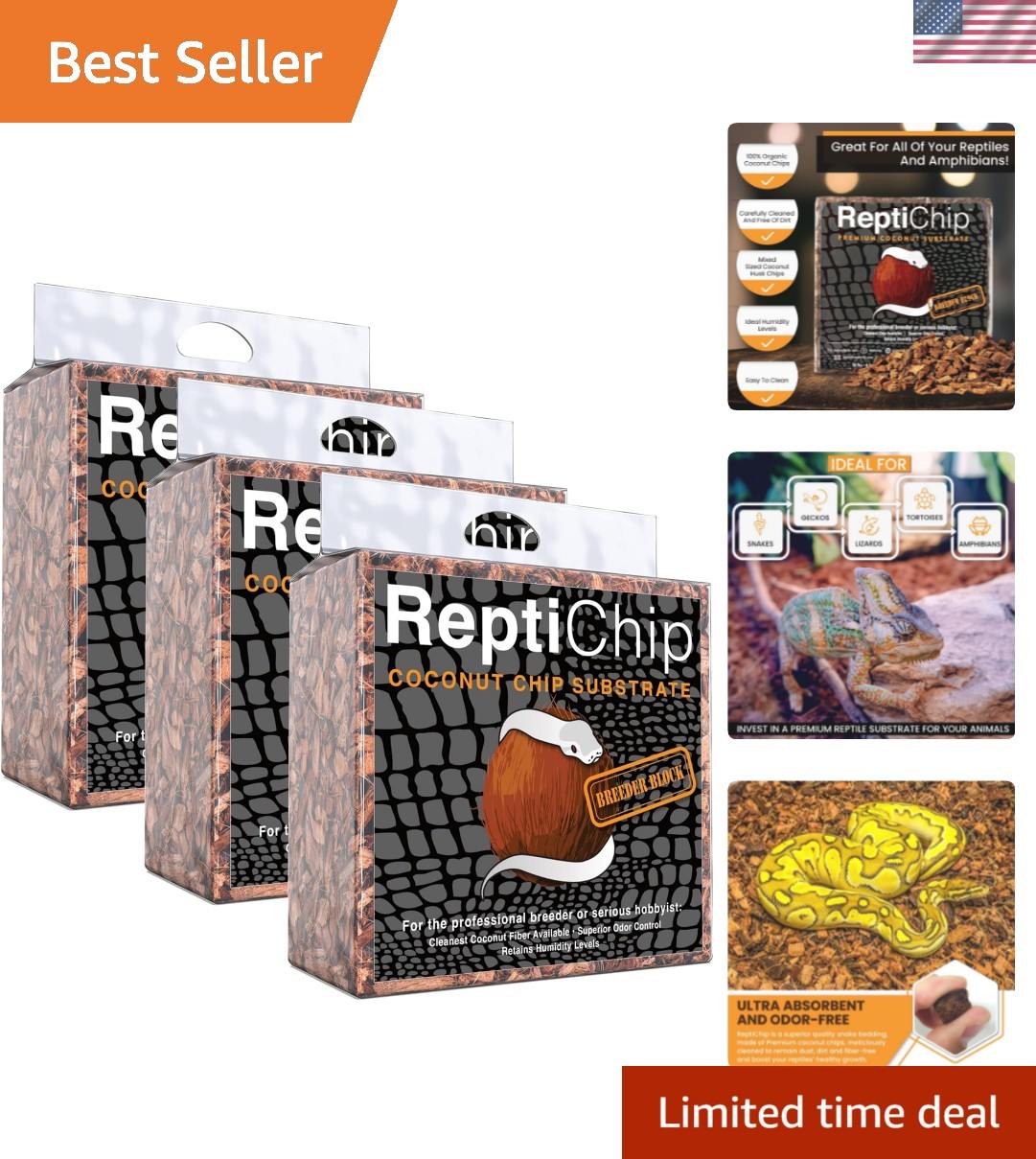
This ReptiChip entry uses a 3 Pack Breeder Bundle format and centers on 72-quart compressed coconut-chip bedding. It is framed for snake habitats, ball python terrariums, turtle tanks, and tortoise enclosures. Humidity retention, water expansion, odor absorption, and organic coco chips define its use case, making it a sensible direction for a project built around coconut-chip bedding and tropical-style humidity. The concrete limitation is the multi-pack format paired with the $173.49 price: it asks for the largest outlay here and may not suit someone who wants a single breeder block. Its distinguishing advantage is packaging, not a different substrate type.
ReptiChip Reptile Substrate Coconut Chip Bedding 72 Quart Compressed Organic - 1 Breeder Block
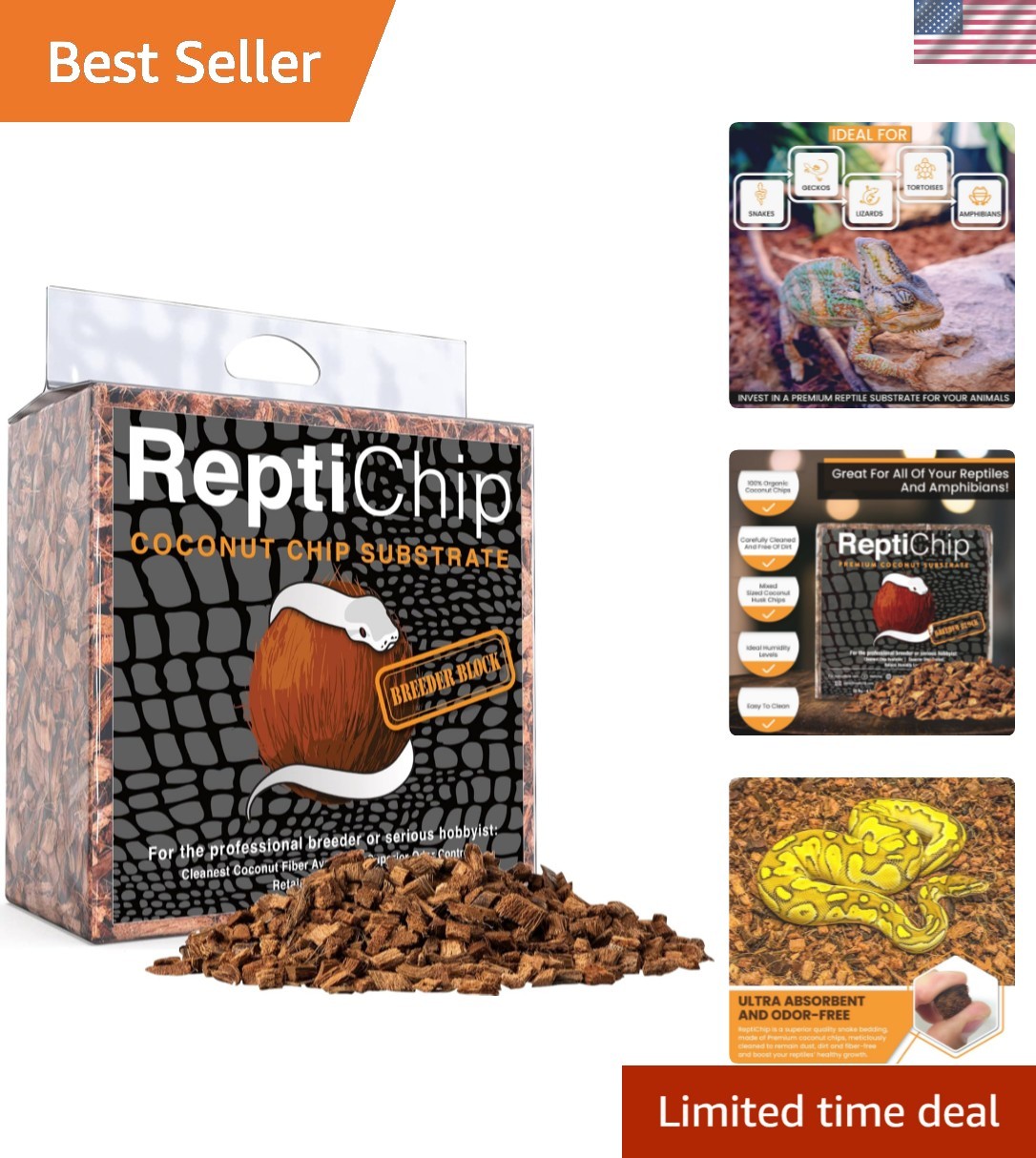
The $61.35 ReptiChip entry keeps the 72-quart compressed coconut-chip wording but uses a 1 Breeder Block format. It combines humidity retention, odor absorption, and expansion after water is added, with habitat references including ball pythons, leopard geckos, bearded dragons, pythons, and turtles. That combination makes it a straightforward pick when coconut-chip bedding is the intended direction and a single-block package is preferable to a three-pack format. Its limitation is the single-block configuration: compared with the matching three-pack entry, it is less aligned with a project specifically calling for a multi-pack arrangement.
ReptiChip Reptile Substrate Coconut Chip Block for Snake and Lizard Bedding
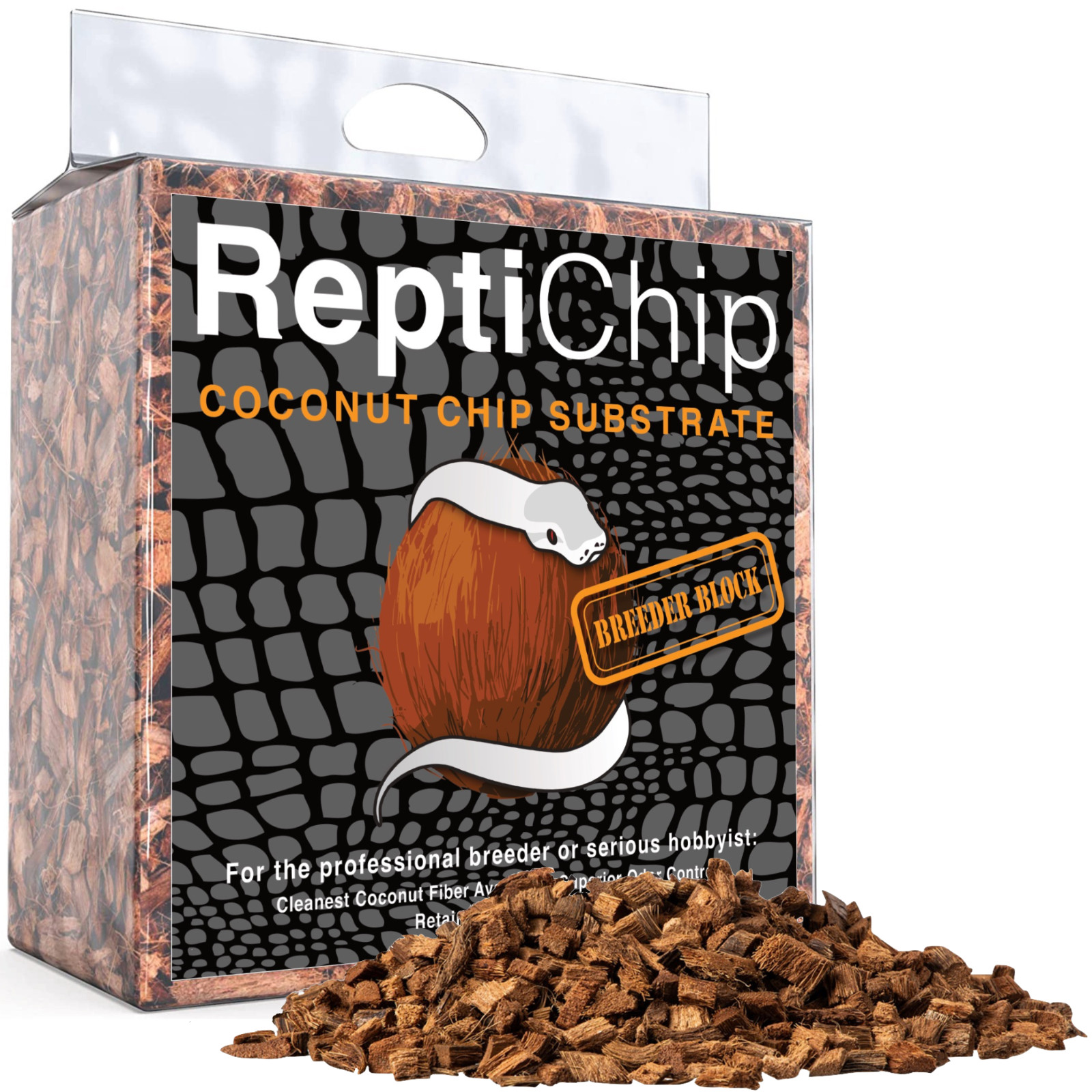
At $36.95, this ReptiChip block is a direct title match for shoppers seeking snake or lizard bedding. The organic, filler-free substrate retains humidity and can be refreshed with a sprayer bottle of water; its habitat language also includes snake, iguana, tortoise, frog, and lizard environments. Those details give it a clear role in tropical-type habitat projects where coconut-chip bedding is the intended direction. The limitation is its stated 1 Breeder Block size, so it does not present the three-pack format attached to the $173.49 ReptiChip entry. Its strength is focused animal wording rather than a broader package configuration.
Zoo Med Reptisoil | 10 qt | Bioactive Terrarium Substrate | Black
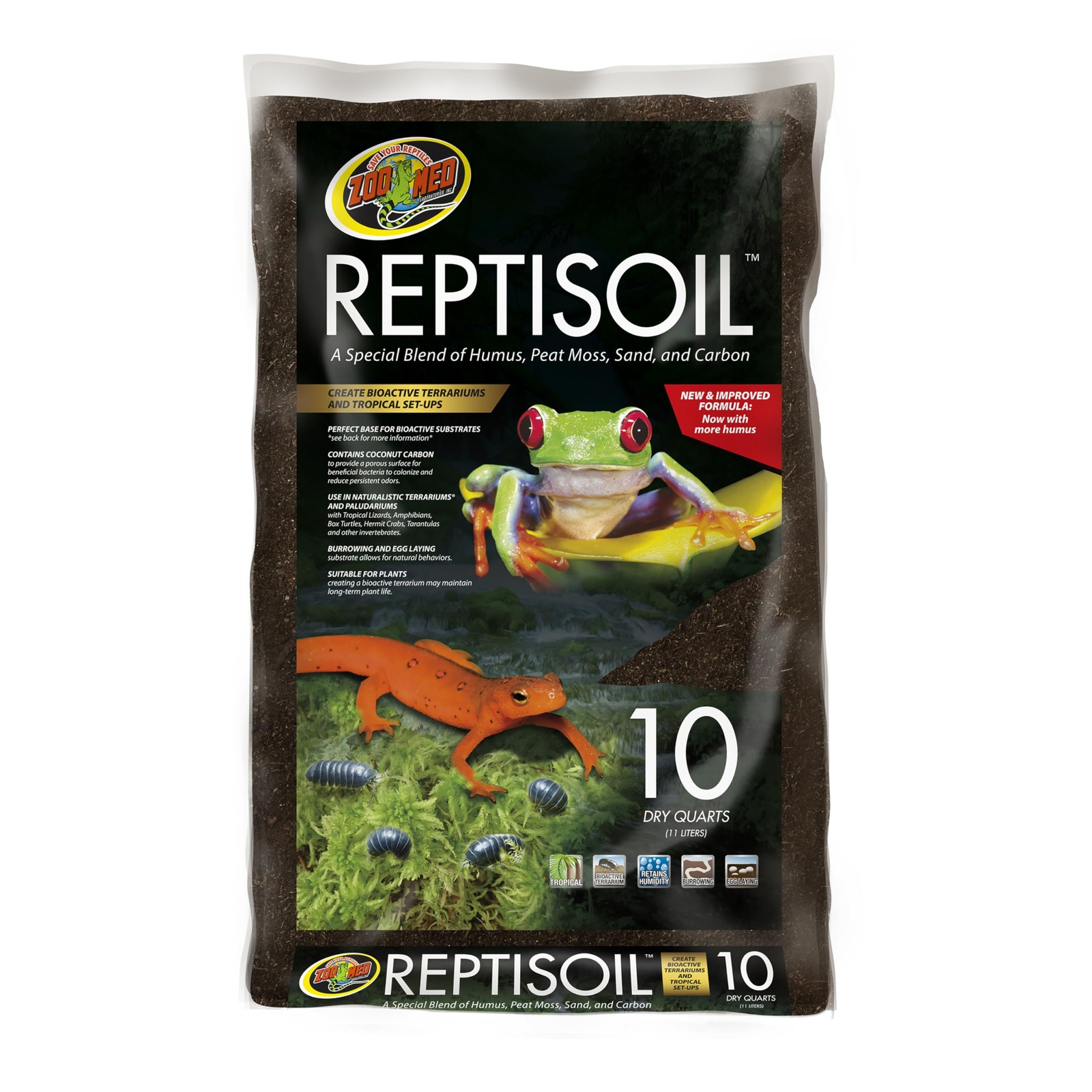
At $19.99, Zoo Med Reptisoil centers on a bioactive terrarium rather than a coconut-chip block. Coconut carbon provides a porous surface that supports beneficial bacteria and helps reduce persistent odors. The product is also framed for tropical species including lizards, amphibians, and invertebrates, making its bioactive wording useful for narrowing the choice. The limitation is the listed 10-quart black soil format: it points to a soil-blend approach rather than the coconut-chip direction used by the three ReptiChip entries. Choose it when the habitat plan specifically calls for bioactive soil and its associated substrate features.
Final recommendation by use case
For a bioactive terrarium, choose Zoo Med Reptisoil because its product language directly connects the substrate with bioactive environments, coconut carbon, and beneficial-bacteria support. For coconut-chip bedding in a tropical-style habitat, choose between the ReptiChip 1 Breeder Block entries and the 3 Pack Breeder Bundle according to the package format you want. For a snake-or-lizard-focused bedding choice, the ReptiChip Coconut Chip Block title is the clearest match. The overall decision is therefore straightforward: select Reptisoil for the bioactive soil direction, or choose the ReptiChip format that matches the intended coconut-chip project.