
Photos from current listings. Actual item, color, and included accessories may vary.
Puppy Crate Buying Guide
Puppy crates solve two jobs at once—potty training confinement and safe downtime—so size and door layout matter more than color or brand. Buying too large defeats house training, while flimsy wire or untreated fabric fails teething puppies within weeks.
Crate Type:Wire / Plastic / Fabric / FurnitureSizing Basis:Adult height + 2-4 inDivider Included:Yes for growing puppiesWire Gauge:Welded steel, chew-resistant
Typical price range$73.99 – $209.99
Median $79.99
Key takeaways
- A crate should let the puppy stand, turn around, and lie flat, but not have room to soil one corner and sleep in another.
- Wire crates with a divider let you shrink the space during house training and expand it as the puppy grows.
- Fabric and soft-sided crates suit calm, non-chewing puppies; plastic and metal resist teething and are easier to disinfect.
At a glance
- Category
- Pet Crates, Kennels & Playpens
- Last updated
- Nov 28, 2026
Current offers
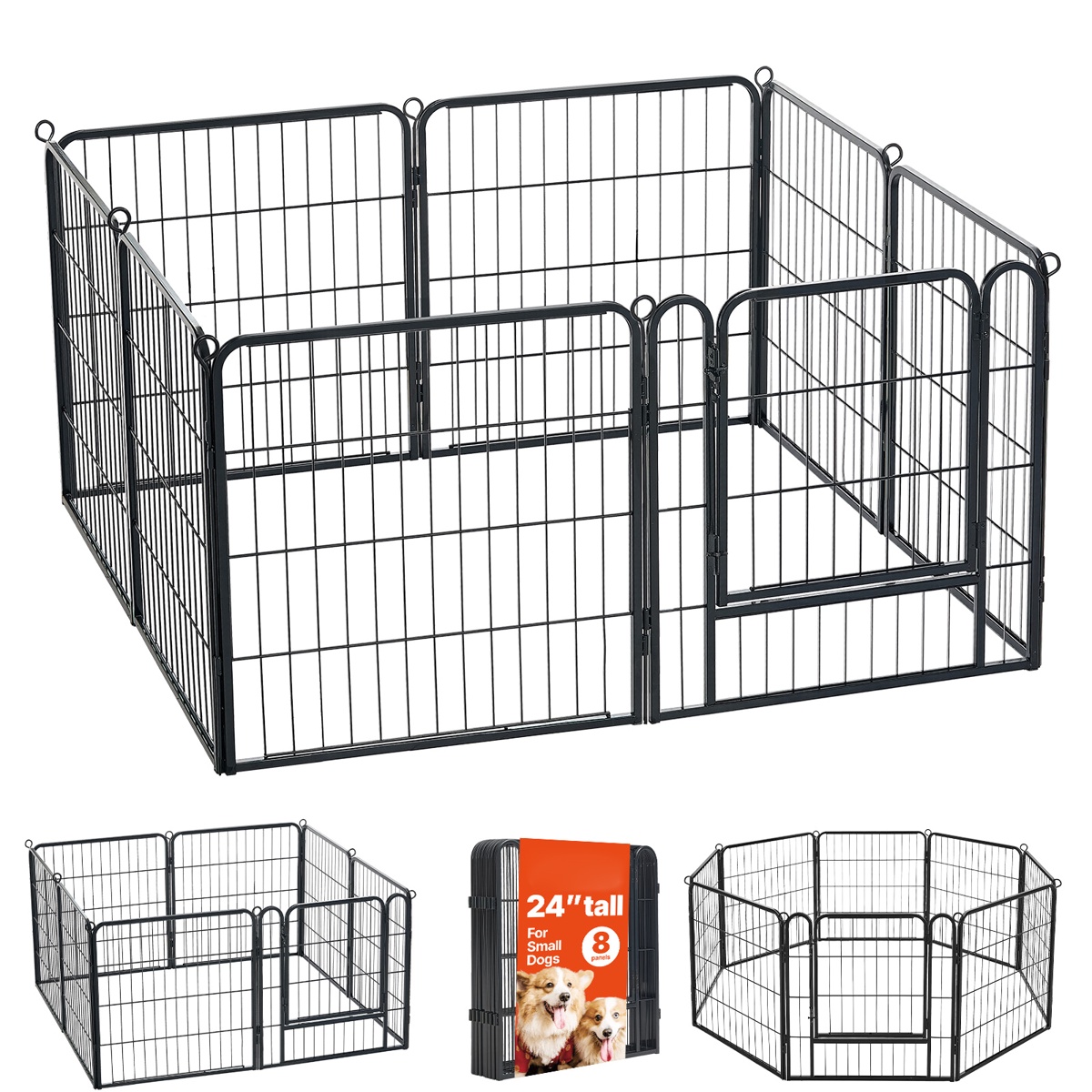 Dog Playpen 24 Inch 8 Panels Foldable Metal Exercise Pen Pet Fence, Indoor/Outdoor Heavy Duty Puppy Crate Kennel With Door For Dogs, Cats Or Small Animals, Portable For RV Camping, Yard, Black$73.99View on Mallflare
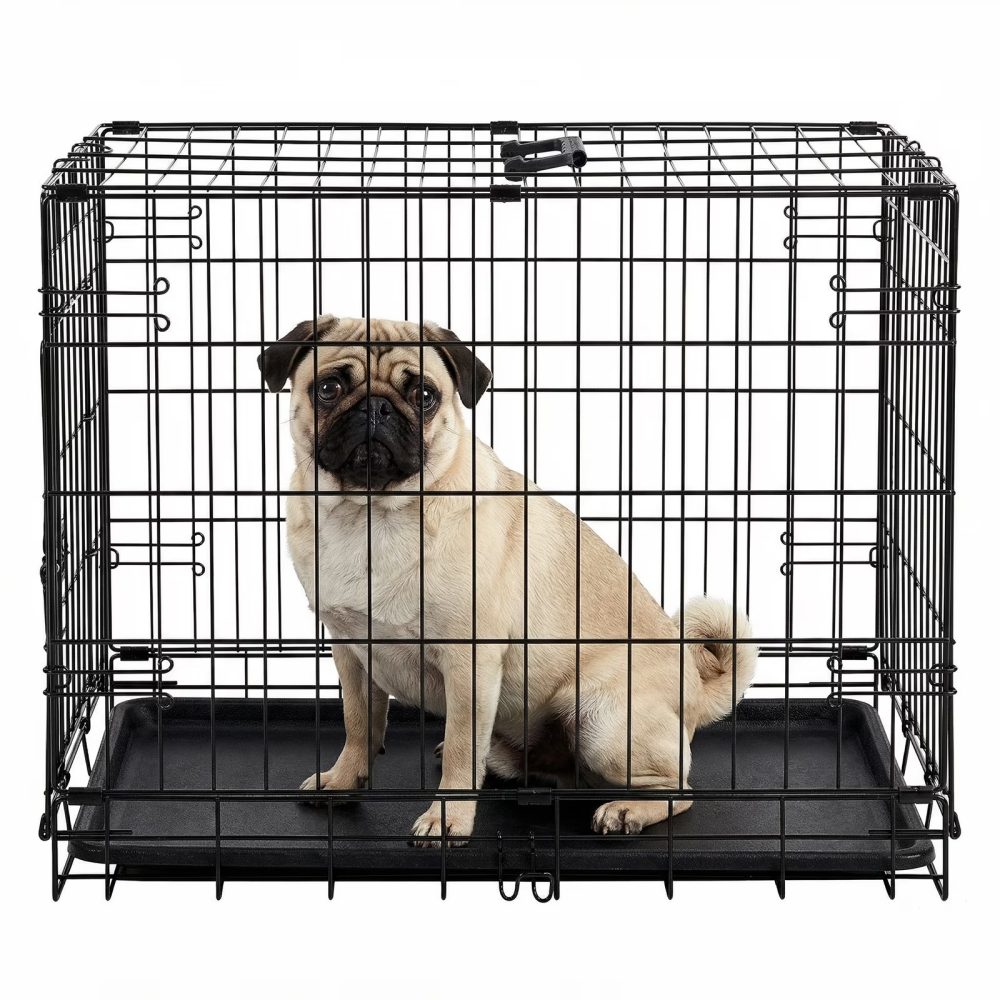 24/30 Inch Dog Crate, Black - Durable Metal Puppy Cage with Removable Tray, Collapsible Kennel for Small Medium Dogs, Easy Clean$79.99View on Mallflare
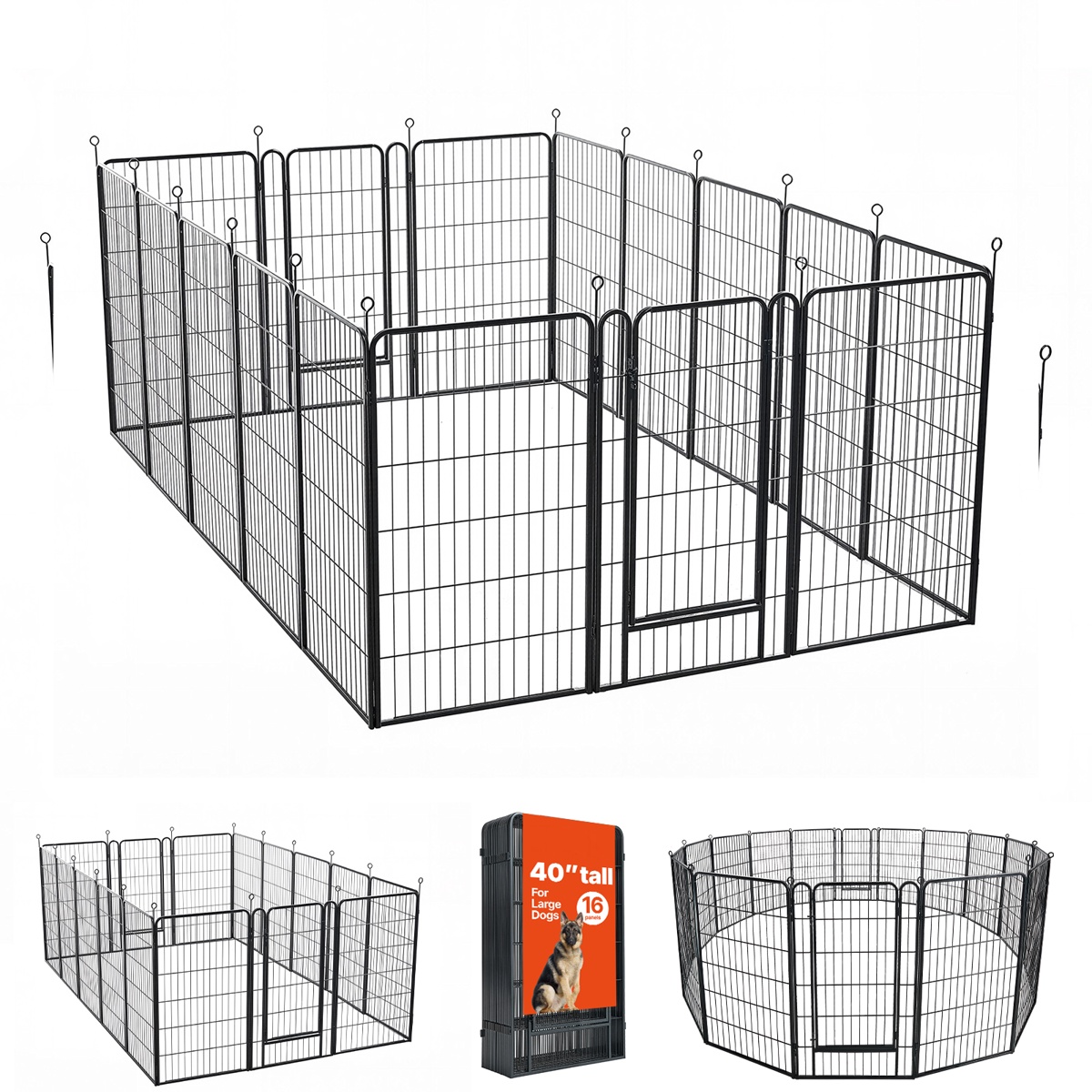 Dog Playpen 40 Inch 16 Panels Foldable Metal Exercise Pen Pet Fence, Indoor/Outdoor Heavy Duty Puppy Crate Kennel With Door For Large/Small Dogs And Cats, Portable For RV Camping, Yard, Black$209.99View on Mallflare
Highlights
- A crate should let the puppy stand, turn around, and lie flat, but not have room to soil one corner and sleep in another.
- Wire crates with a divider let you shrink the space during house training and expand it as the puppy grows.
- Fabric and soft-sided crates suit calm, non-chewing puppies; plastic and metal resist teething and are easier to disinfect.
- Exercise pens with 8 panels give a larger play area, but a puppy still needs a smaller sleep crate inside for training.
Best use cases
- Choose a wire crate with divider for a young puppy in active potty training—it is the only style that adjusts size as the dog grows.
- Choose a plastic or metal kennel for a determined chewer or escape artist; fabric and thin wire will not hold up.
- Skip the large exercise pen as the only sleeping space for a very young puppy—use a small crate inside the pen for overnight confinement.
- Choose a furniture-style wooden crate only for a calm, trained puppy, since urine and chewing damage wood quickly.
Buying tips
- Size by adult height and length, not current puppy size; a crate that is too large from day one slows house training.
- Choose a divider panel for any puppy expected to grow significantly, so the usable space can shrink then expand.
- Prioritize welded wire and secure latches for chewers; thin gauge wire and plastic clips fail under a determined puppy.
- Compare door count and placement—a front and side door crate fits better in corners and against walls in small rooms.
Specs
| Crate Type | Wire / Plastic / Fabric / Furniture |
|---|---|
| Sizing Basis | Adult height + 2-4 in |
| Divider Included | Yes for growing puppies |
| Wire Gauge | Welded steel, chew-resistant |
What to check before buying
- Measure your puppy's adult height and length, then add 2-4 inches to both for standing and turning room.
- Measure your floor space and doorway widths before choosing an exercise pen or furniture crate.
- Check latch security and wire gauge if your puppy is a known chewer or escape artist.
- Plan a crate pad or bed that fits inside with the divider installed, not just the full crate size.
FAQ
Data sources: eBay / Amazon listings and product attribute feeds. Updated Nov 28, 2026.
Some links on this page are affiliate links. If you buy after clicking one, we may earn a commission at no extra cost to you. This does not change which products appear here or their order. Affiliate disclosure.