
Photos from current listings. Actual item, color, and included accessories may vary.
Pet Cage Buying Guide
Pet cages span wire training crates, wooden furniture-style kennels, and small-animal enclosures, and the primary trade-off is between escape-proof durability and footprint/decor. Buy wire or furniture crates for dogs when you need containment and house-training; buy bar-spacing and chew-proof construction for small animals. The decision rule: match crate length to the pet's nose-to-tail length plus 2–4 inches and bar spacing to species head width, or you'll get escapes and anxiety.
Median $148.99
Key takeaways
- Wire dog crates typically use 8–12 gauge welded steel; 12-gauge is lighter and fine for calm dogs, 8–10 gauge resists bending from anxious or large breeds.
- Furniture-style wooden crates combine a wood frame with a metal inner cage; door latches must be two-point or they fail under pawing.
- Small-animal cages need bar spacing at or below 0.4 in for hamsters and mice, 0.5–0.6 in for guinea pigs, and 0.75–1 in for rabbits.
At a glance
- Category
- Pet Crates, Kennels & Playpens
- Last updated
- Nov 28, 2026
Current offers
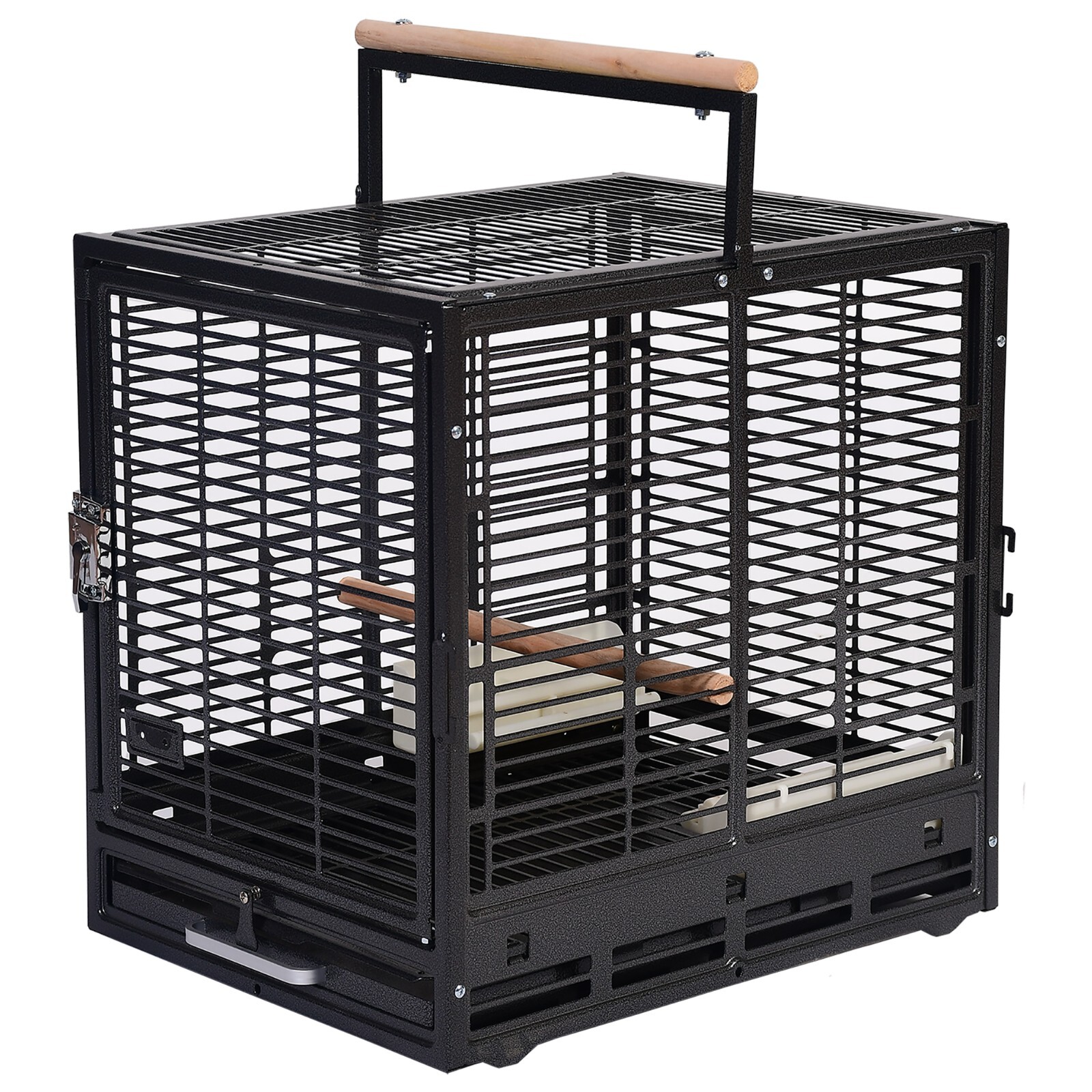 Zoopro Pet Travel Cage - Small Animal and birds$99.99View on eBay
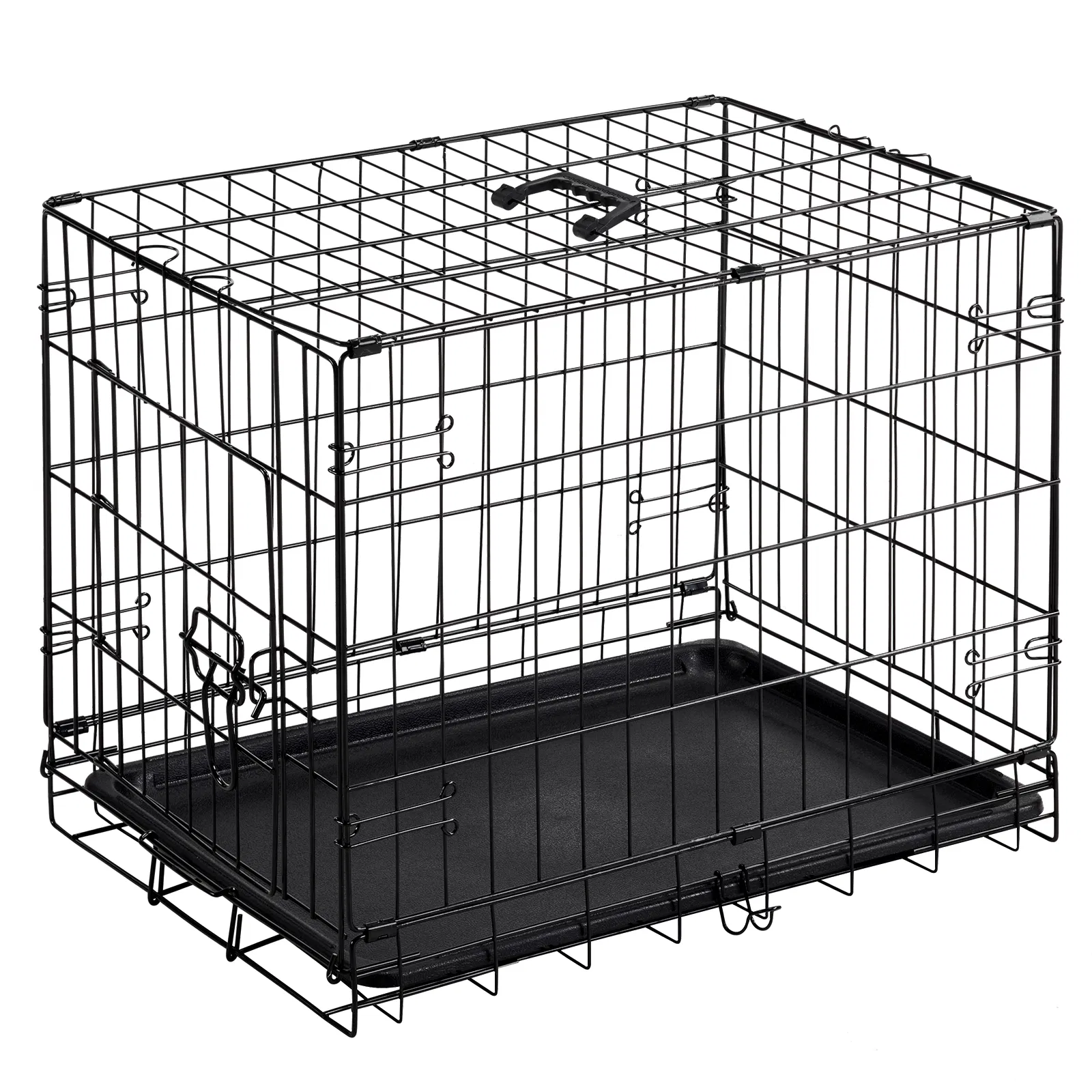 24 inch Single door Dog Cage - durable metal pet kennel, secure lock, collapsible design, removable tray for easy cleaning, portable puppy$45.99View on Mallflare
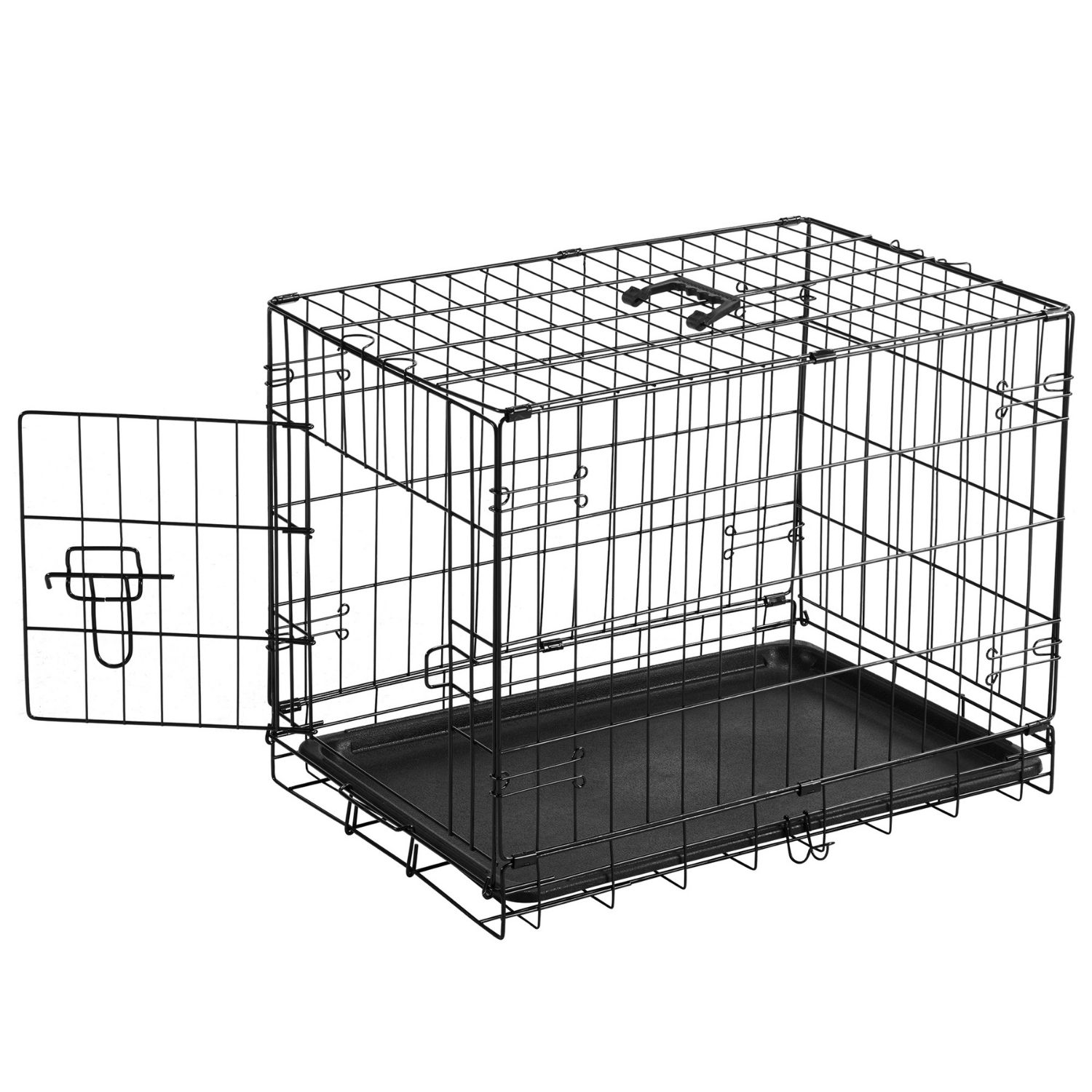 Single Door Dog Cage - Durable Metal Pet Kennel, Secure Lock, Collapsible Design, Removable Tray For Easy Cleaning, Portable Puppy$51.99View on Mallflare
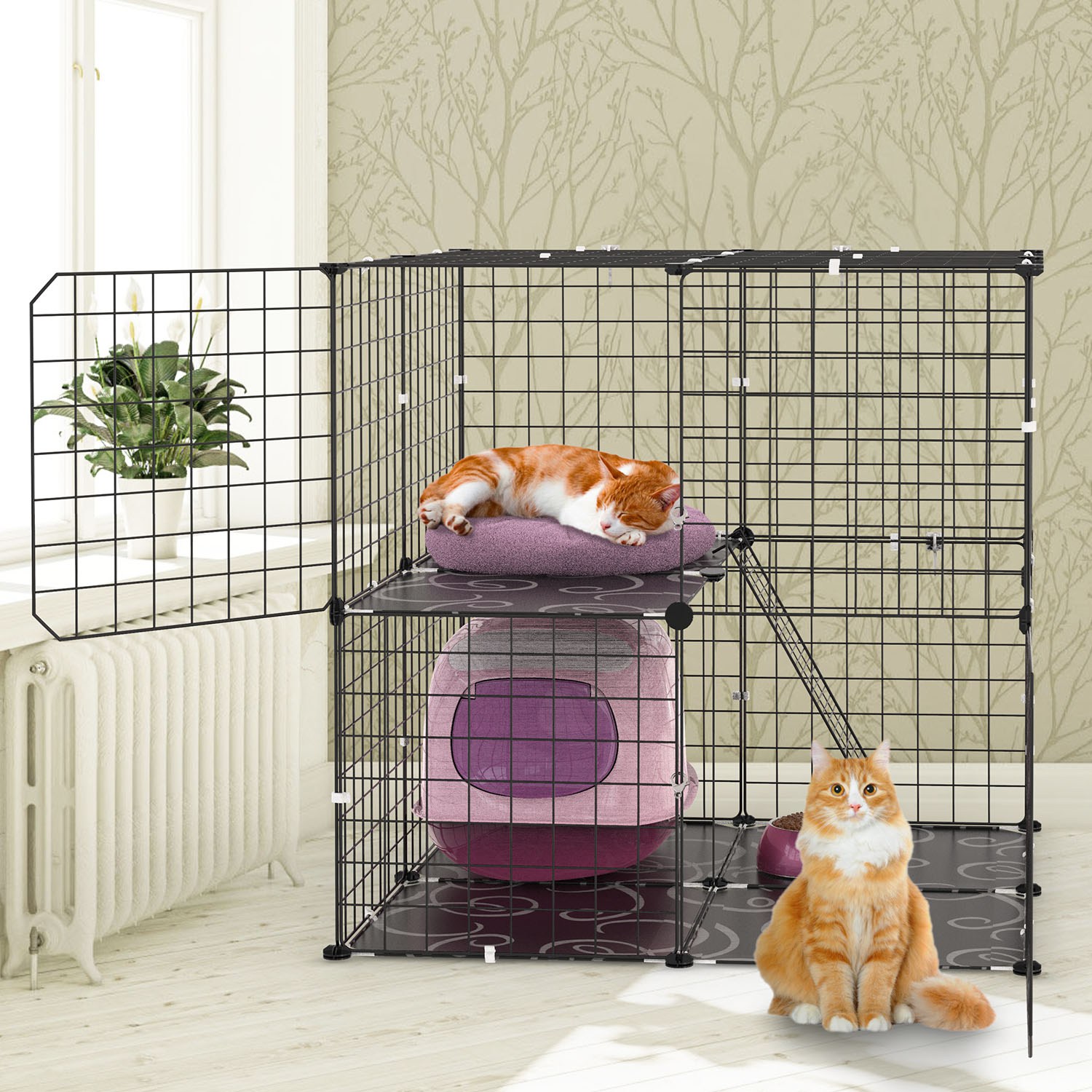 1Pc 2Tier Cat Cage Playpen Indoor Pet Enclosures Kitten Kennel House Detachable Cat Crate With Climbing Ladder 2 Doors For 1 To 2 Cats For Ferret Squirrel Small Animals$66.99View on Mallflare
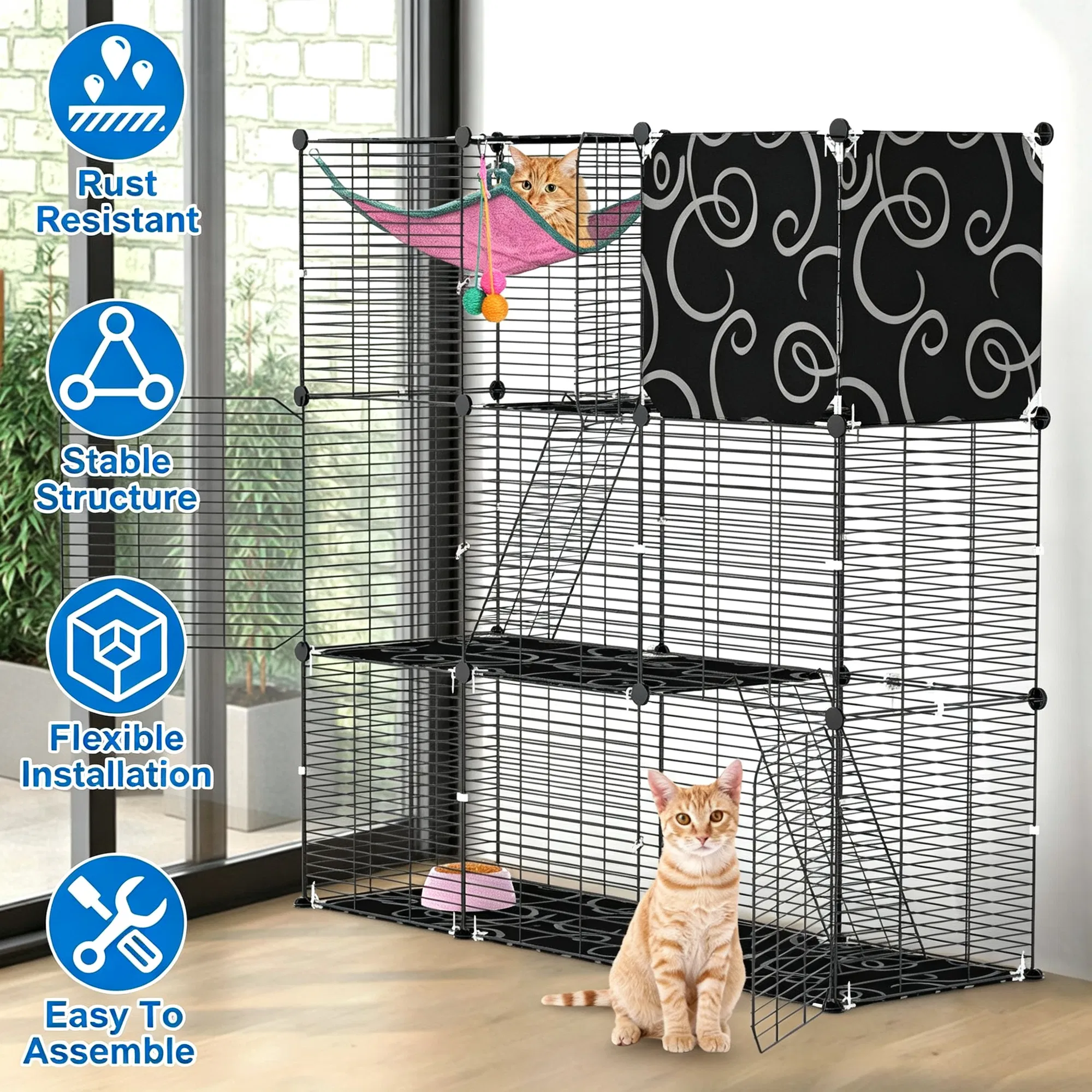 3-Level Metal Cat Cage Enclosure, Modular Pet Habitat with 3 Doors, 2 Ladders, Plush Hammock and Toy Ball for Small Indoor Animals$104.99View on Mallflare
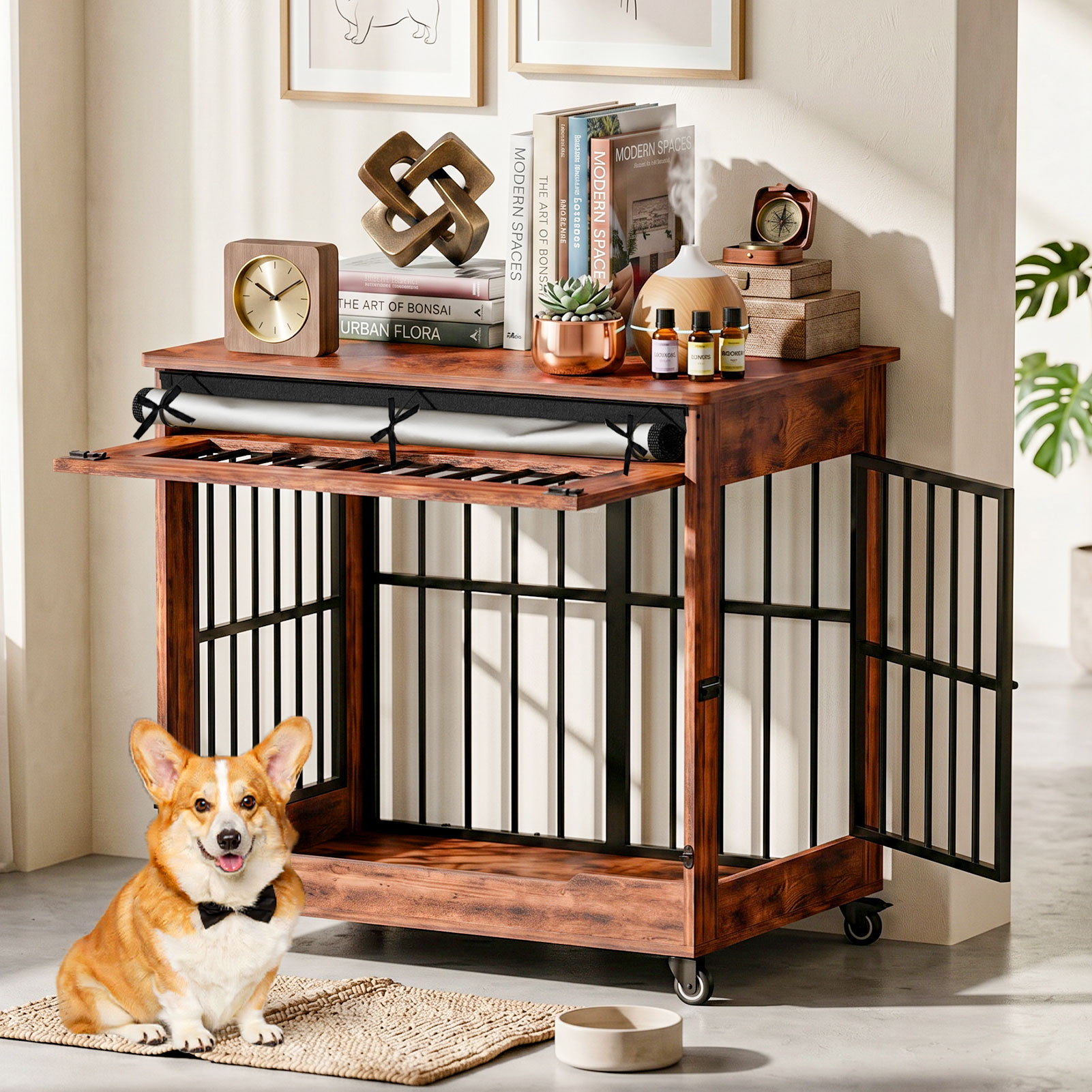 32in Dog Crate Furniture, Double Door Wooden Indoor Dog Kennel Decorative Pet Cage End Table With Wheels For Medium And Small Breed Dogs, Size M, Greige$104.99View on Mallflare
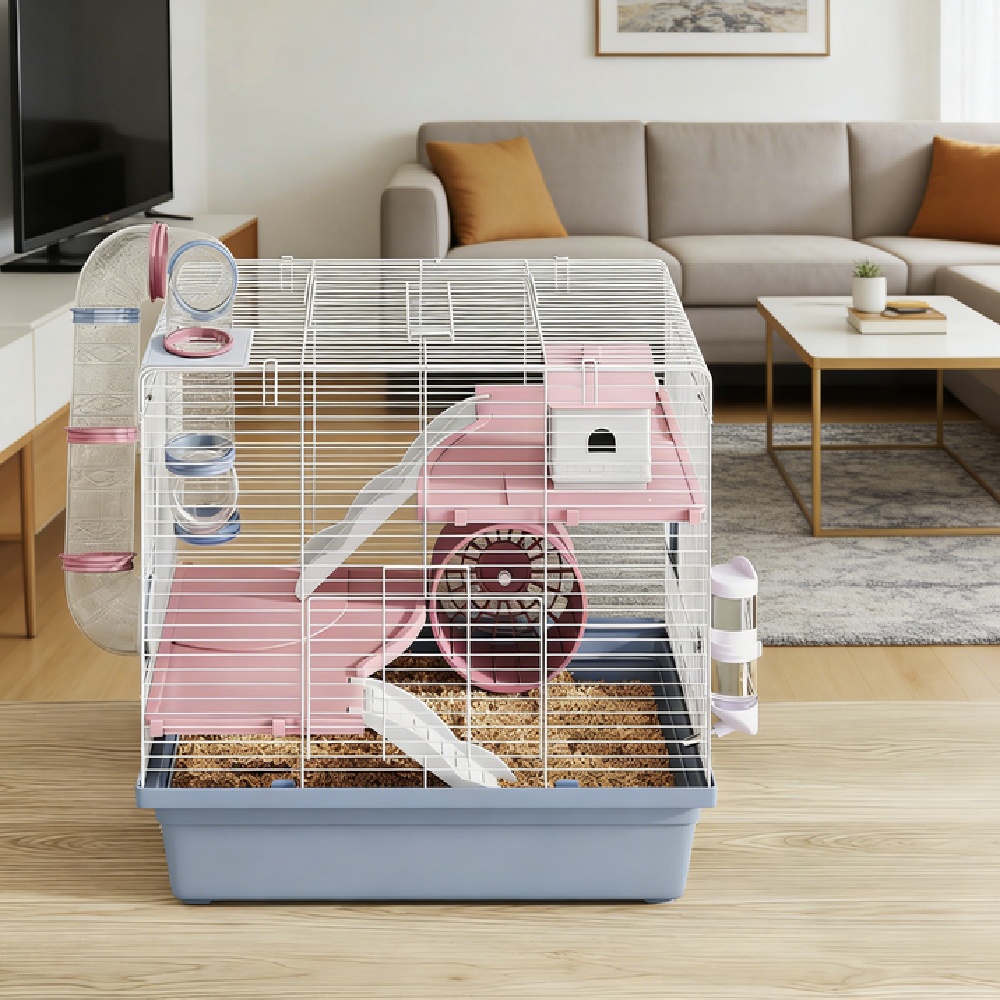 Hamster Cage/Pet Cage$105.99View on Mallflare
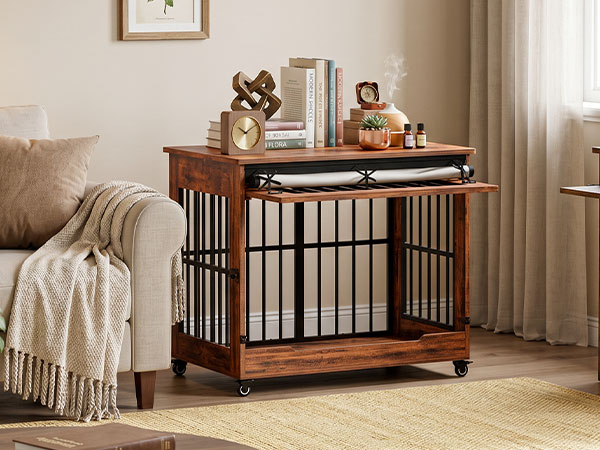 38in Dog Crate Furniture, Double Door Wooden Indoor Dog Kennel Decorative Pet Cage End Table With Wheels For Large And Medium Breed Dogs, Size L, Greige$112.99View on Mallflare
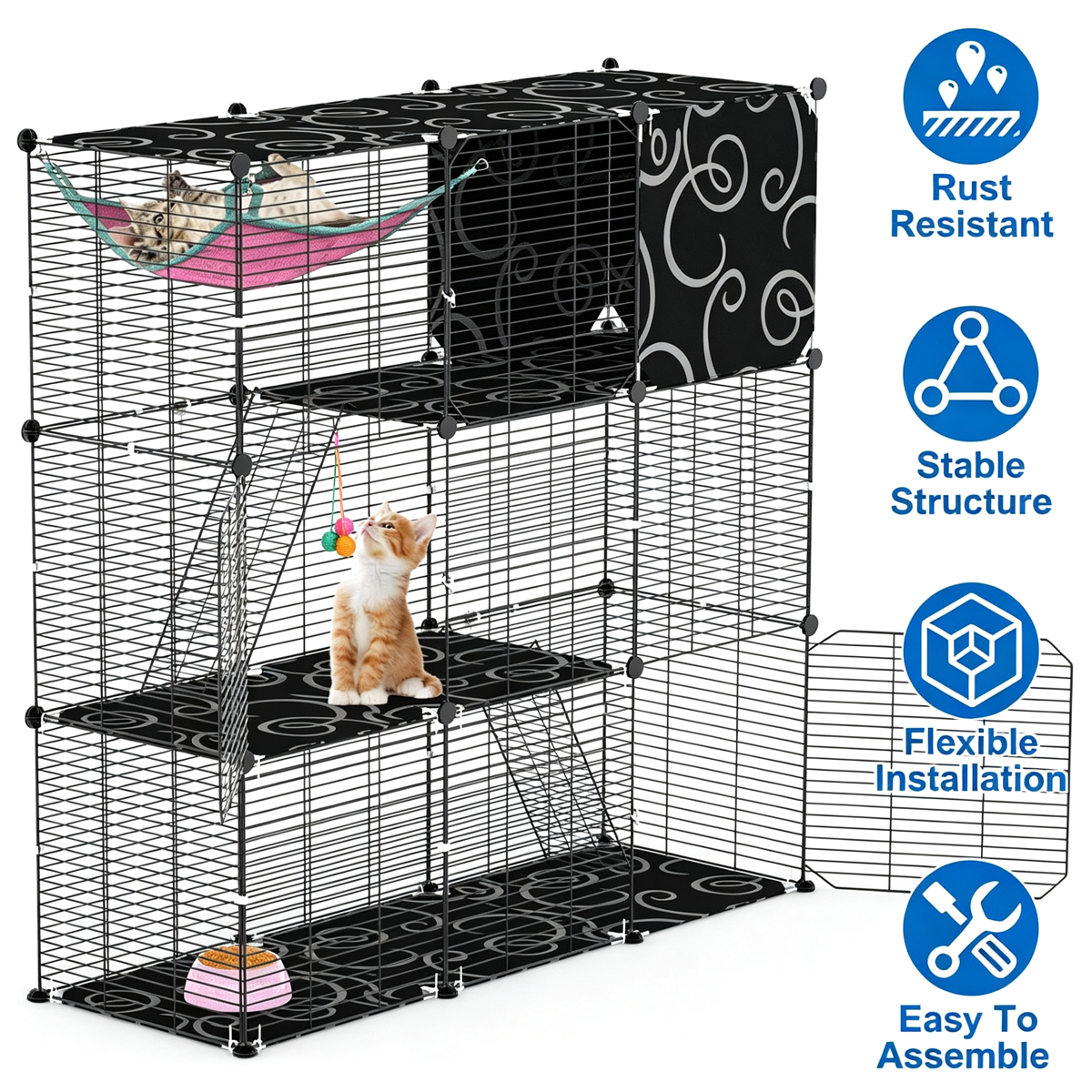 3‑Tier Wire Cat Playpen Cage, Modular Pet House with Hammock, Toy Ball, 3 Doors & 2 Ladders, for Indoor Cats, Rabbits, Chinchillas & Guinea Pigs$124.99View on Mallflare
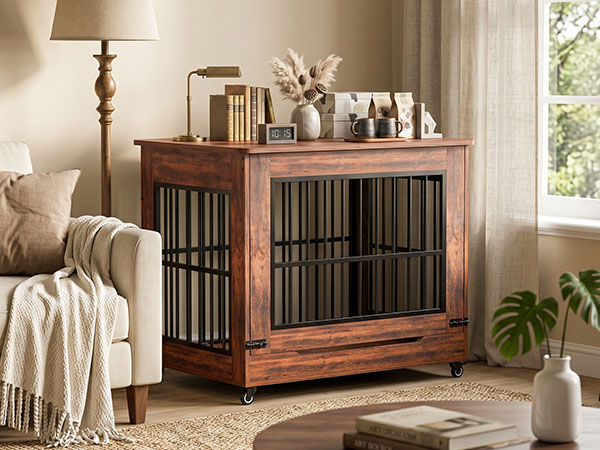 42in Large Dog Crate Furniture, Double Door Wooden Indoor Dog Kennel Decorative Pet Cage End Table With Wheels For Breed Dogs, Size XL, Greige$127.99View on Mallflare
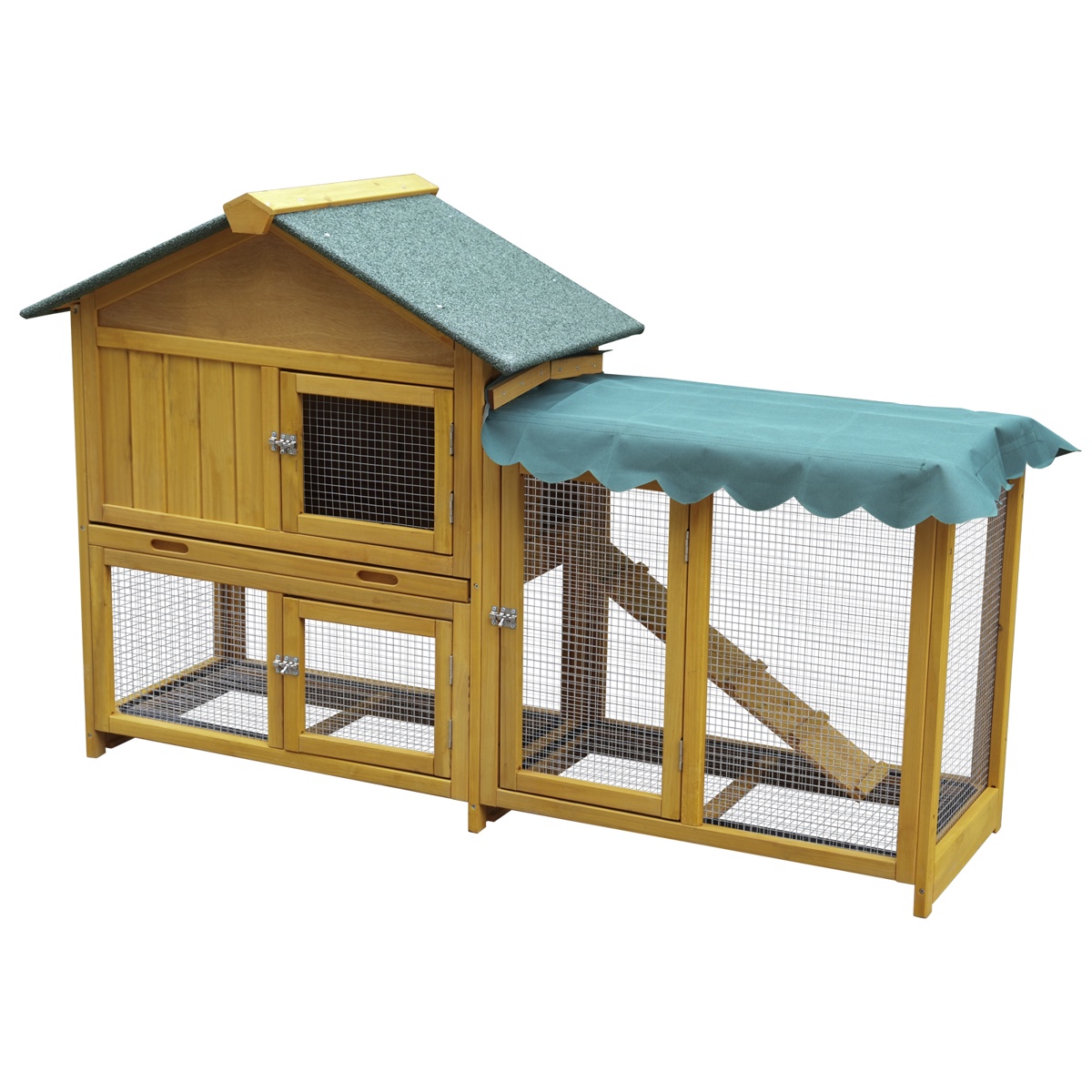 Rabbit Hutch, Indoor Bunny Cage, Outdoor Cages With Run, Pet House Deeper No Leak Tray, UV Panel, Removable Bottom Wire Mesh For Small Animals,Removable Waterproof And Sun Protection Cover$137.99View on Mallflare
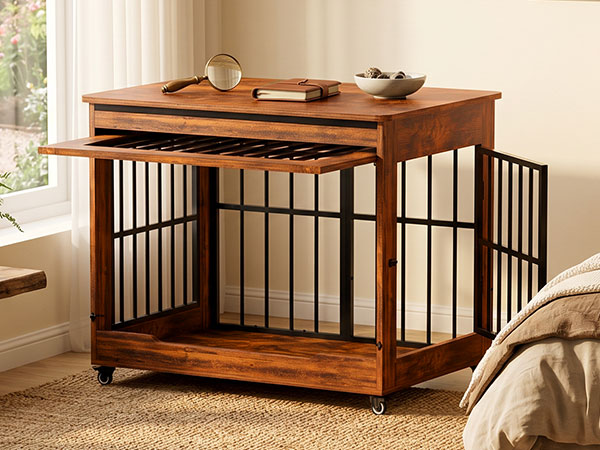 46in Large Dog Crate Furniture, Double Door Wooden Indoor Dog Kennel Decorative Pet Cage End Table With Wheels For Extra Breed Dogs, Size 2XL, Greige$142.99View on Mallflare
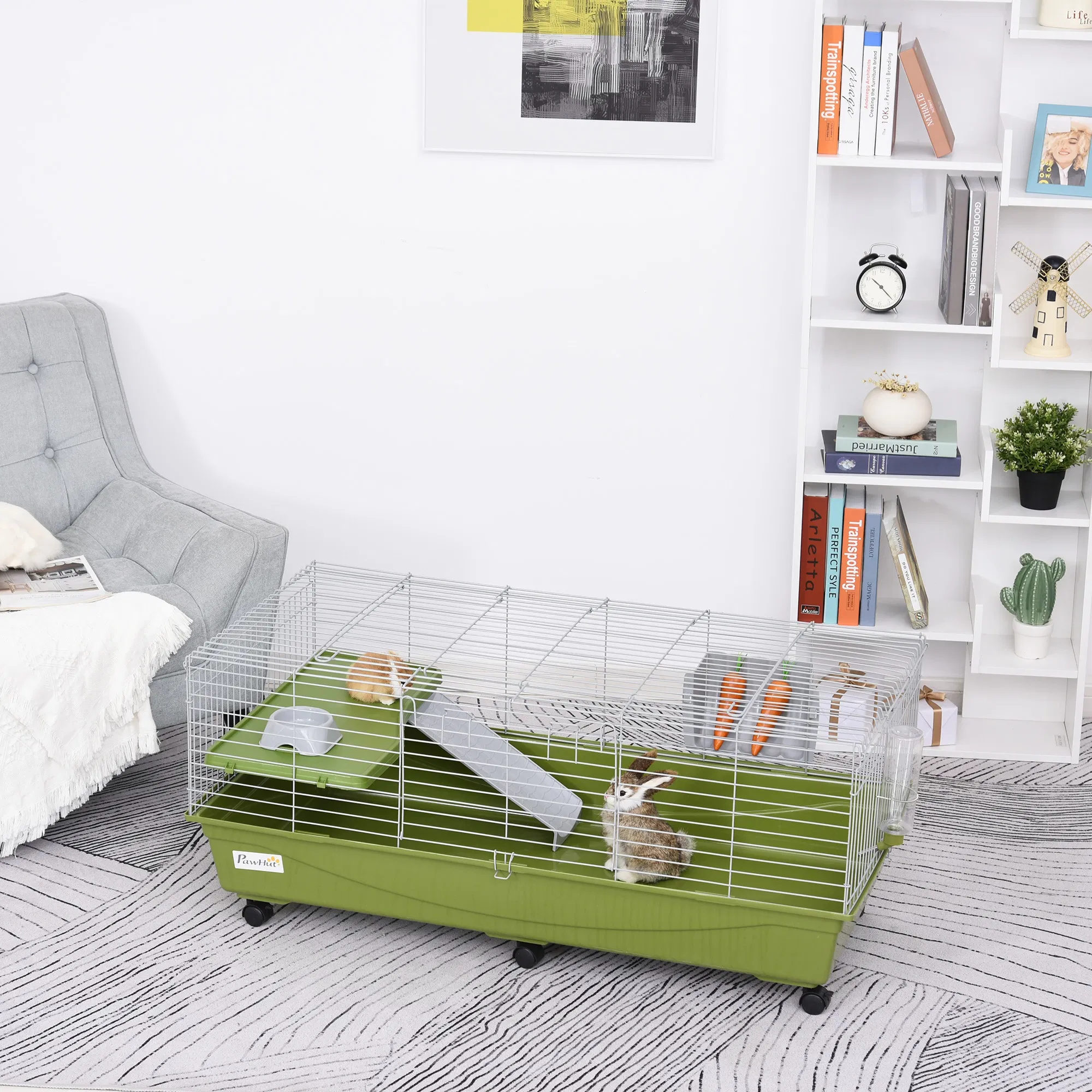 47" Small Animal Cage Chinchilla Guinea Pig Hutch Pet House with Platform Ramp, Food Dish, Wheels, & Water Bottle$148.99View on Mallflare
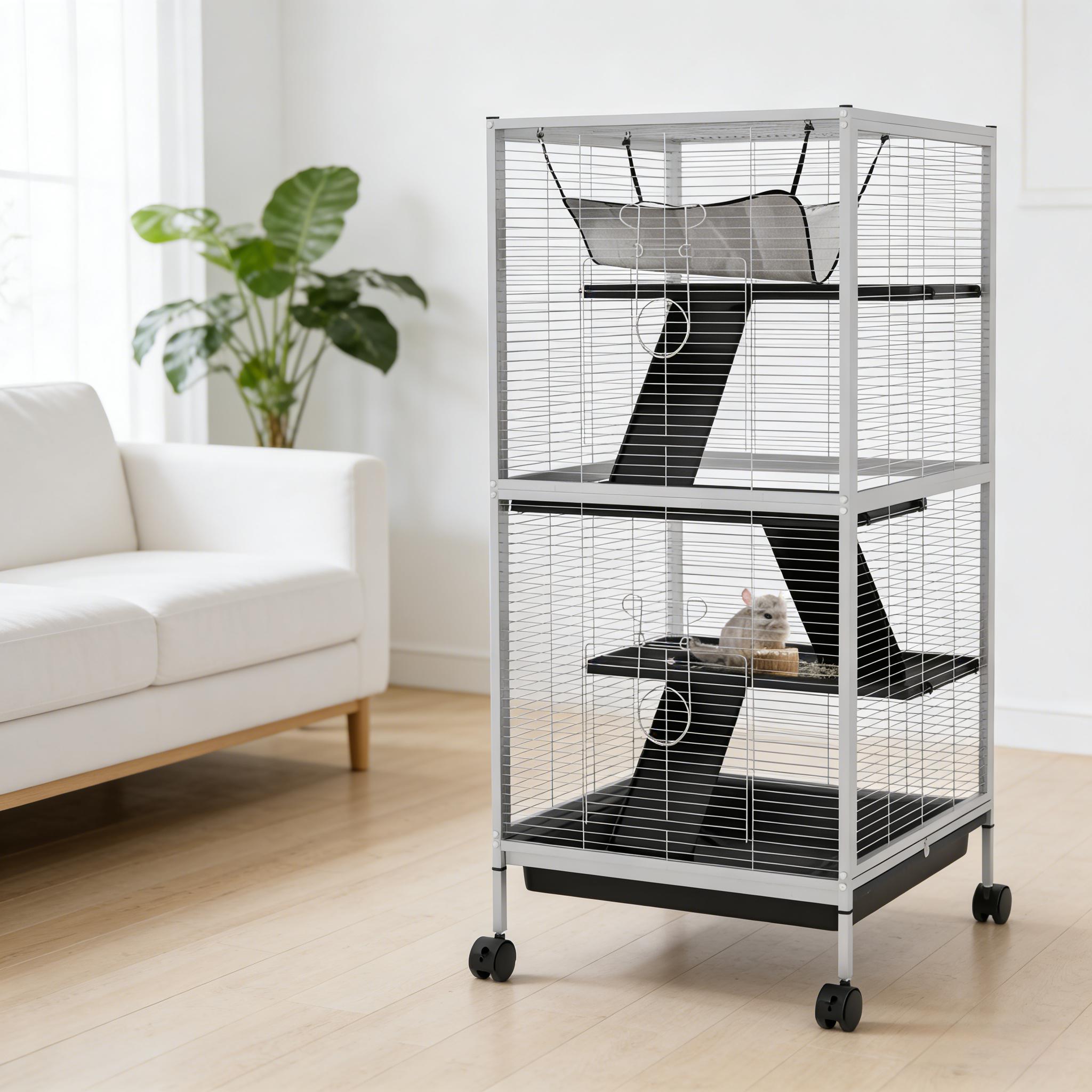 Spacious Pet House,Rolling Small Animal Hutch Cage,Small Pet$156.99View on Mallflare
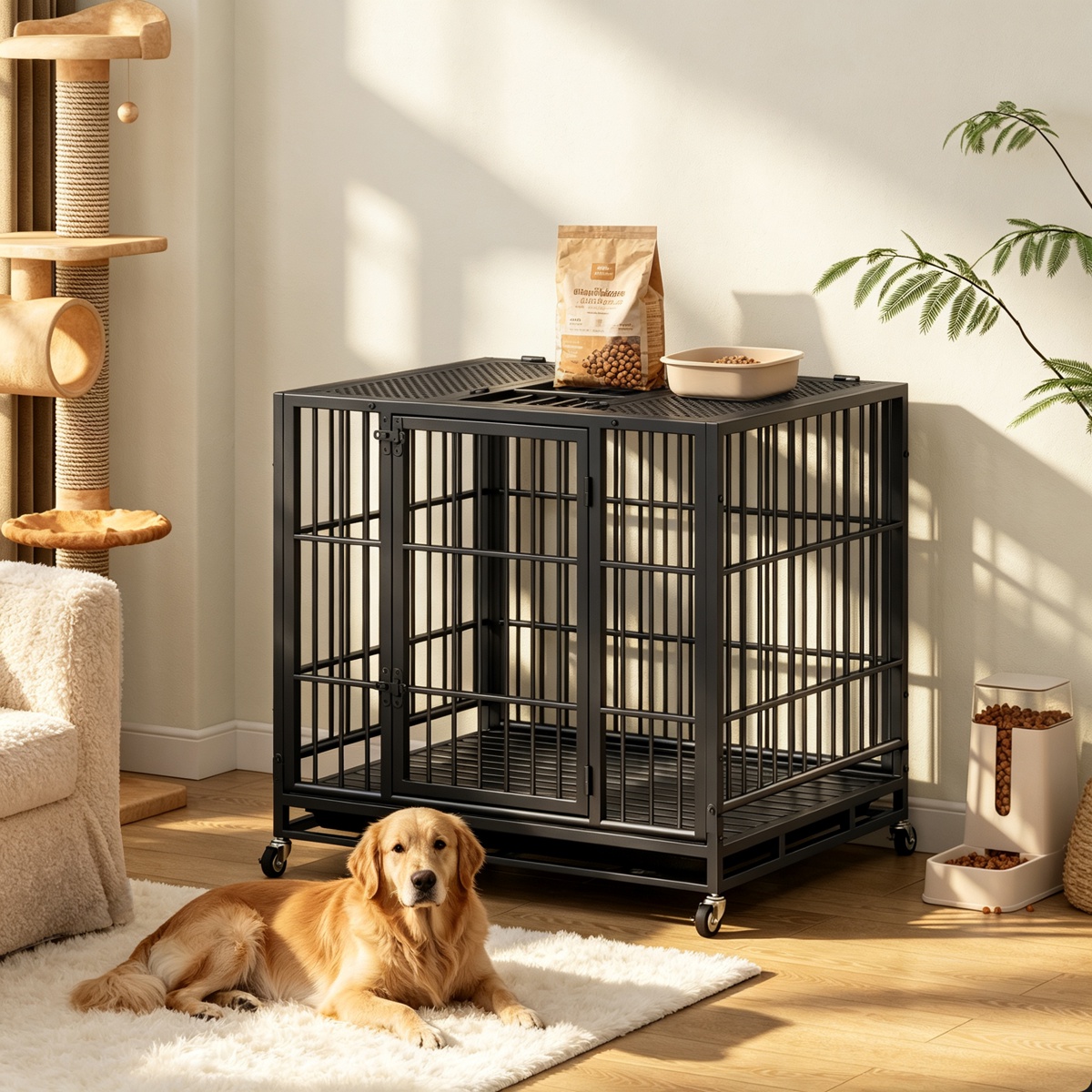 Heavy Duty Dog Crate , Mobile Pet Kennel with Lockable Wheels & Rotary Twist-Latch, Indoor Outdoor Metal Cage Perforated Top$174.99View on Mallflare
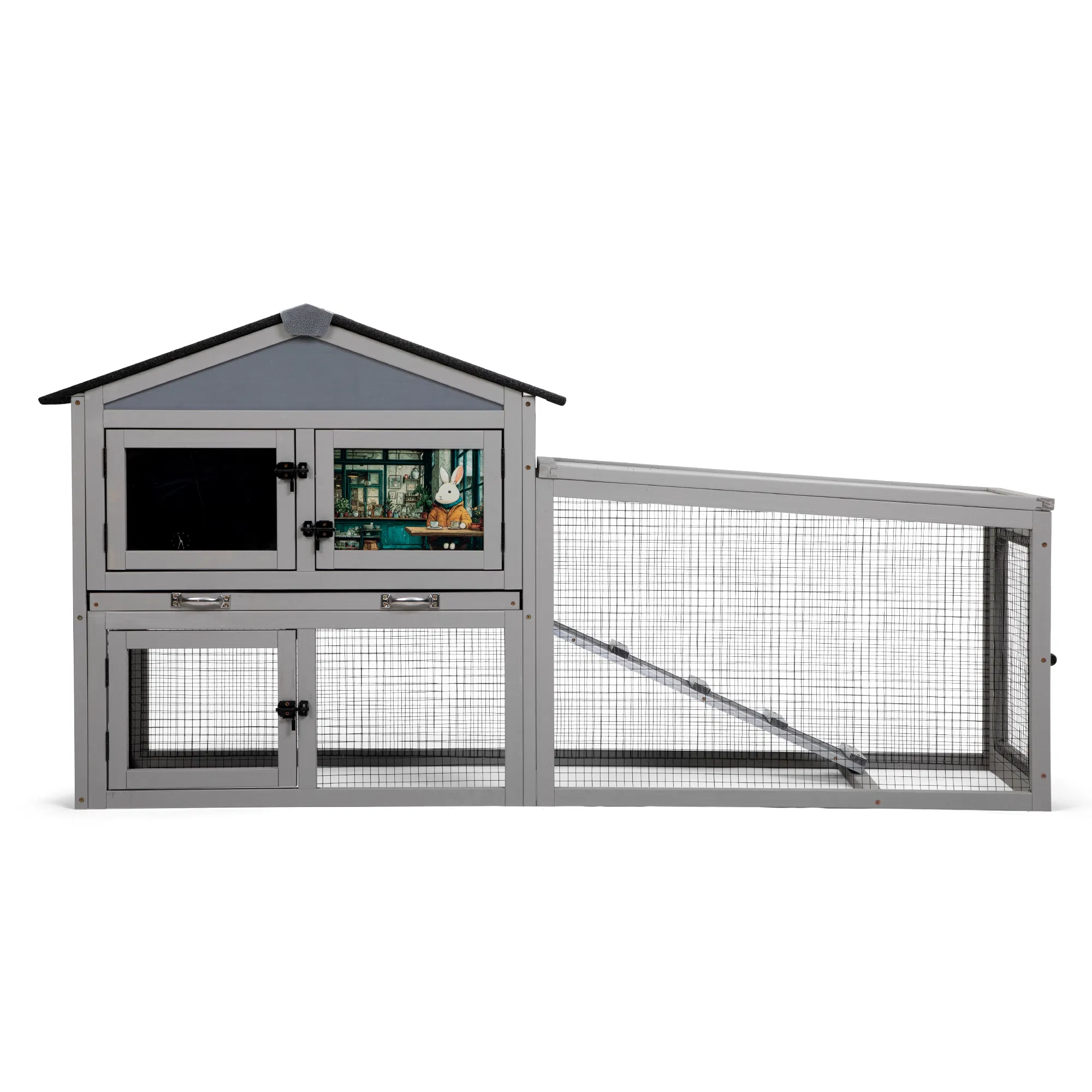 PET CAGE(Dark light gray)$185.99View on Mallflare
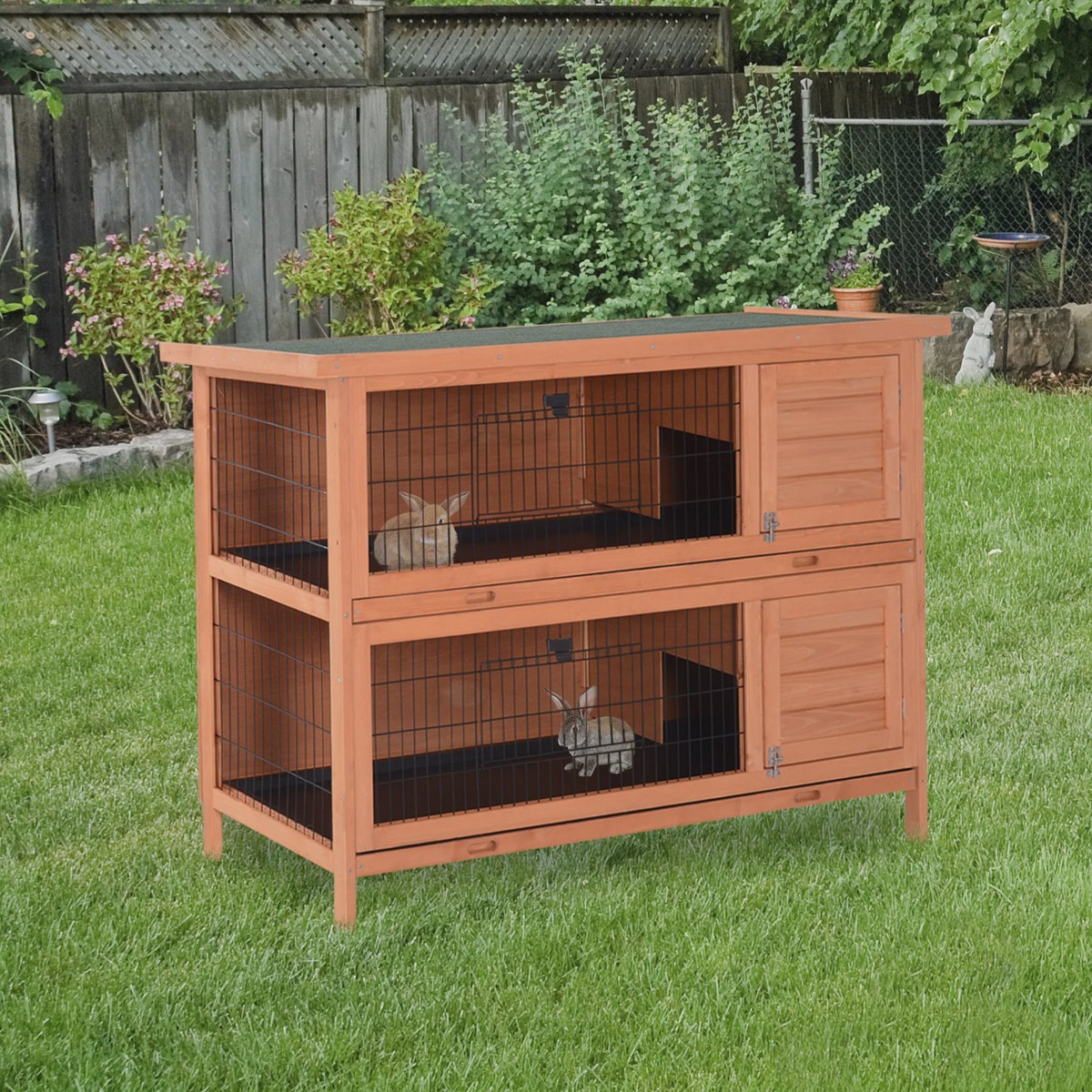 54" 2-Story Large Rabbit Hutch Bunny Cage Wooden Pet House Small Animal Habitat with Lockable Doors, No Leak Tray and Waterproof Roof for Outdoor/Indoor Natural$213.99View on Mallflare
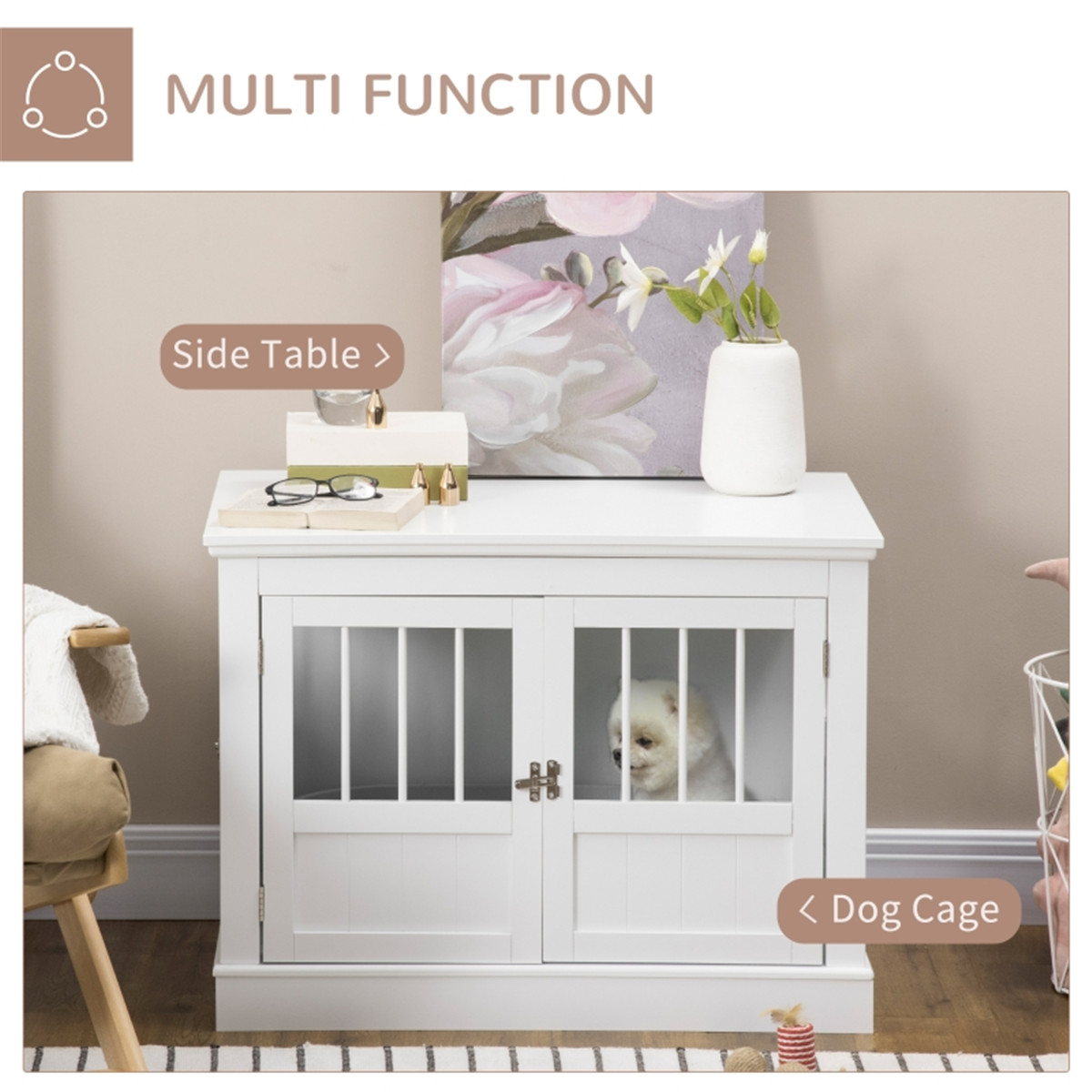 Dog Crate/Pet cages$219.99View on Mallflare
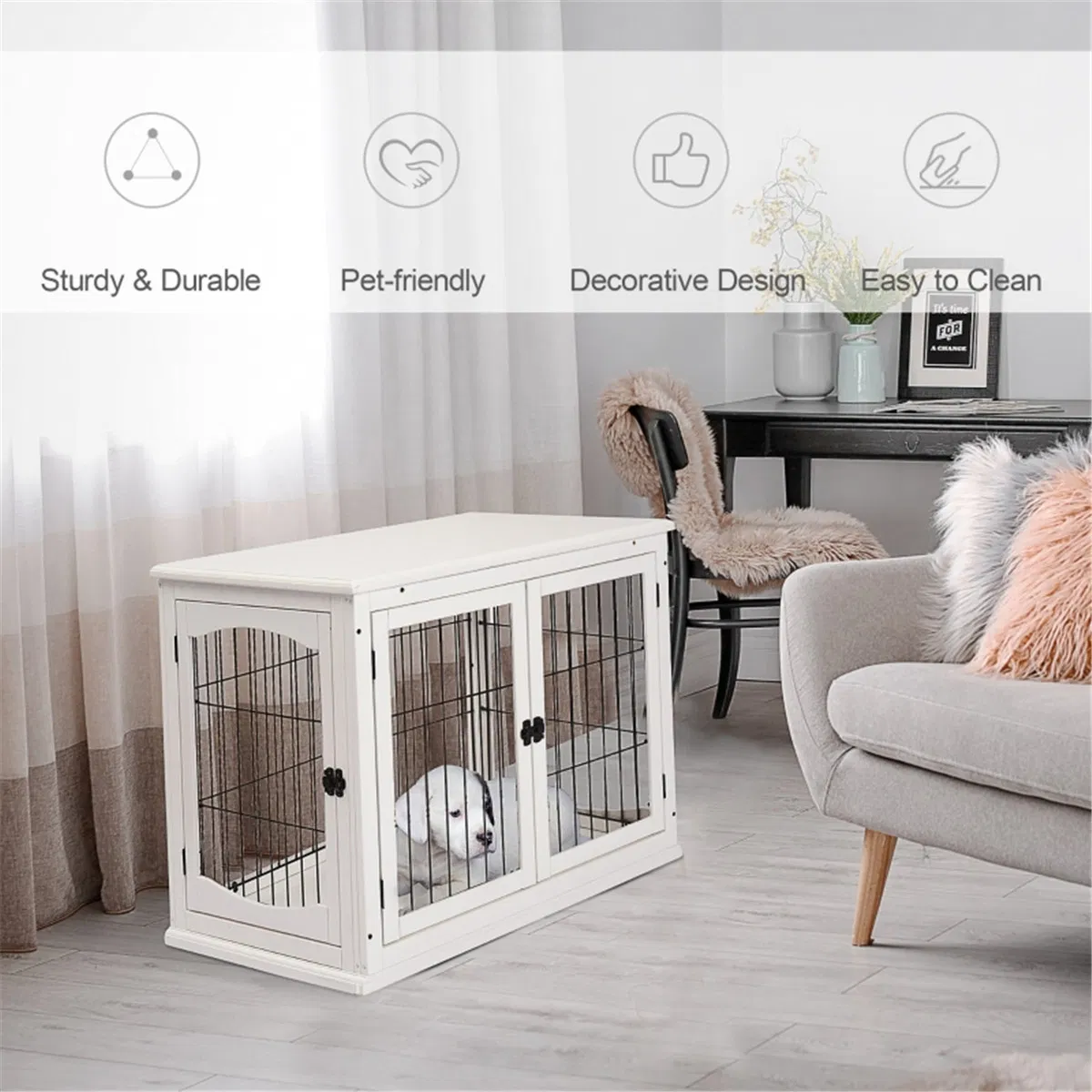 Dog Crate/Pet Cage, 2-in-1 End Table Dog House with French and Single Doors, MDF and Metal, Pure White, for Small and Medium Dogs up to 44 lbs$231.99View on Mallflare
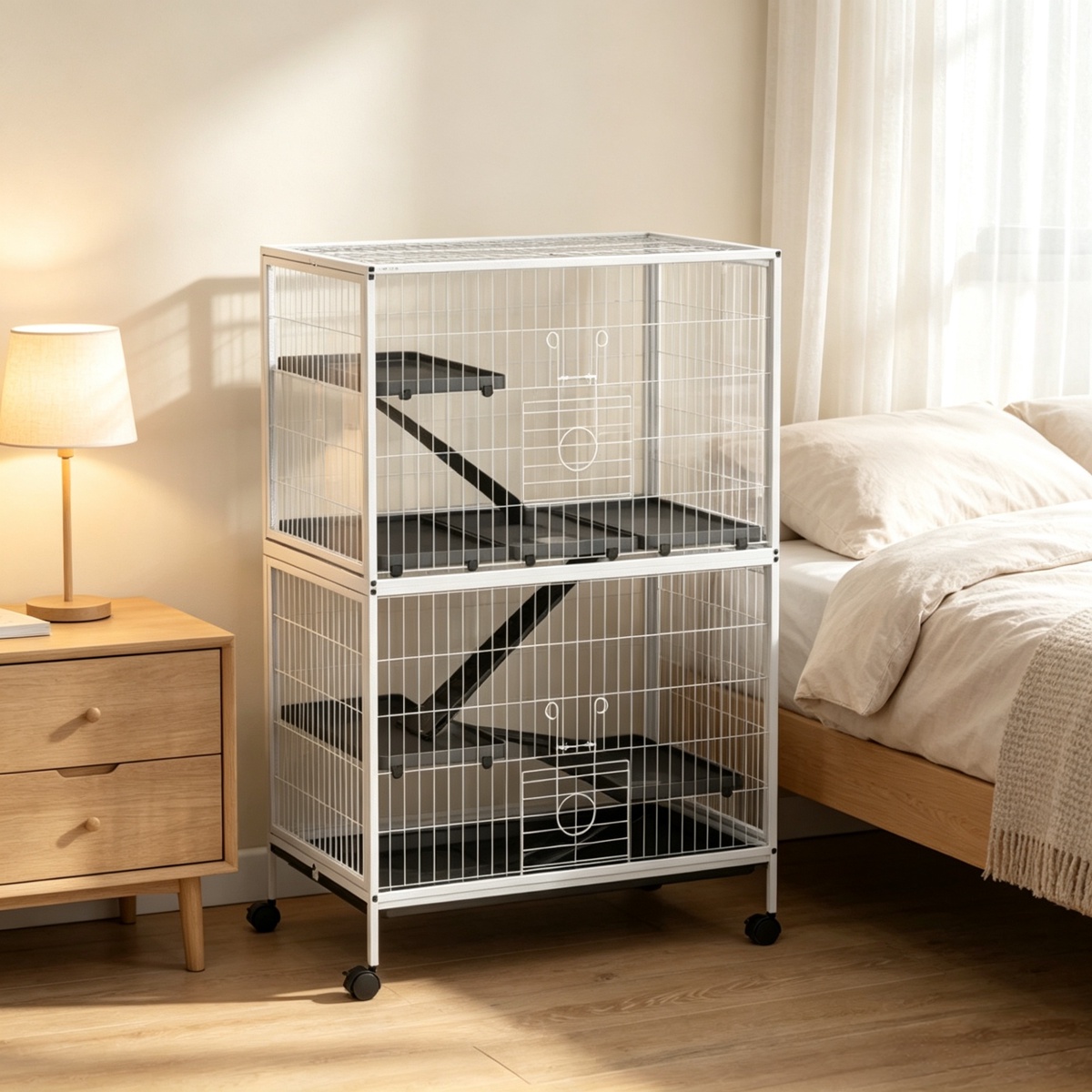 50 Inch Tall Rolling Ferret Chinchilla Cage – Small Animal Pet Habitat with Hammock, 4 Doors, Removable Tray$258.99View on Mallflare
Highlights
- Wire dog crates typically use 8–12 gauge welded steel; 12-gauge is lighter and fine for calm dogs, 8–10 gauge resists bending from anxious or large breeds.
- Furniture-style wooden crates combine a wood frame with a metal inner cage; door latches must be two-point or they fail under pawing.
- Small-animal cages need bar spacing at or below 0.4 in for hamsters and mice, 0.5–0.6 in for guinea pigs, and 0.75–1 in for rabbits.
- Casters on wheeled furniture crates are usually rated per-wheel; soft rubber casters roll quietly on hard floors but sink into thick carpet.
Best use cases
- House-training a puppy: pick a wire crate sized to adult length with a divider panel so the sleeping area shrinks as the dog grows.
- Living-room containment for a calm small dog: pick a wooden furniture crate with locking casters and a double-door layout for tight corners.
- Hamster, guinea pig, or rabbit: pick a bar cage with species-correct spacing and a solid or deep plastic base, and skip dog crates entirely.
- Anxious chewer or large breed: skip lightweight 12-gauge wire and choose 8–10 gauge welded steel or a reinforced furniture crate with two-point latches.
Buying tips
- Measure nose-to-tail length and add 2–4 in; the crate must let the dog stand without lowering its head and turn around fully.
- Match bar spacing: 1.5–2 in for medium/large dogs, 1–1.5 in for small dogs, and 0.4–0.75 in for small-animal species.
- For furniture crates, check that the inner metal cage is independently welded, not stapled to the wood panels.
- Wheeled crates: confirm at least two locking casters and that wheel height clears door thresholds in your home.
Specs
| Crate Material | Welded steel / wood / plastic |
|---|---|
| Bar Spacing | 0.4–2 in by species |
| Dog Crate Length | Nose-to-tail + 2–4 in |
| Wheel Type | Locking casters / hard wheels |
Related searches
What to check before buying
- Measure your pet's standing height and nose-to-tail length, then compare to the crate's interior dimensions, not exterior.
- Measure doorways and room footprint; furniture crates are wider than wire crates and need clearance for double doors.
- Confirm floor type: soft casters for hardwood/tile, harder wheels or no wheels for thick carpet.
- For small animals, verify bar spacing and base depth against species escape and bedding needs.
FAQ
Data sources: eBay / Amazon listings and product attribute feeds. Updated Nov 28, 2026.
Some links on this page are affiliate links. If you buy after clicking one, we may earn a commission at no extra cost to you. This does not change which products appear here or their order. Affiliate disclosure.