
Photos from current listings. Actual item, color, and included accessories may vary.
Heavy Duty Metal Dog Cage Buying Guide
A heavy-duty metal dog cage is judged by weld quality, bar gauge, latch security, and floor protection—not by marketing adjectives. Buyers commonly err by sizing to the dog's current weight instead of adult height and length, or by choosing a gauge too thin for a determined escape artist. Fit the crate to the dog's adult dimensions and the room's footprint, then verify the latch and tray design before committing.
Median $165.49
Key takeaways
- Bar gauge drives escape resistance: 3–4mm welded steel rods resist bending, while 2mm wire bends under a determined dog's paws.
- Latch architecture matters more than bar count; rotary twist-latches and dual-point slide bolts prevent nose-and-paw manipulation better than single spring latches.
- Lockable caster wheels add mobility but must be rated for the crate-plus-dog load; cheap casters shear at the stem under heavy breeds.
At a glance
- Category
- Pet Crates, Kennels & Playpens
- Last updated
- Nov 28, 2026
Current offers
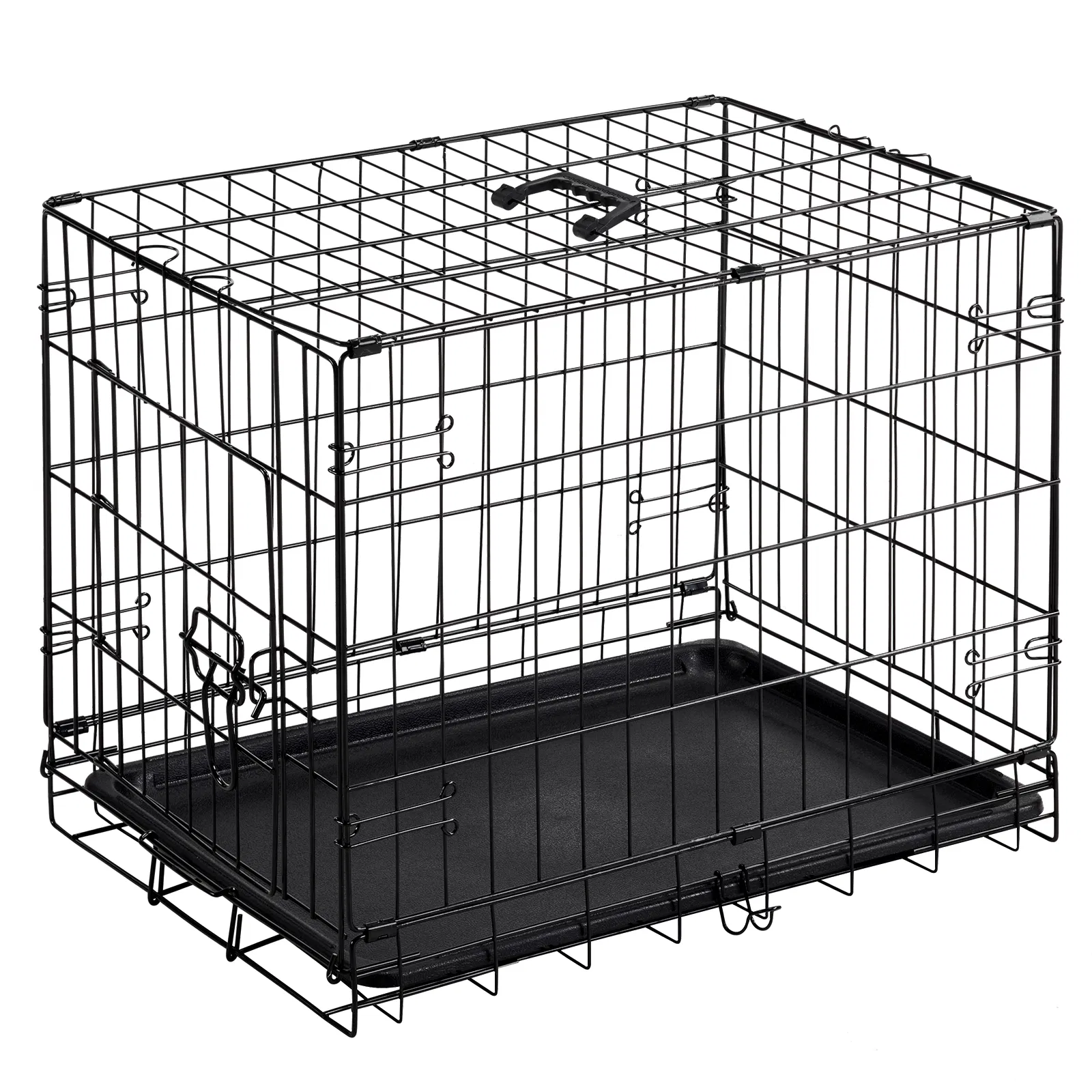 24 inch Single door Dog Cage - durable metal pet kennel, secure lock, collapsible design, removable tray for easy cleaning, portable puppy$45.99View on Mallflare
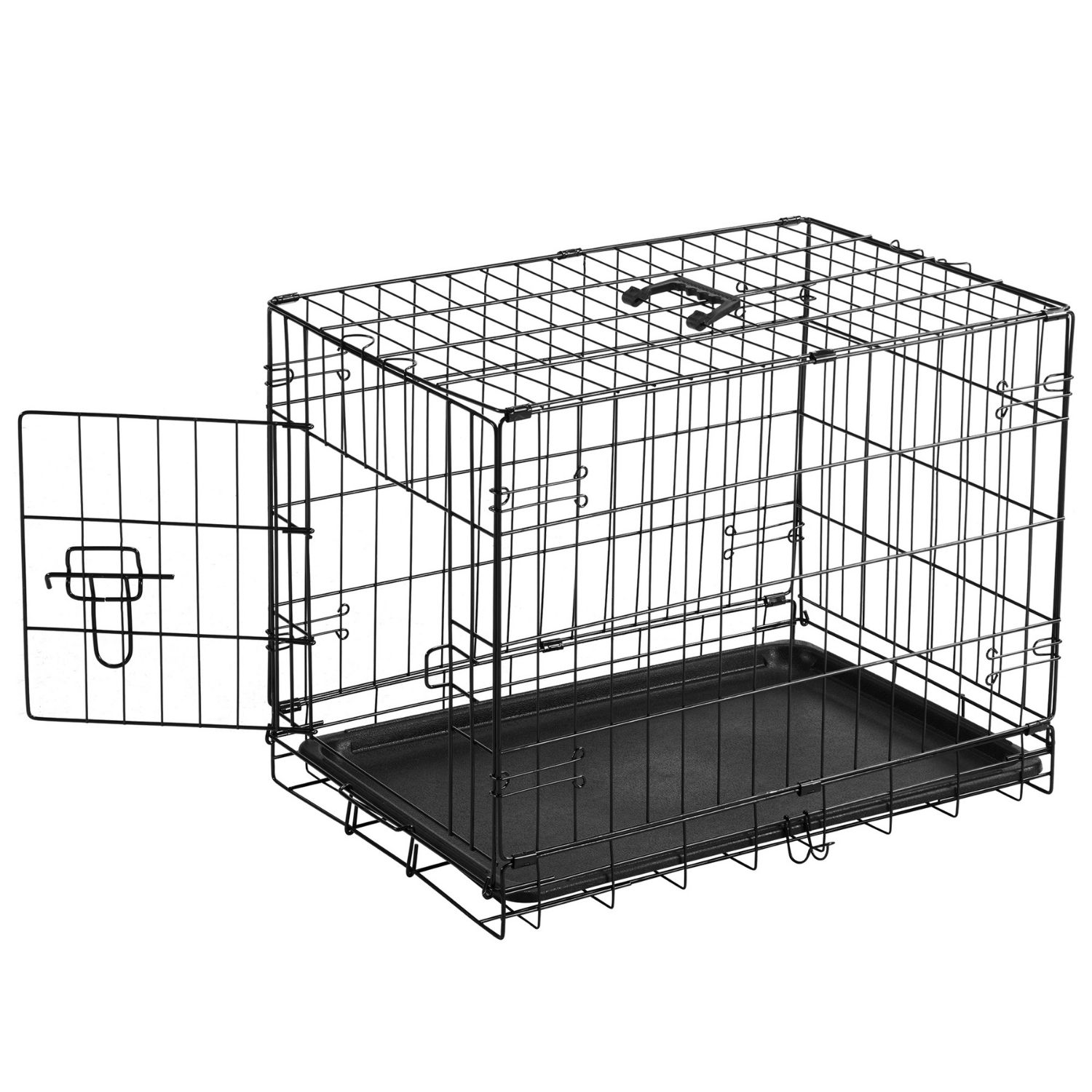 Single Door Dog Cage - Durable Metal Pet Kennel, Secure Lock, Collapsible Design, Removable Tray For Easy Cleaning, Portable Puppy$51.99View on Mallflare
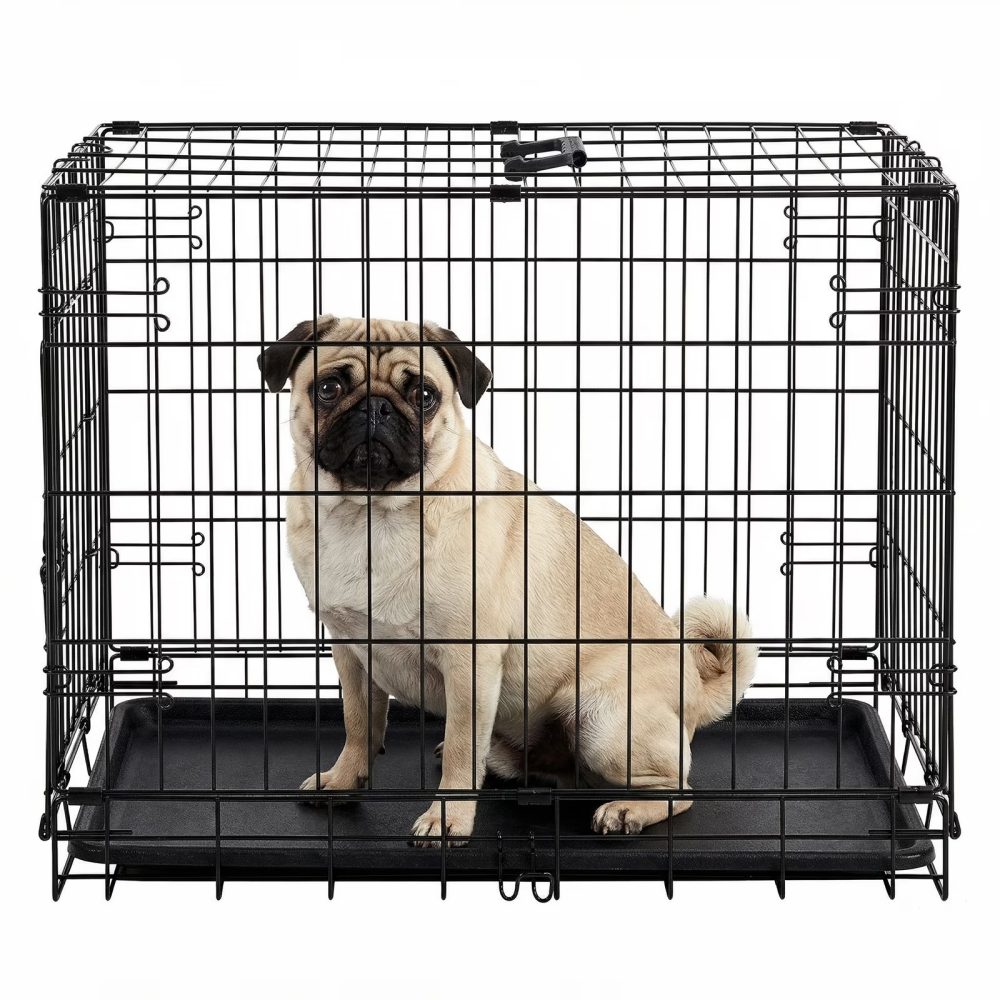 24/30 Inch Dog Crate, Black - Durable Metal Puppy Cage with Removable Tray, Collapsible Kennel for Small Medium Dogs, Easy Clean$79.99View on Mallflare
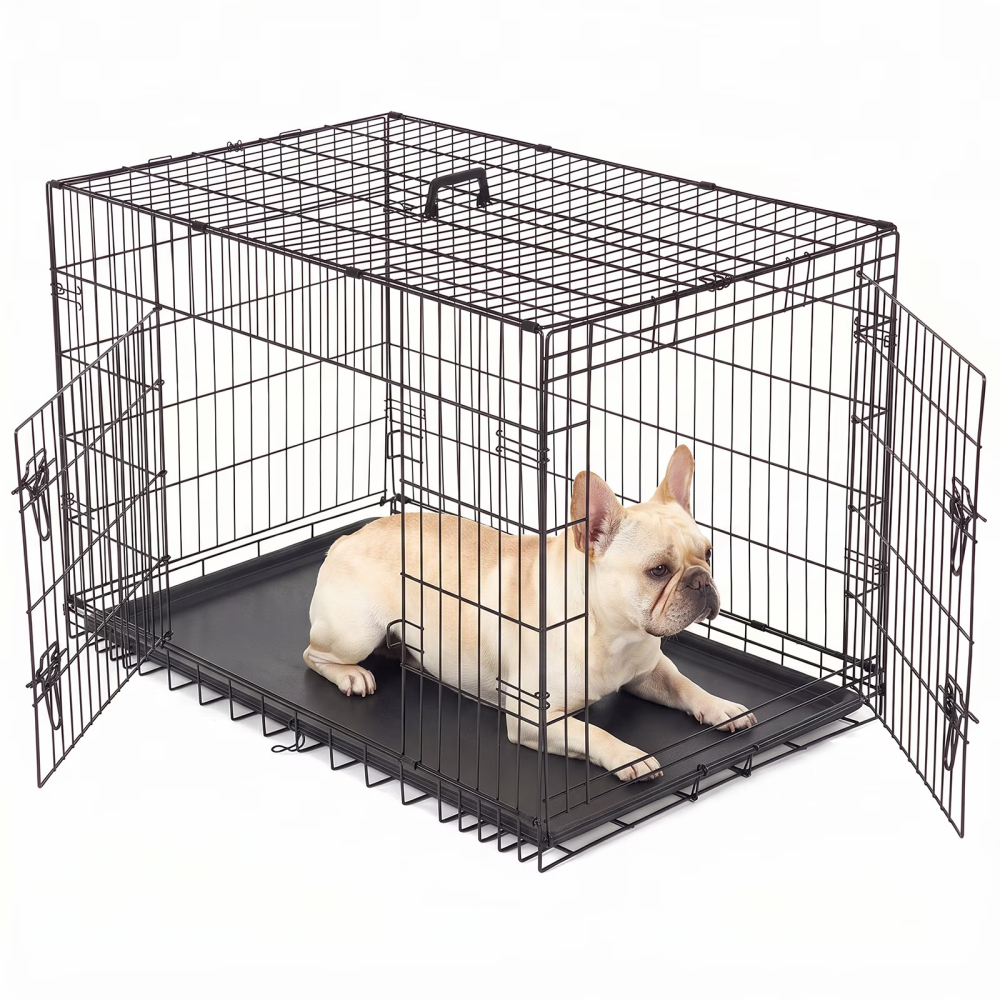 36 Inch Double Door Dog Crate - Heavy Duty Foldable Metal Cage with Divider, Removable Tray & Enhanced Safety Design for Large Dogs, Black$106.99View on Mallflare
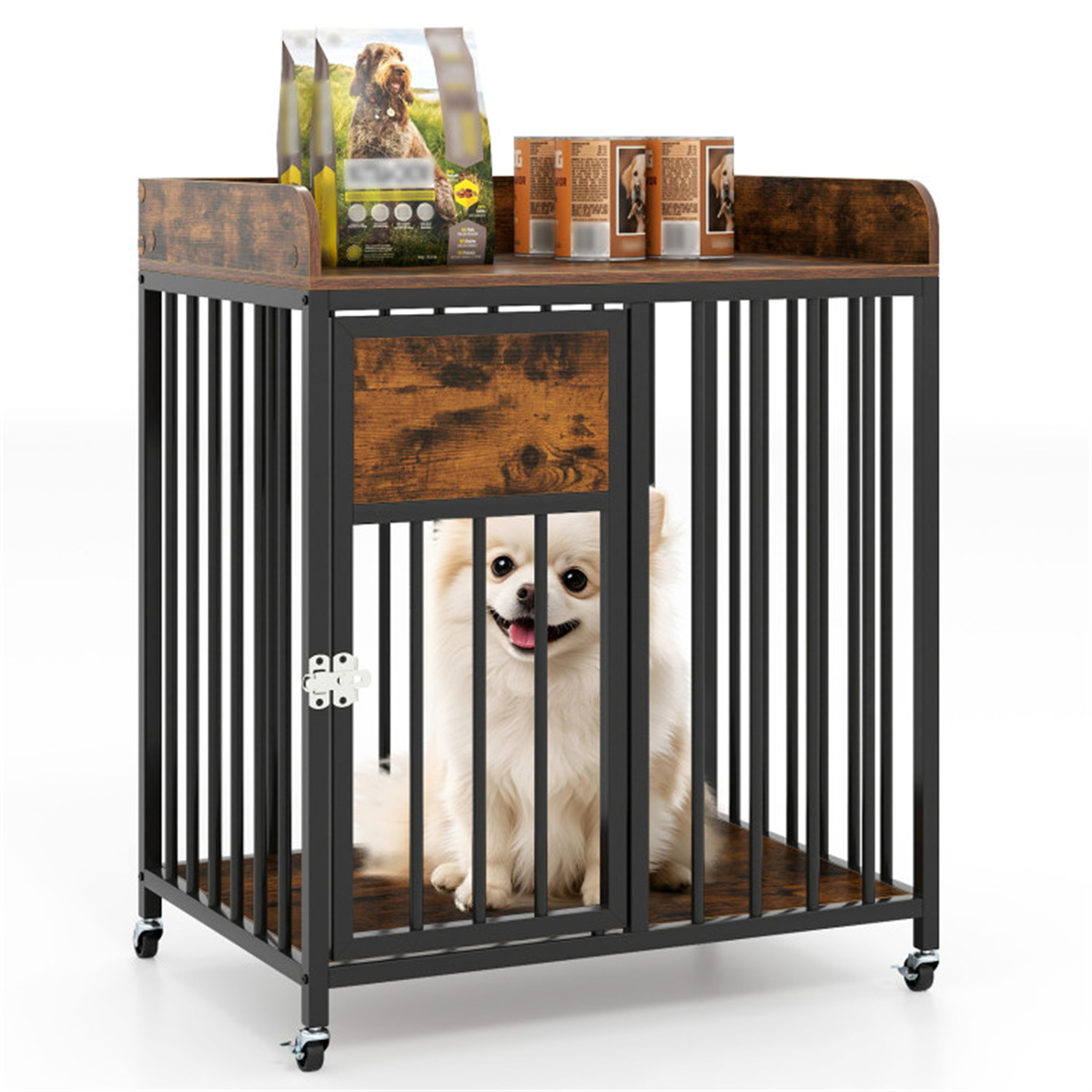 2-in-1 Dog Crate Furniture with Thickened Metal Tubes, Lockable Wheels Pet Kennel for Small Dogs$155.99View on Mallflare
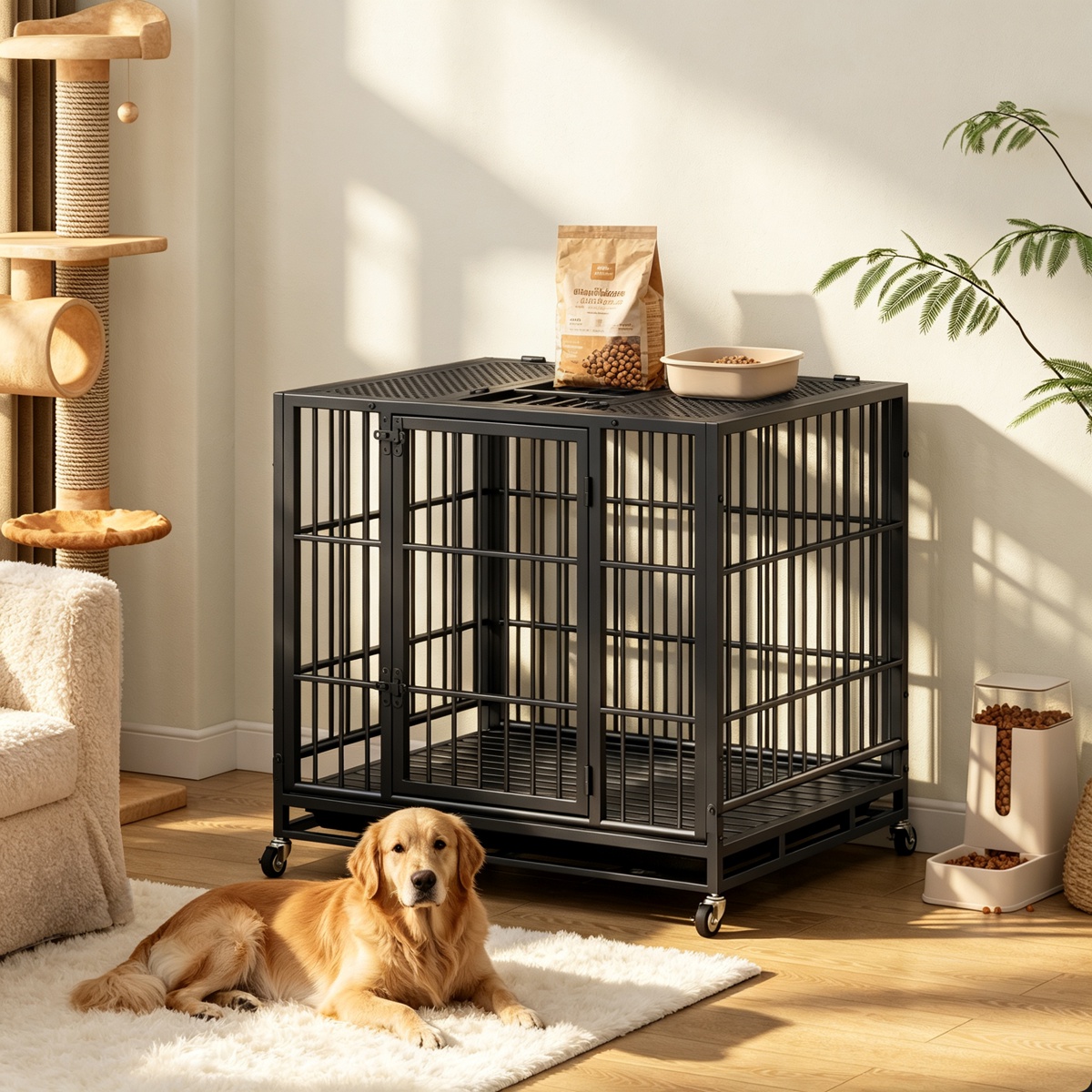 Heavy Duty Dog Crate , Mobile Pet Kennel with Lockable Wheels & Rotary Twist-Latch, Indoor Outdoor Metal Cage Perforated Top$174.99View on Mallflare
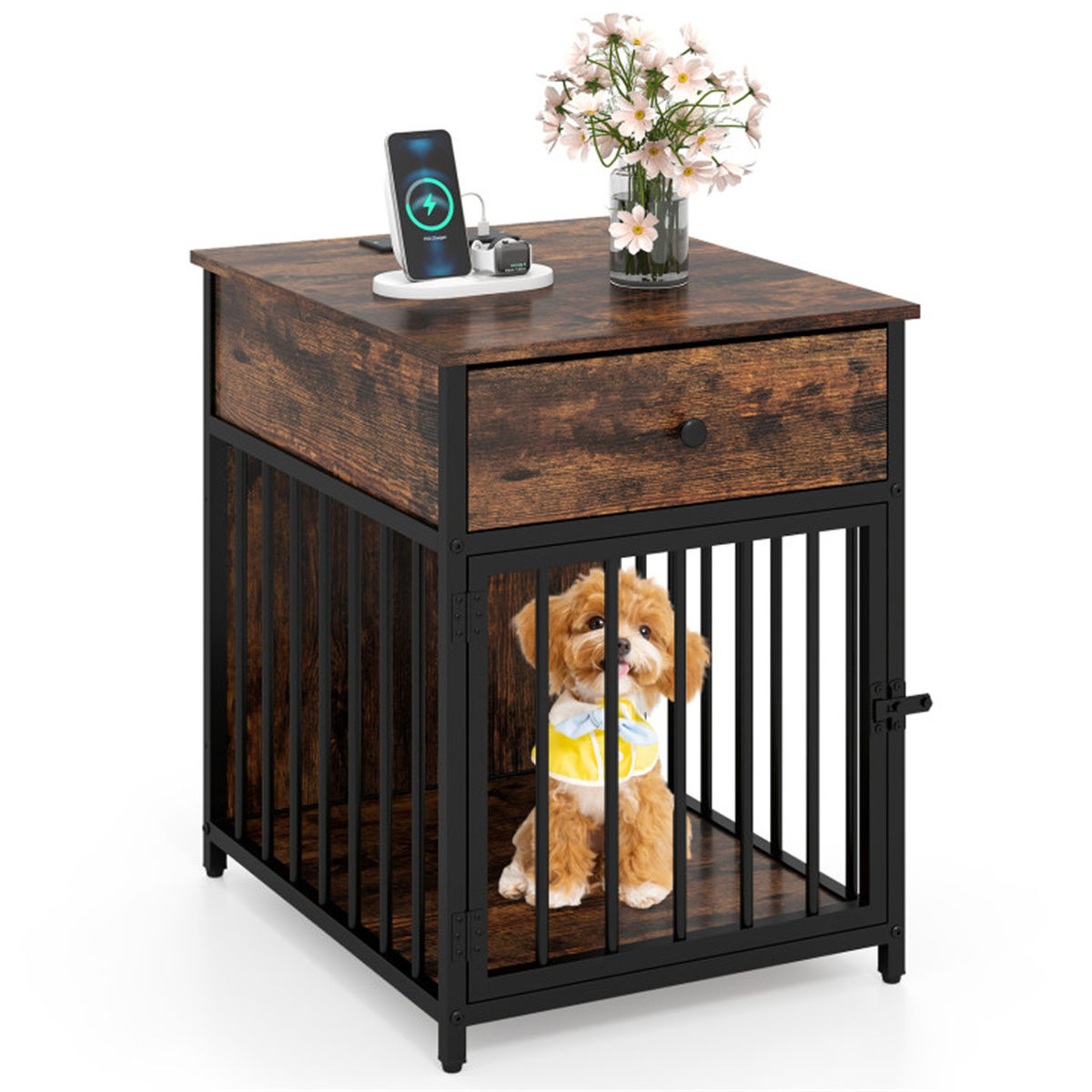 Black+Brown 2-in-1 Dog Crate End Table with Charging Station, Chew-Resistant Metal Tube Pet Furniture for Small Dogs Under 25 lbs$216.99View on Mallflare
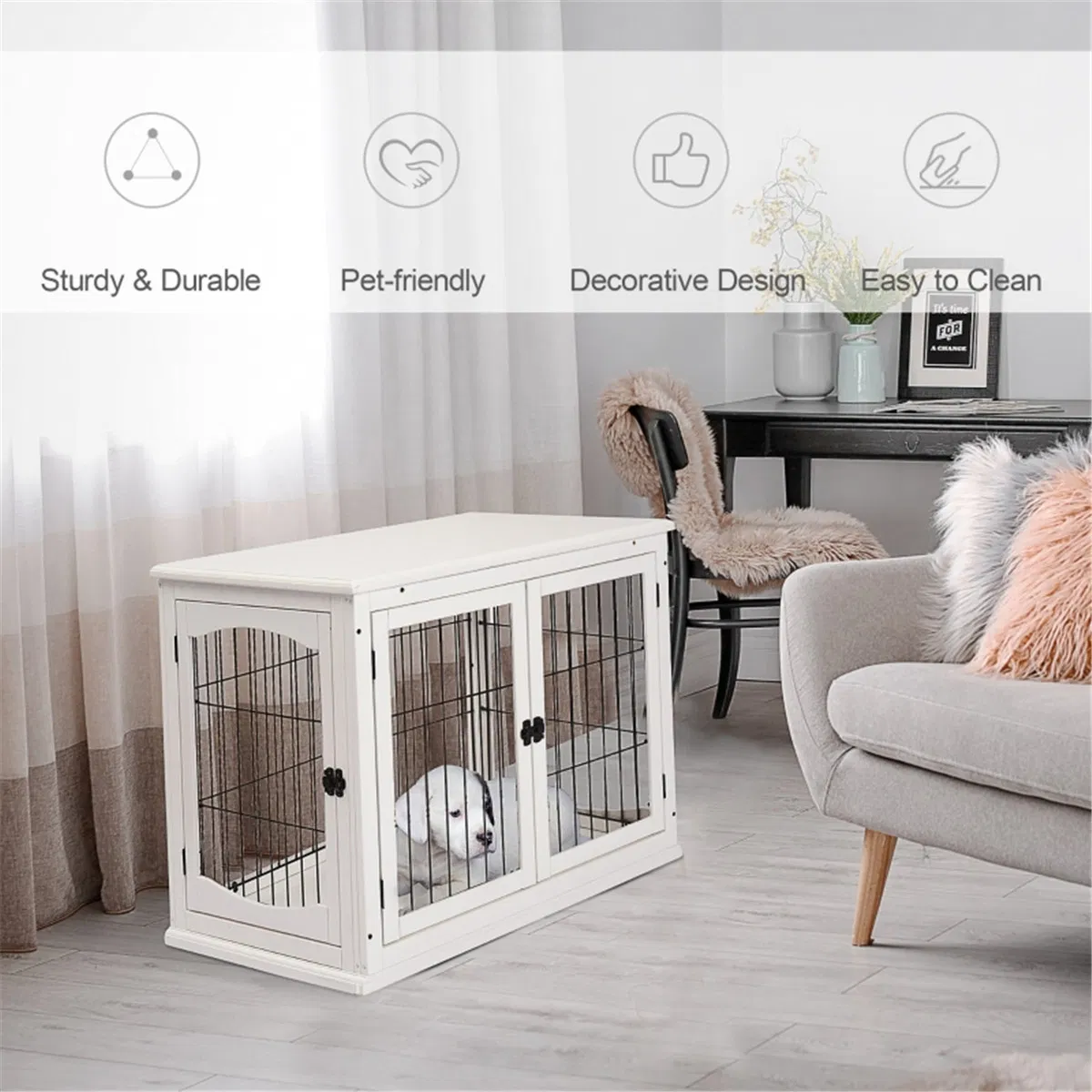 Dog Crate/Pet Cage, 2-in-1 End Table Dog House with French and Single Doors, MDF and Metal, Pure White, for Small and Medium Dogs up to 44 lbs$231.99View on Mallflare
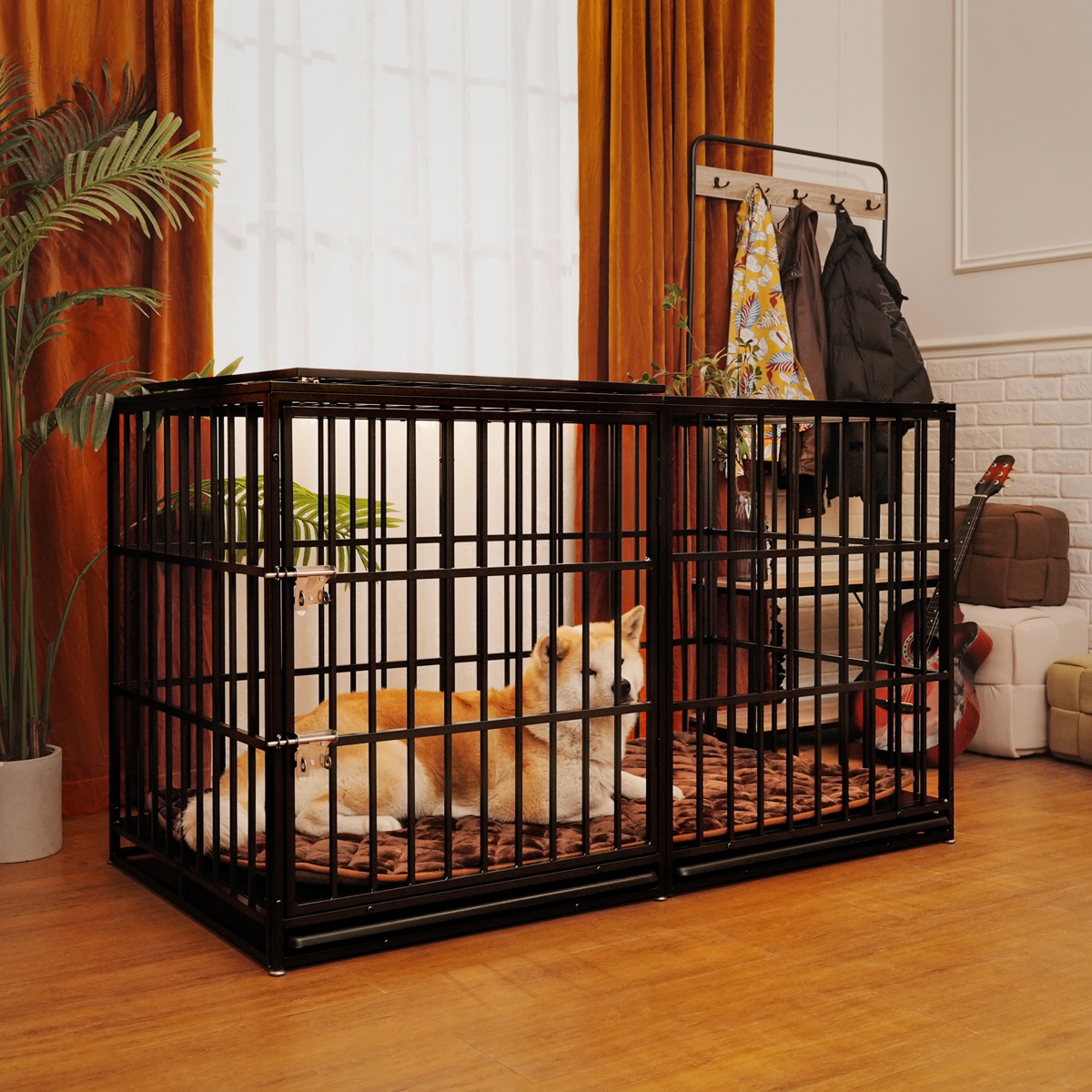 61 Extra Large Heavy Duty Dog Crate Dog Cage Strong Metal Dog Kennels And Pens Crates For Dogs$292.99View on Mallflare
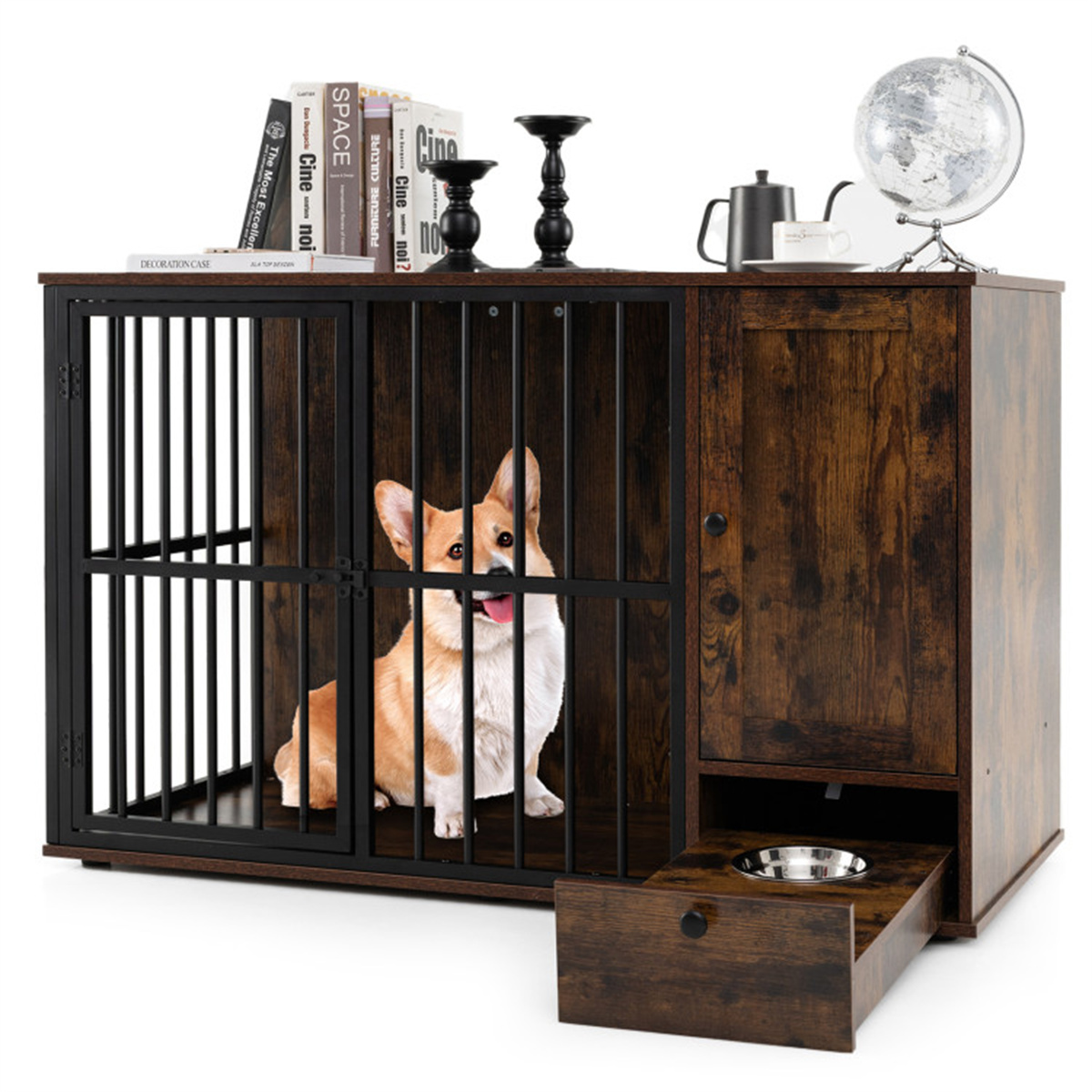 Coffee 2-in-1 Dog Crate End Table with Pull-Out Feeder, Chew-Resistant Metal Tube Pet Furniture for Small & Medium Dogs$401.99View on Mallflare
Highlights
- Bar gauge drives escape resistance: 3–4mm welded steel rods resist bending, while 2mm wire bends under a determined dog's paws.
- Latch architecture matters more than bar count; rotary twist-latches and dual-point slide bolts prevent nose-and-paw manipulation better than single spring latches.
- Lockable caster wheels add mobility but must be rated for the crate-plus-dog load; cheap casters shear at the stem under heavy breeds.
- Removable trays in ABS or galvanized steel simplify cleaning, but tray depth and lip height determine whether liquids stay contained.
Best use cases
- Best fit: a 60–70 lb adult Labrador in a 42-inch crate with 4mm bars and dual rotary latches—covers standing height and turnaround space without excess footprint.
- Best fit: a multi-dog household needing a stationary indoor kennel; skip casters and choose a flat-footed crate with a galvanized tray for easier floor protection.
- Wrong fit: a puppy expected to grow past 80 lb in a 36-inch crate—buy the adult-size 48-inch model now rather than replacing a too-small unit within a year.
Buying tips
- Size by adult height at the shoulder plus 2–4 inches of headroom, and by nose-to-tail length plus 2–3 inches of turnaround clearance.
- Prioritize welded seams and bar-to-frame joints over painted finishes; powder coating hides rust but cannot compensate for weak welds.
- Choose rotary twist-latches or dual-point bolts for escape-prone breeds; single spring latches are the most common failure point.
- Inspect caster stem diameter and locking mechanism if mobility matters—thin stems and plastic hubs fail under heavy loads.
Specs
| Bar Gauge | 3–4mm heavy-duty welded steel |
|---|---|
| Latch Type | Rotary twist-latch vs slide bolt |
| Tray Material | Galvanized steel vs ABS plastic |
| Mobility | Lockable casters vs flat feet |
Related searches
What to check before buying
- Measure the dog's adult shoulder height and nose-to-tail length; add 2–4 inches headroom and 2–3 inches length clearance before selecting a crate size.
- Confirm door clearance in your room and hallway so the crate fits through doorways and leaves space for the door swing.
- Check floor type: casters can scratch hardwood, so use floor protectors or a flat-footed crate on sensitive surfaces.
- Verify tray material and lip depth match your cleaning routine—galvanized steel resists chewing and odor better than thin ABS.
FAQ
Data sources: eBay / Amazon listings and product attribute feeds. Updated Nov 28, 2026.
Some links on this page are affiliate links. If you buy after clicking one, we may earn a commission at no extra cost to you. This does not change which products appear here or their order. Affiliate disclosure.