
Photos from current listings. Actual item, color, and included accessories may vary.
Cat Carrier Buying Guide
A cat carrier is a short-haul containment system engineered around two incompatible goals: escape-proof structure and low-stress transport. The core trade-off is hard-shell plastic (crush resistance, easy cleaning, airline dimensional compliance) versus soft-sided fabric (light weight, shoulder carry, under-seat flex) — and the governing rule is that any carrier without a locked zipper or door, a rigid base, and a load-rated attachment point is a compromise, not a transport crate.
Median $74.99
Key takeaways
- Hard-shell carriers use molded PP or ABS with metal door latches; soft carriers use 600D-900D polyester or nylon over a wire frame — fabric flex is what lets soft carriers fail in cargo holds.
- Airline under-seat compliance depends on exterior dimensions, not internal volume: most major carriers target roughly 18 x 11 x 11 in soft-sided, while hard-shell cabin limits run closer to 17.5 x 12 x 7.5 in.
- Soft carriers must have a locking zipper (not a single slider) plus a safety tether clip; hard carriers must have a door that locks beyond the spring latch, since cats can pop single-spring doors.
At a glance
- Category
- Pet Crates, Kennels & Playpens
- Last updated
- Nov 25, 2026
Current offers
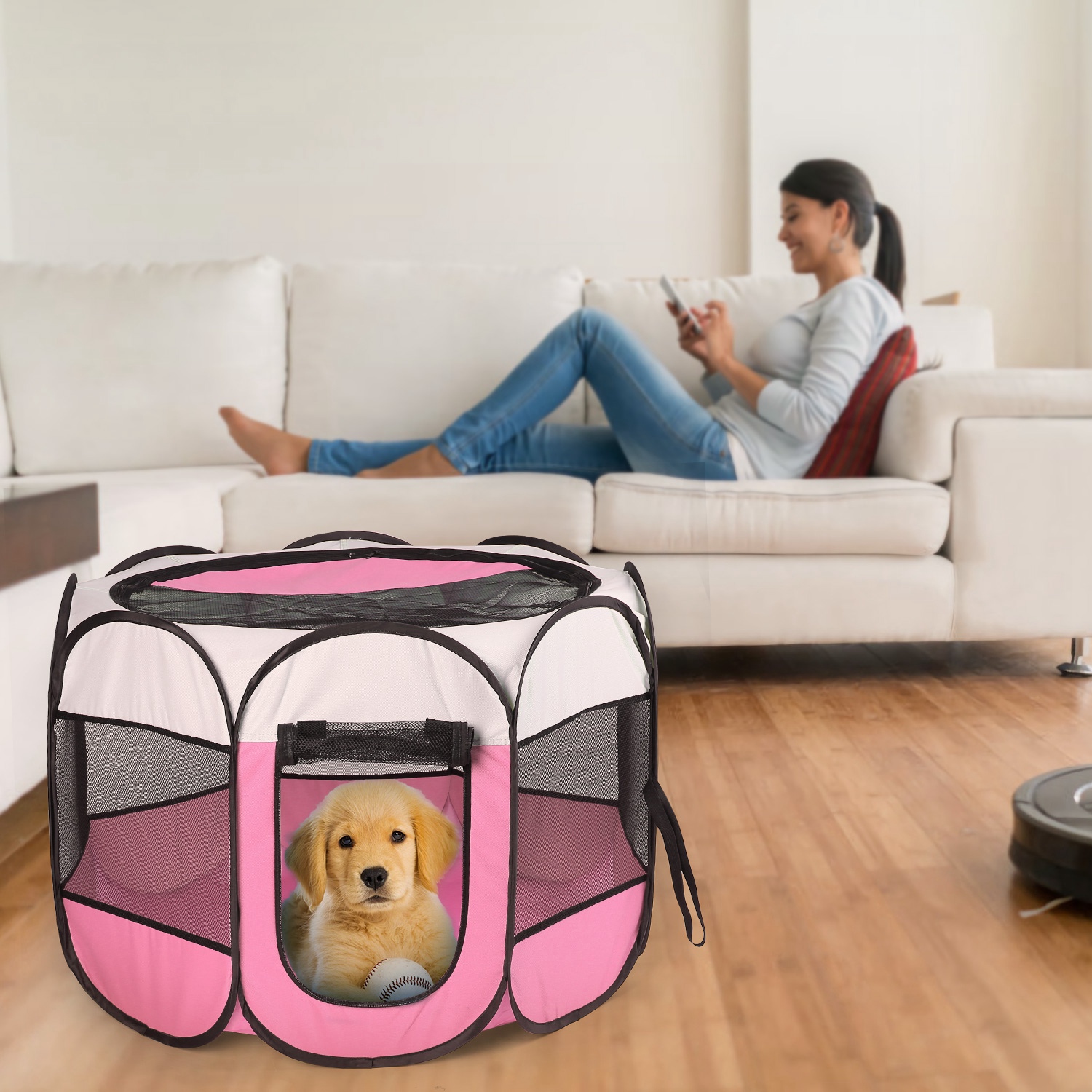 Pink-Blue Options -- 1Pc Portable Foldable Pet Tent Exercise Pen Kennel Removable Zipper Top And Bottom Water Resistant Indoor Outdoor Use For Dogs Cats Other Pets$45.99View on Mallflare
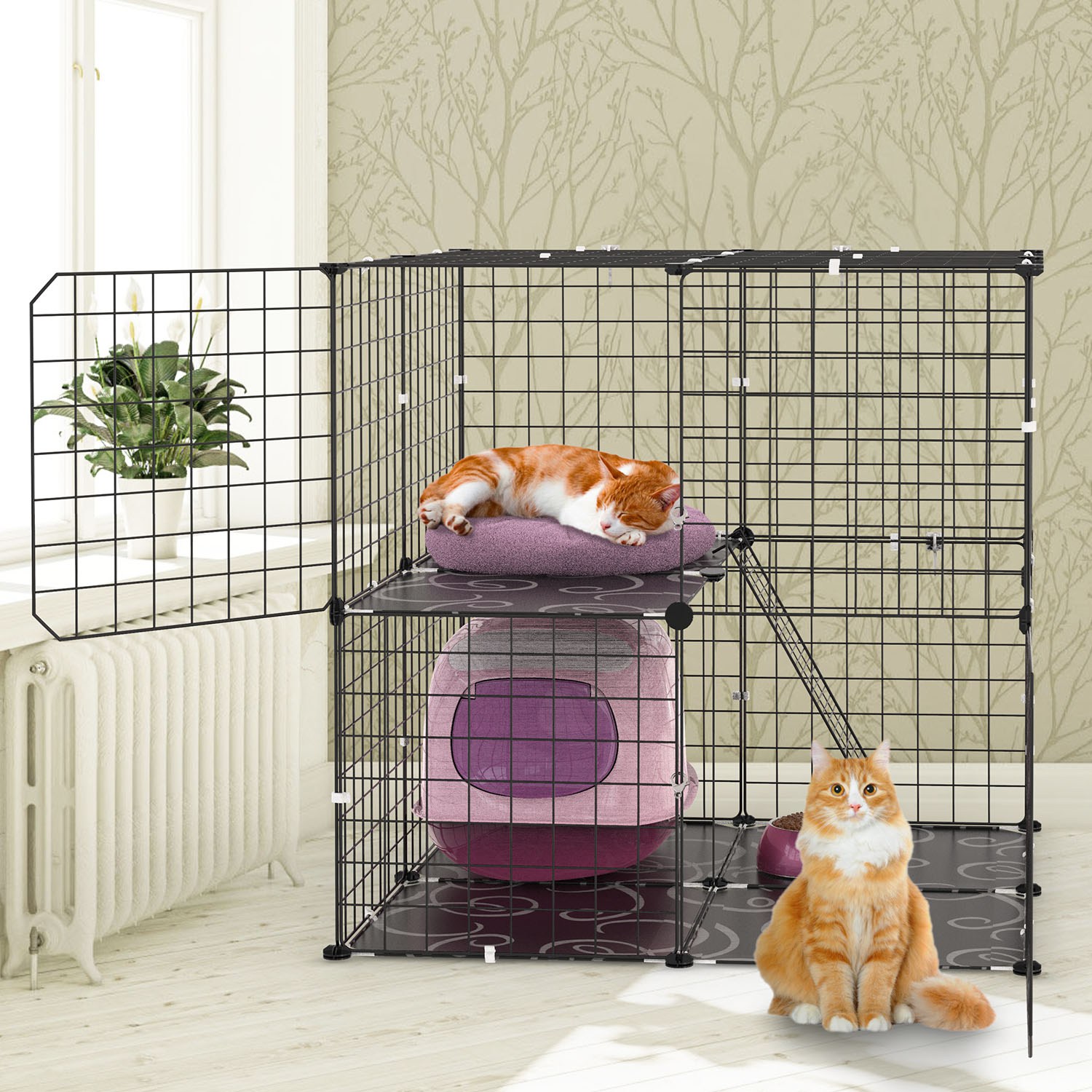 1Pc 2Tier Cat Cage Playpen Indoor Pet Enclosures Kitten Kennel House Detachable Cat Crate With Climbing Ladder 2 Doors For 1 To 2 Cats For Ferret Squirrel Small Animals$66.99View on Mallflare
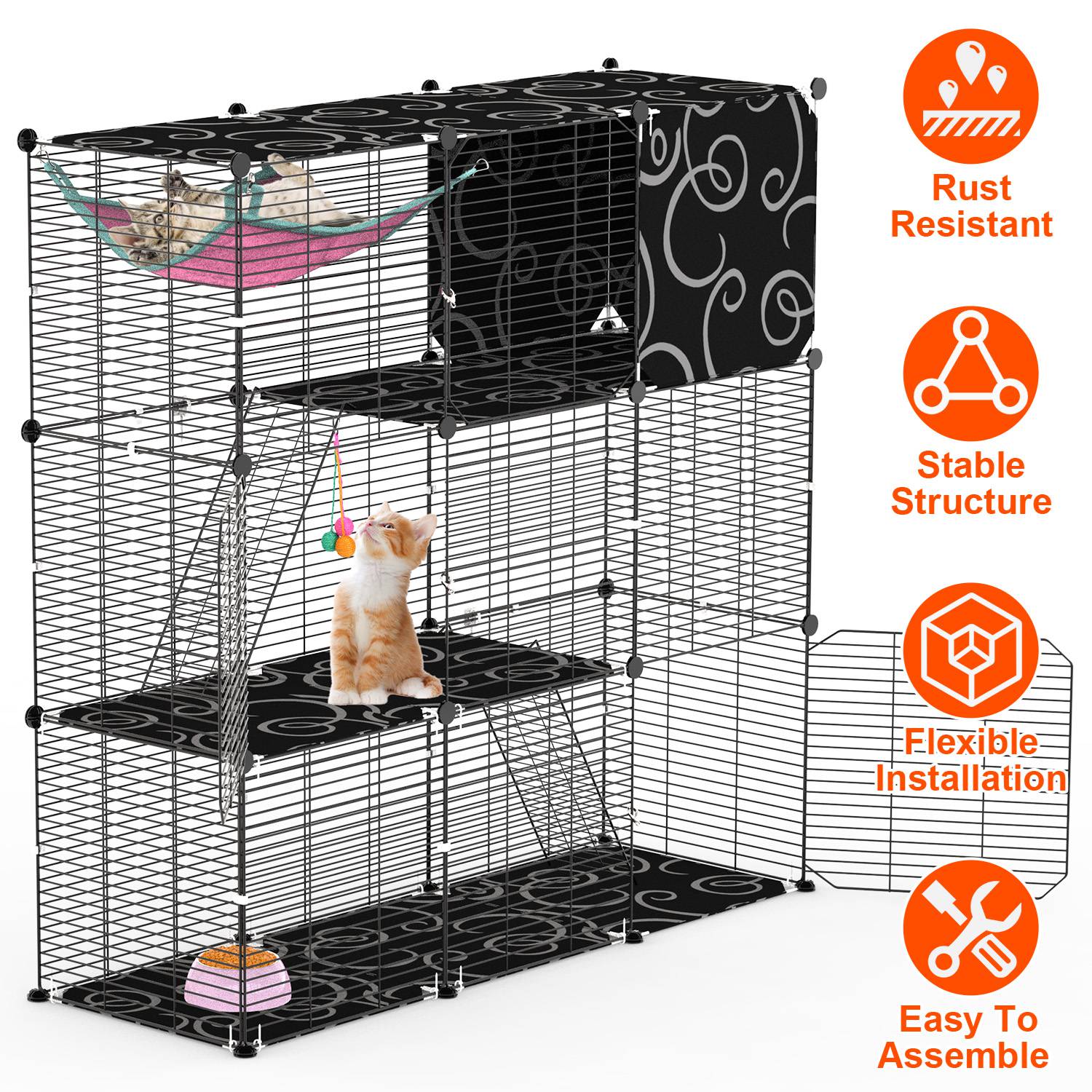 3-Tier Cat Cage Enclosure Indoor Cat Playpen With Hammock Toy Ball Ladder DIY Iron Wire Cat House Kennels Crate For 1-2 Cats Ferret Rabbit Small Animals$82.99View on Mallflare
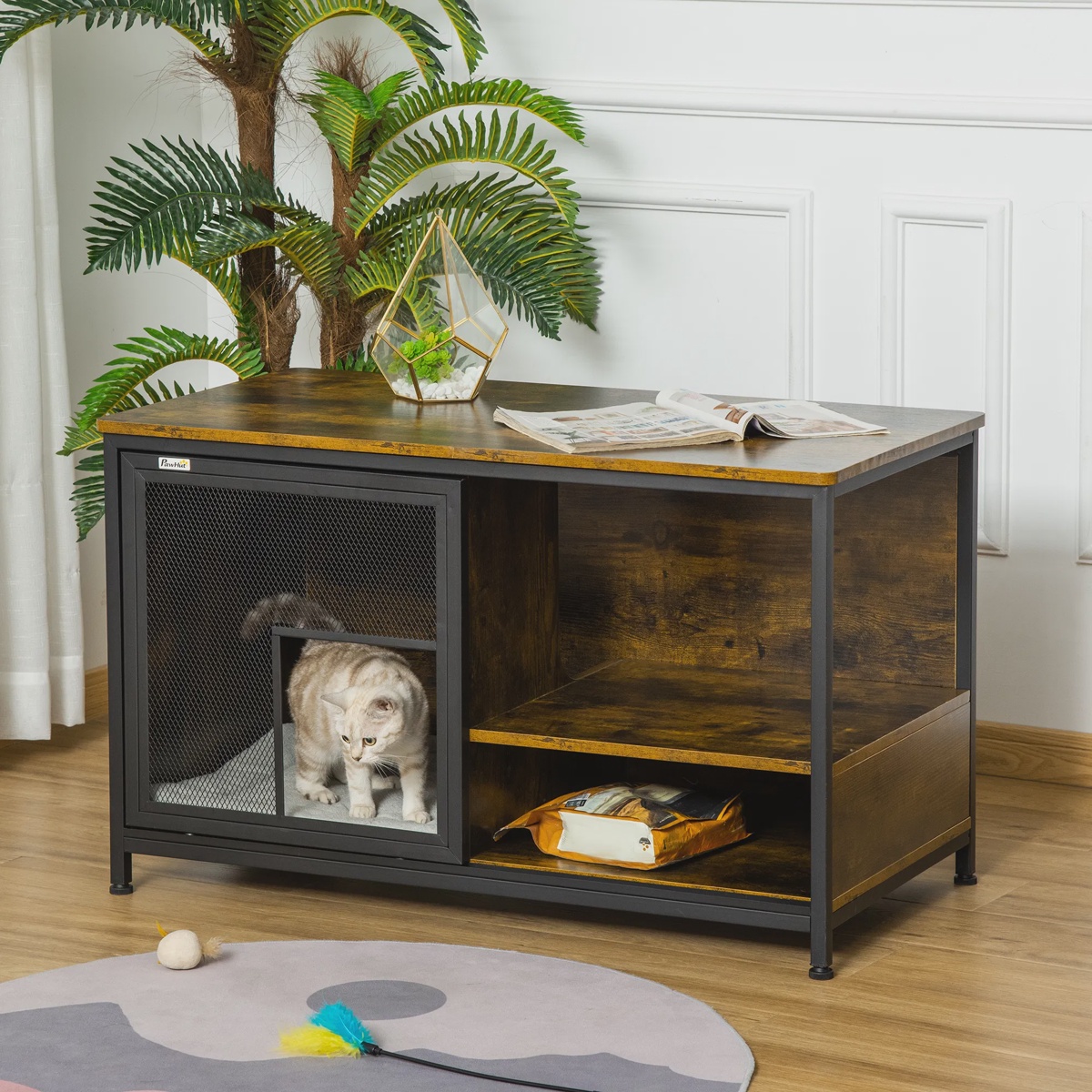 Wooden Cat Crate, Furniture Style Dog Cage, Puppy Kennel Indoor, End Table Pet House with Cushion and Sliding Doors, Rustic Brown$167.99View on Mallflare
Highlights
- Hard-shell carriers use molded PP or ABS with metal door latches; soft carriers use 600D-900D polyester or nylon over a wire frame — fabric flex is what lets soft carriers fail in cargo holds.
- Airline under-seat compliance depends on exterior dimensions, not internal volume: most major carriers target roughly 18 x 11 x 11 in soft-sided, while hard-shell cabin limits run closer to 17.5 x 12 x 7.5 in.
- Soft carriers must have a locking zipper (not a single slider) plus a safety tether clip; hard carriers must have a door that locks beyond the spring latch, since cats can pop single-spring doors.
- Crash-test standards matter for car use: a carrier rated to a harness or seatbelt system needs a metal frame or reinforced shell, and no soft-sided carrier passes a real crash test on fabric straps alone.
Best use cases
- Air travel under the seat: pick a soft-sided carrier with locking zippers, a removable rigid base board, and exterior dimensions at or under 18 x 11 x 11 in — skip any hard-shell unless the airline explicitly approves it in-cabin.
- Vet visits and car rides: choose a hard-shell carrier with a top-loading door and a seatbelt-routable handle or strap — skip soft carriers with only side entry, since top-loading reduces handling stress.
- Multi-cat or long-travel: use a soft carrier with a machine-washable liner and a load-bearing shoulder strap rated for the cat's weight plus carrier weight — skip expandable fabric carriers for cats over roughly 15 lb, as the wire frame bows.
- Backpack-style or hiking: pick a framed backpack carrier with a ventilated metal or hard-panel back and a waist belt — skip soft sling bags, which place the cat's weight on one shoulder and lack crush protection.
Buying tips
- Size by cat length plus 2-3 in: measure nose-to-tail-base and add 2-3 in for turnaround; cats need to stand and turn, so a carrier shorter than the cat's body length is a stress and safety failure.
- Weight rating means structure, not just fabric: soft carriers should be rated for at least 1.5x the cat's weight, and cats over 15 lb should move to a hard-shell or framed carrier.
- For air travel, confirm the carrier's exterior dimensions against the specific airline's under-seat limit — seat pitch and under-seat height vary, and a carrier that fits one cabin may not fit another.
- Zipper and latch quality is the durability metric: look for metal zipper pulls, double sliders, and a locking clip on hard-shell doors; plastic single-slider zippers are the most common failure point.
Specs
| Shell Type | Hard-shell PP/ABS vs soft 600D fabric |
|---|---|
| Airline Fit | Soft ~18x11x11 in under-seat |
| Entry Style | Top-load + front door vs front only |
| Weight Rating | Soft: 1.5x cat weight; hard: 20 lb+ |
Related searches
What to check before buying
- Measure your cat's nose-to-tail-base length and standing height, then add 2-3 in clearance in both directions before picking a size tier.
- For flights, confirm the carrier's exterior dimensions fit under the specific airline's seat, and check that the carrier is soft-sided if the under-seat height is tight.
- Check the carrier's load path: shoulder straps and handles should attach to the frame or base board, not only to fabric panels.
- Confirm the carrier has a locking zipper or door latch and a safety tether clip, and that the interior liner is removable and washable.
FAQ
Data sources: eBay / Amazon listings and product attribute feeds. Updated Nov 25, 2026.
Some links on this page are affiliate links. If you buy after clicking one, we may earn a commission at no extra cost to you. This does not change which products appear here or their order. Affiliate disclosure.