
Photos from current listings. Actual item, color, and included accessories may vary.
Bunny Cage Buying Guide
Bunny cages span three distinct architectures: open wire cages for indoor bonding, solid wood hutches for outdoor weather protection, and fabric playpens for temporary exercise. The core trade-off is wire gauge and predator-proof latching versus weatherproofing and chew-resistant solid panels; your climate and whether the rabbit lives indoors or out determines the correct tier before size matters.
Median $195.49
Key takeaways
- Indoor wire cages need 14-gauge or thicker galvanized mesh with 1-inch bar spacing; thinner 16-gauge hobby wire bows under a rabbit's weight and rusts at welds within a season.
- Outdoor hutches require solid fir or pine frames with asphalt-shingle or UV-panel roofs plus a raised floor; untreated MDF and particleboard swell and delaminate after one wet season.
- Two-story hutches add a ramp and upper deck but the usable floor area is the sum of both levels minus ramp footprint—a 2-story hutch is not double the single-level run space.
At a glance
- Category
- Pet Crates, Kennels & Playpens
- Last updated
- Nov 28, 2026
Current offers
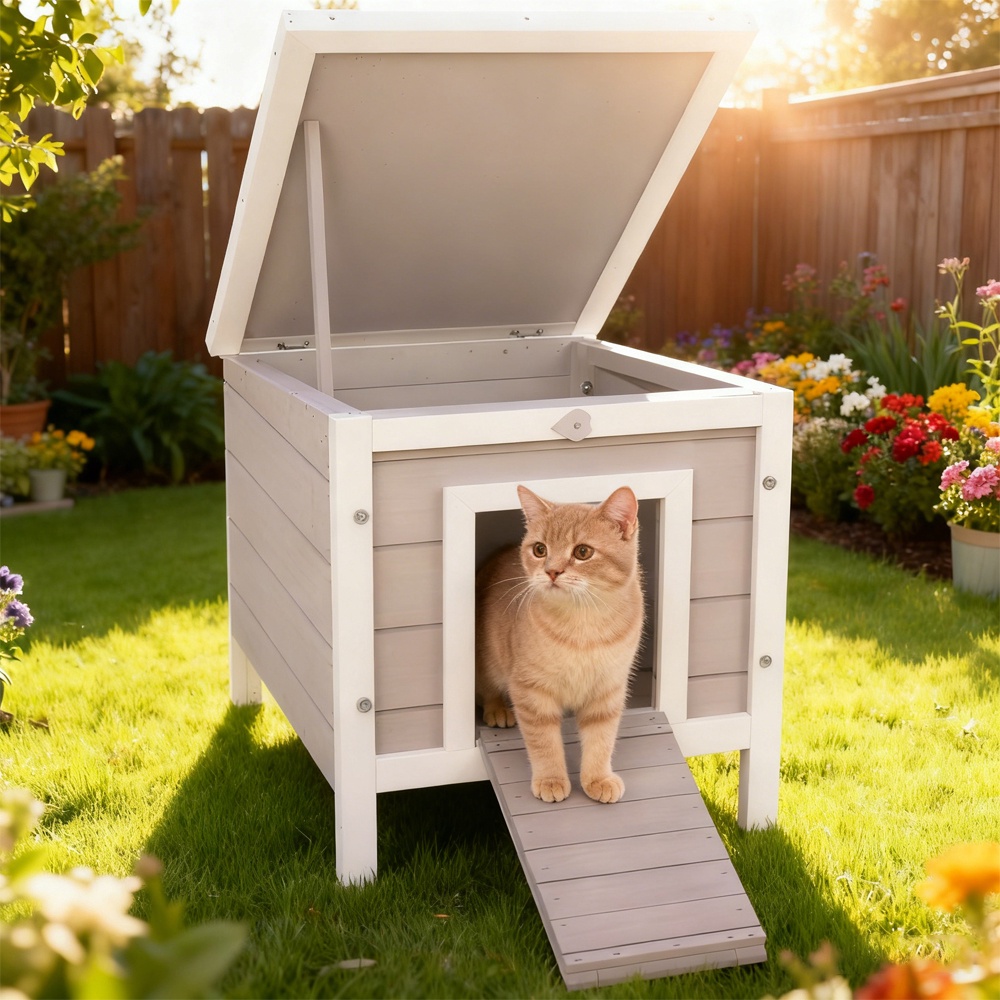 Small Wooden Rabbit Hutch Bunny Cage Guinea Pig Duck House Dog With Openable & Waterproof Roof, For Rabbits, Chickens, Ducks, Gray$59.99View on Mallflare
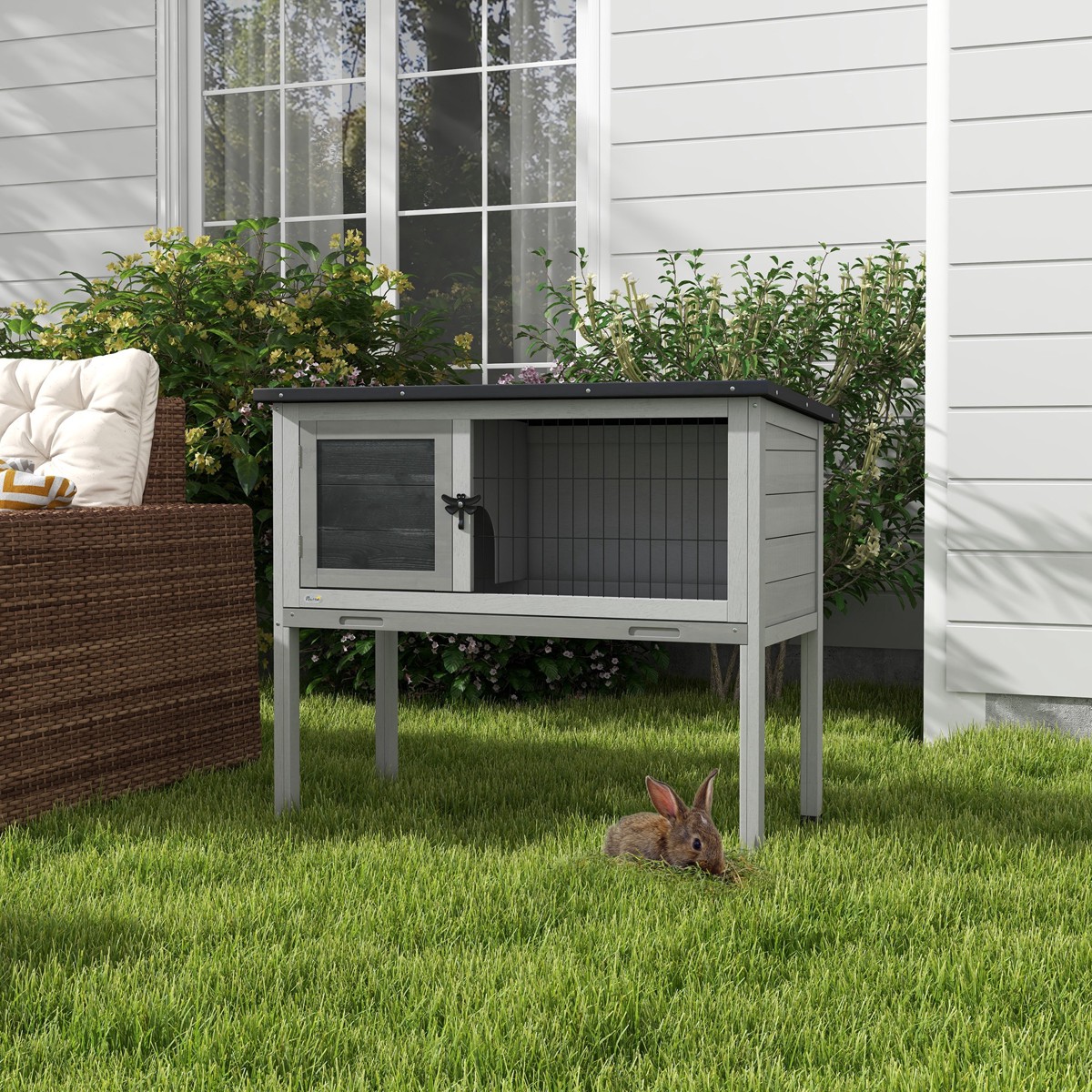 Elevated Rabbit Hutch, Wooden Bunny Cage with Hinged Asphalt Roof and Removable Tray, for Indoor/Outdoor, Gray$88.99View on Mallflare
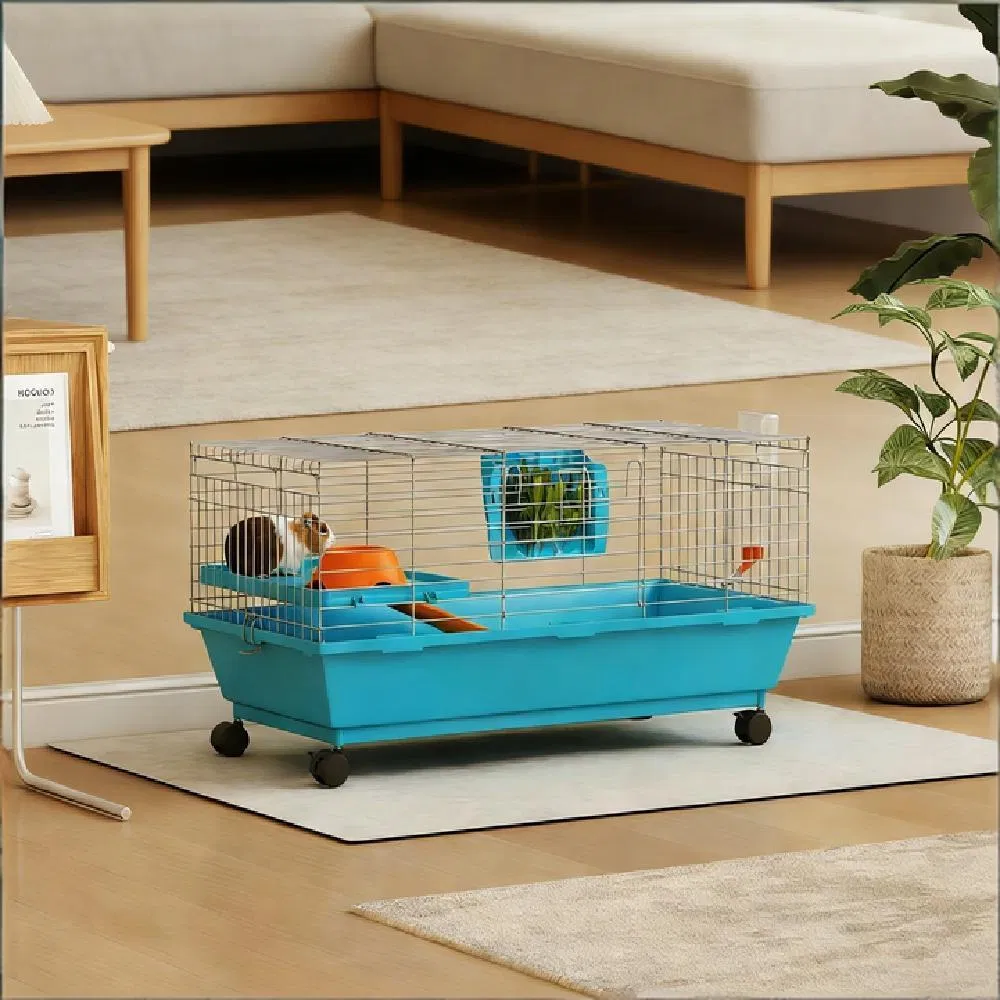 Small Animal Cage, Rolling Bunny Guinea Pig$132.99View on Mallflare
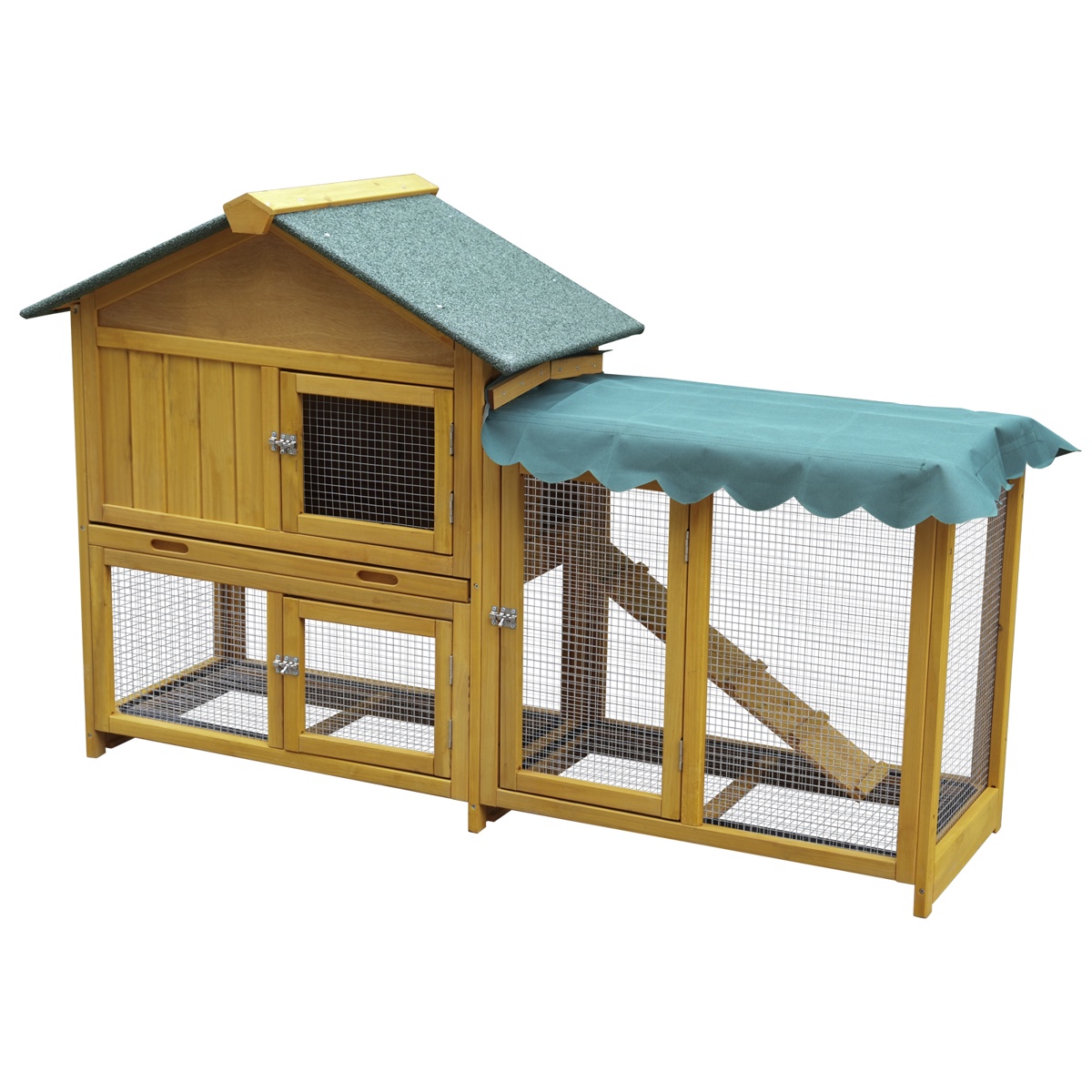 Rabbit Hutch, Indoor Bunny Cage, Outdoor Cages With Run, Pet House Deeper No Leak Tray, UV Panel, Removable Bottom Wire Mesh For Small Animals,Removable Waterproof And Sun Protection Cover$137.99View on Mallflare
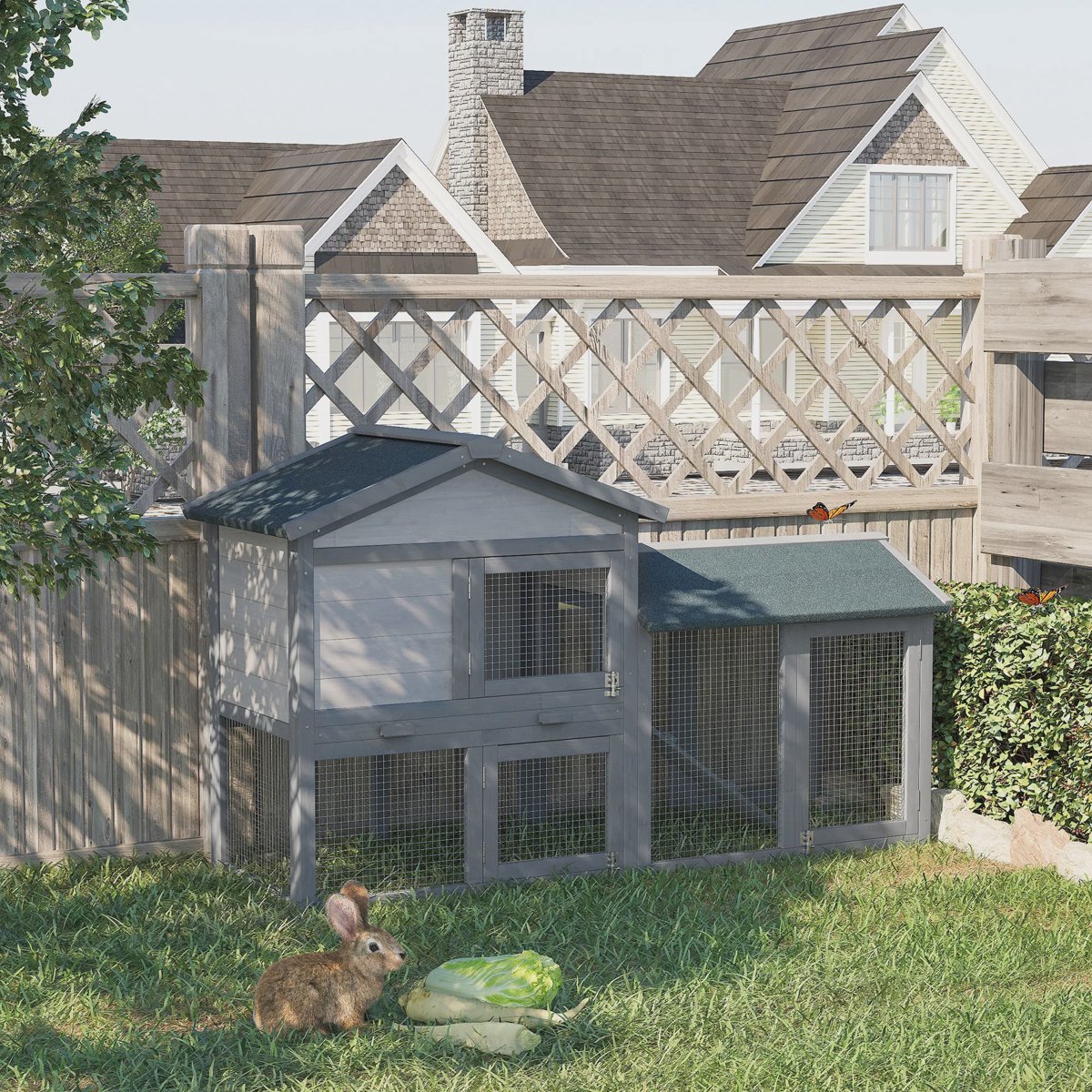 58" Large Rabbit Hutch Outdoor Indoor, Wooden Bunny Guinea Pig Cage with Run, Removable Tray, Asphalt Roof, Lockable Doors and Ramp, for 1-2 Small Rabbits, Dark Gray$176.99View on Mallflare
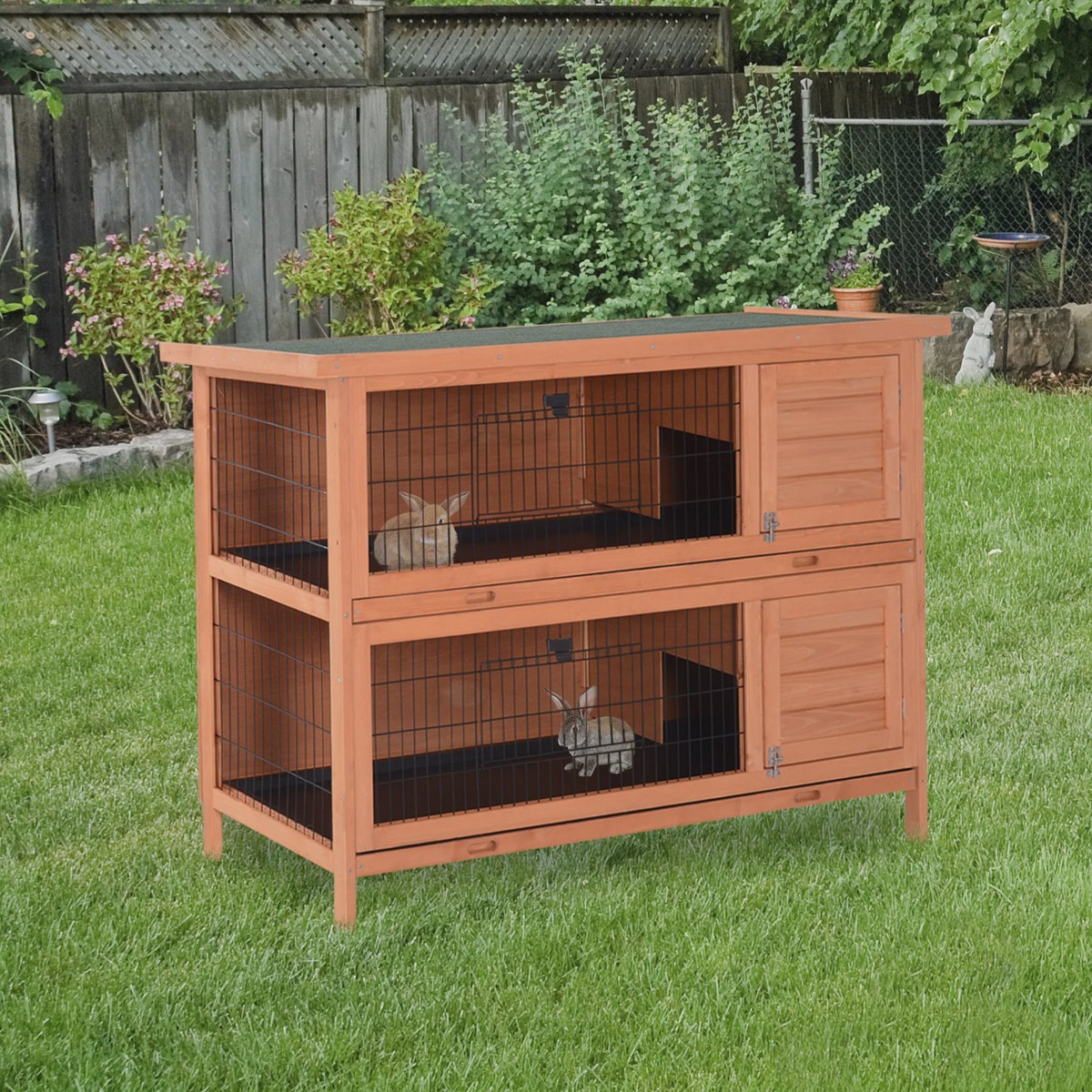 54" 2-Story Large Rabbit Hutch Bunny Cage Wooden Pet House Small Animal Habitat with Lockable Doors, No Leak Tray and Waterproof Roof for Outdoor/Indoor Natural$213.99View on Mallflare
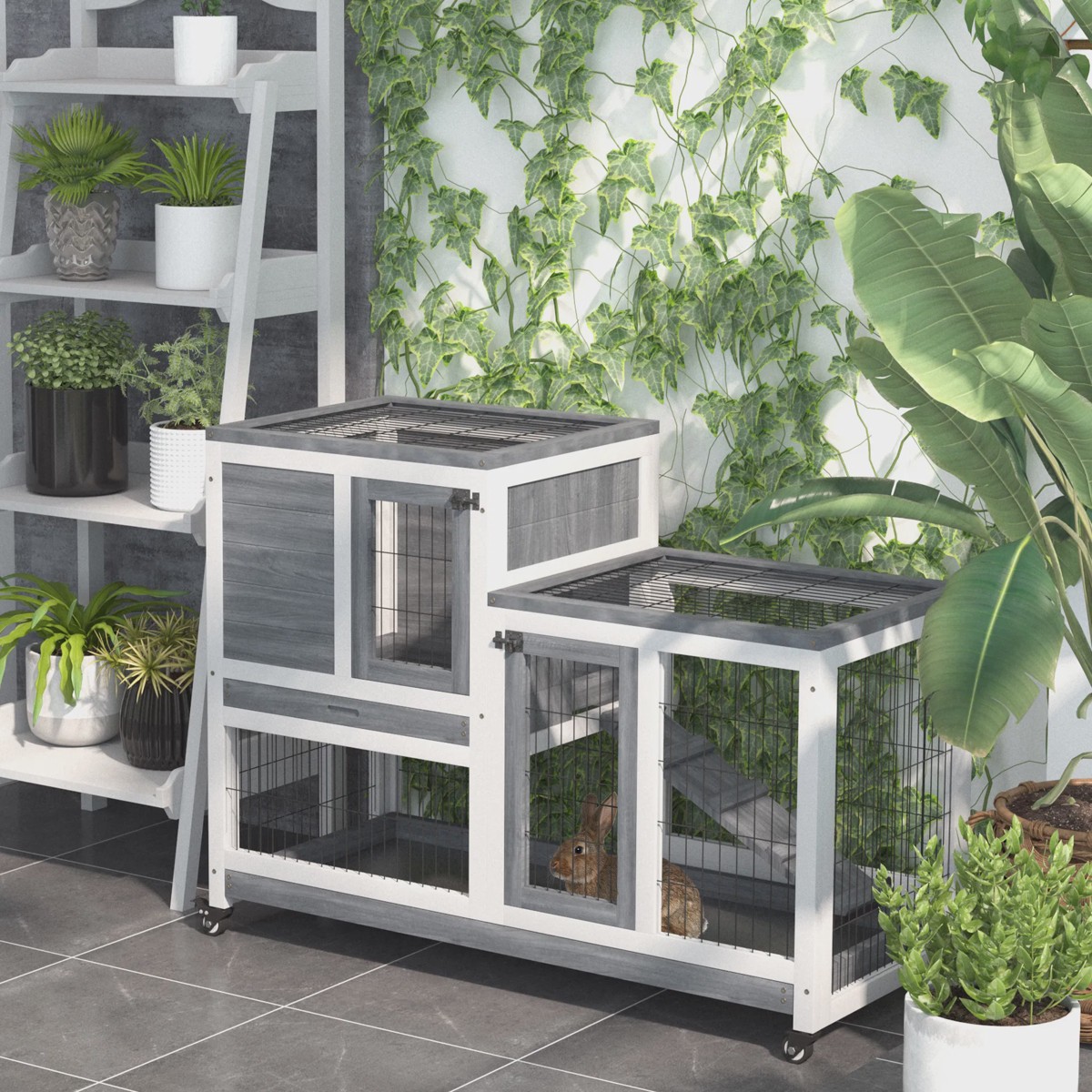 Wooden Rabbit Hutch Elevated Bunny Cage Indoor Small Animal Habitat with Enclosed Run Wheels, Ramp, Removable Tray Ideal for Guinea Pigs, Grey$239.99View on Mallflare
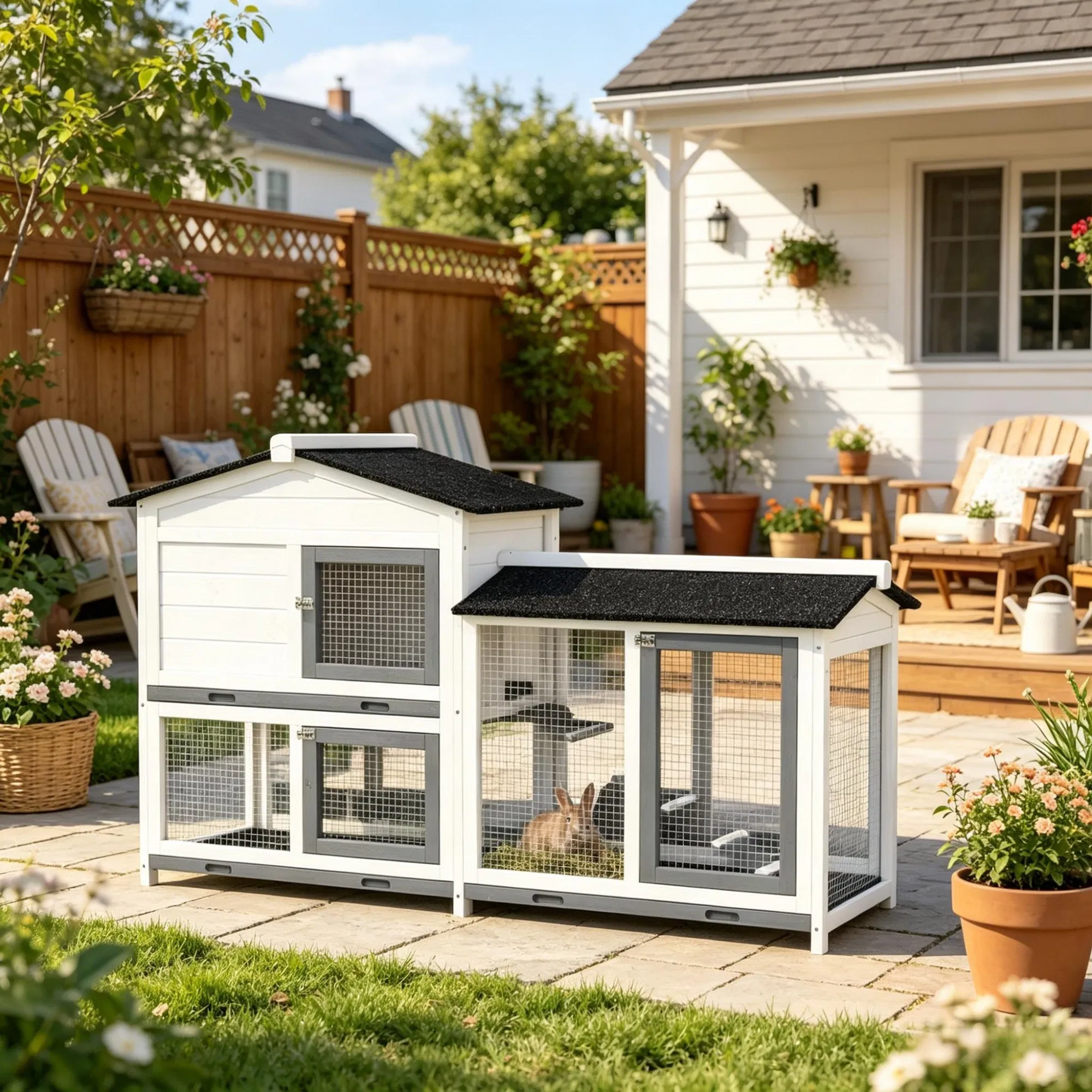 62" White Rabbit Hutch, Wooden Bunny Guinea Pig Cage, Small Animal Enclosure with Run Area, Removable Tray, Asphalt Roof, Lockable Doors and Ramp$249.99View on Mallflare
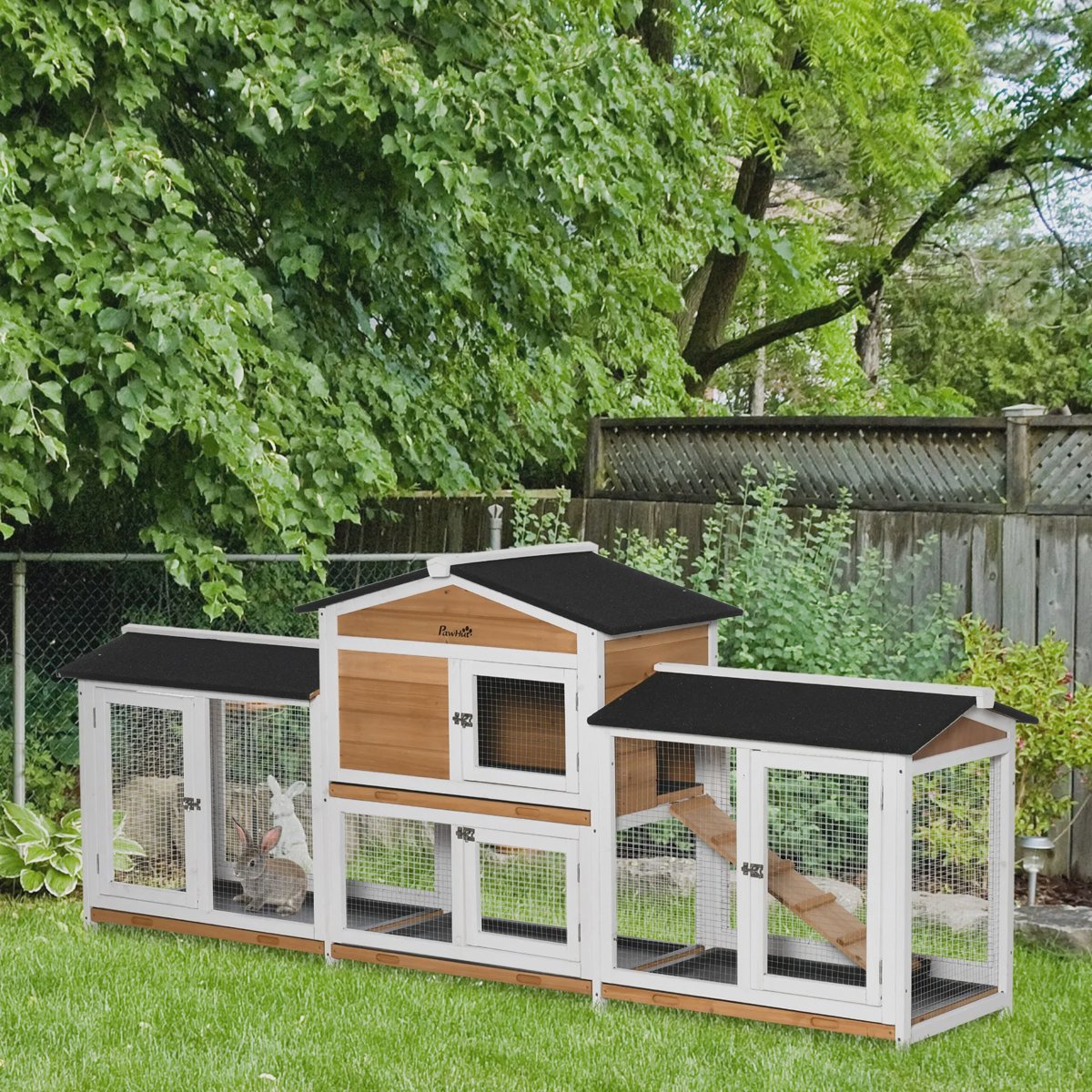 90.5" Wooden Rabbit Hutch Bunny Cage Pet Playpen House Enclosure with Double Side Run Boxes, No Leak Tray, Ramp, for Guinea Pig and Small Animals, White$281.99View on Mallflare
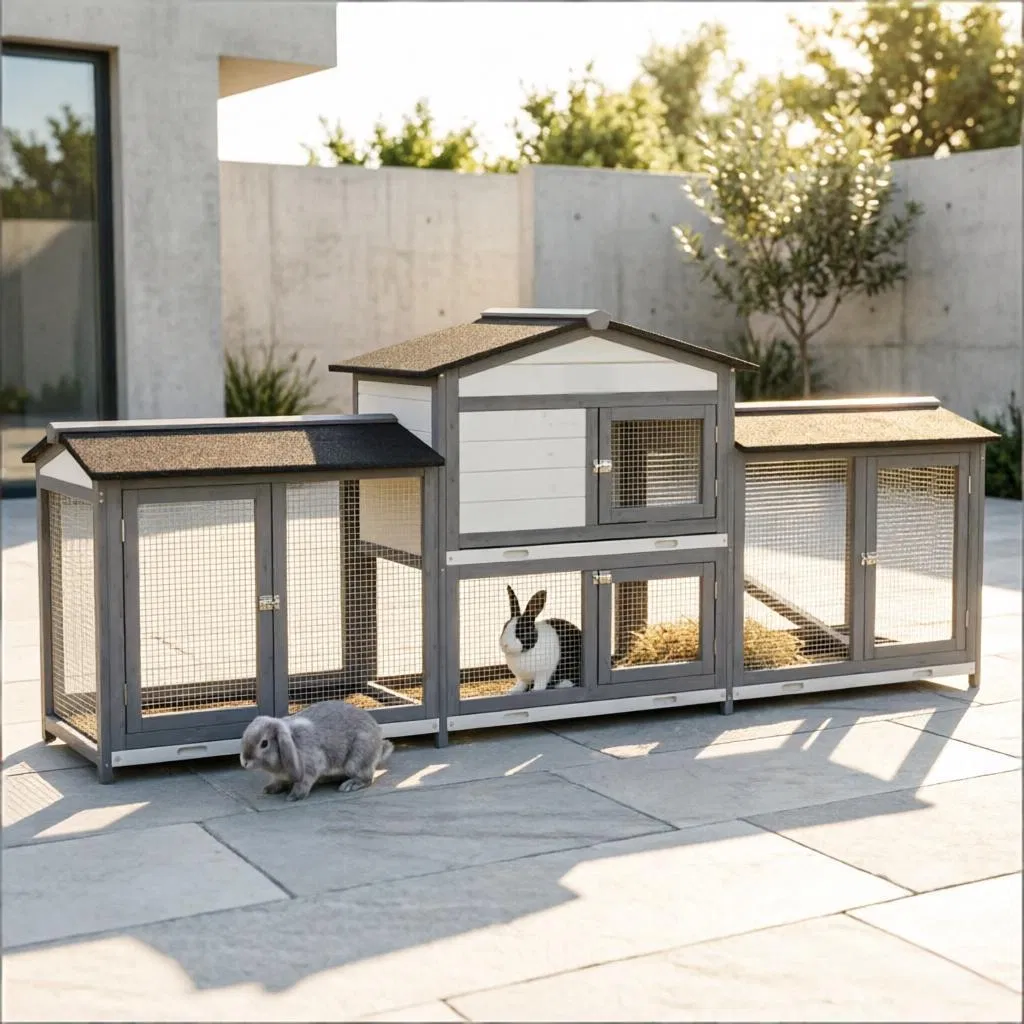 90.5 Inch Wooden Rabbit Hutch Light Gray Bunny Cage Playpen Pet House with Double Side Run Guinea Pig Chicken Duck Enclosure No Leak Tray And Ramp$301.99View on Mallflare
Highlights
- Indoor wire cages need 14-gauge or thicker galvanized mesh with 1-inch bar spacing; thinner 16-gauge hobby wire bows under a rabbit's weight and rusts at welds within a season.
- Outdoor hutches require solid fir or pine frames with asphalt-shingle or UV-panel roofs plus a raised floor; untreated MDF and particleboard swell and delaminate after one wet season.
- Two-story hutches add a ramp and upper deck but the usable floor area is the sum of both levels minus ramp footprint—a 2-story hutch is not double the single-level run space.
- Fabric playpens use 600D Oxford weave with reinforced seams; they are exercise enclosures only and cannot contain a determined chewer overnight without a wire frame insert.
Best use cases
- Indoor freestanding cage: pick a powder-coated wire cage with a slide-out tray and 1-inch mesh for a single rabbit in an apartment; skip wood hutches indoors because urine soak ruins sealed pine.
- Outdoor year-round housing: choose a raised solid-wood hutch with asphalt roof, lockable doors, and an attached run; skip open wire cages outdoors because rain, wind, and predators defeat them.
- Temporary exercise or travel: use a 600D fabric playpen with a zip top for supervised lawn time or hotel stays; skip it as a primary habitat because fabric seams fail against chewing.
- Multi-rabbit bonding: select a single-level wire cage with at least 12 square feet of floor and two doors; skip 2-story hutches for pairs because the ramp creates a bottleneck and a bullying chokepoint.
Buying tips
- Size by floor area, not cage length: a single rabbit needs 12 sq ft minimum, a bonded pair 24 sq ft; a 48-inch cage that is 24 inches deep gives only 8 sq ft and is undersized.
- Check bar spacing at 1 inch for adult rabbits and 0.5 inch for kits; wider spacing lets a rabbit squeeze its head through and strangle.
- For outdoor hutches, insist on a raised floor at least 4 inches off the ground and a removable metal drip tray; a floor resting on soil wicks moisture and rots within months.
- Verify latch type: outdoor hutches need slide-bolt or padlockable hasps, not simple hook-and-eye closures that raccoons and dogs can open.
Specs
| Primary Material | Galvanized wire / fir wood / 600D fabric |
|---|---|
| Floor Area (Single) | 12+ sq ft indoor, 24+ sq ft bonded pair |
| Bar Spacing | 1 in adult / 0.5 in kit |
| Outdoor Roof | Asphalt shingle or UV panel, 2 in overhang |
Related searches
What to check before buying
- Measure the intended footprint and door clearance: a 2-story hutch needs ceiling clearance for the upper level plus 6 inches of air gap above the roof for ventilation.
- For indoor placement, confirm the cage fits a standard doorway and that the slide-out tray clears your floor trim when pulled fully out.
- For outdoor use, confirm the hutch roof overhangs the sides by at least 2 inches and that the run attaches flush to the ground or a hard pad.
- Check that the wire mesh is galvanized or powder-coated before purchase; bare electroplated wire rusts at cut ends and weld points within one outdoor season.
FAQ
Data sources: eBay / Amazon listings and product attribute feeds. Updated Nov 28, 2026.
Some links on this page are affiliate links. If you buy after clicking one, we may earn a commission at no extra cost to you. This does not change which products appear here or their order. Affiliate disclosure.