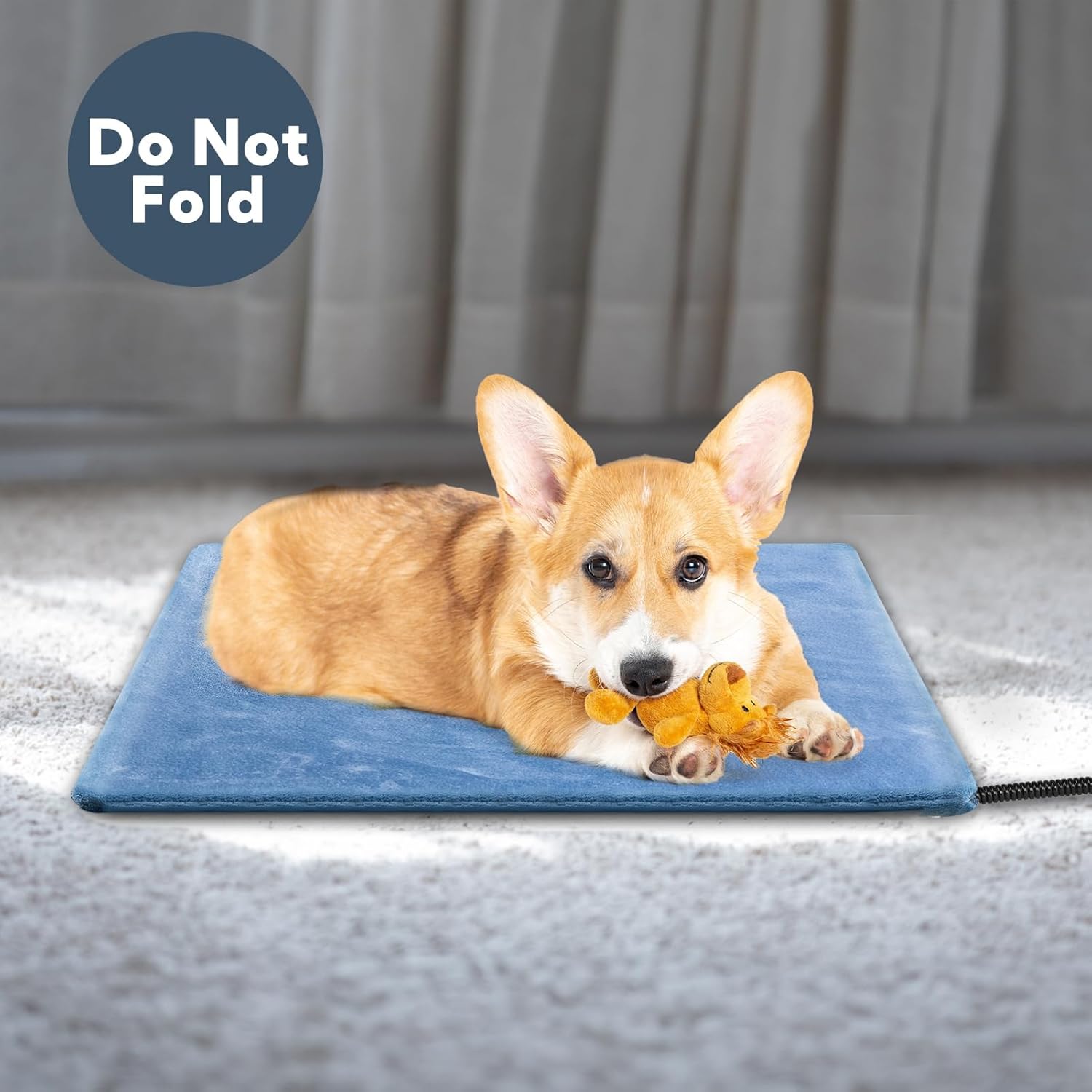

Photos from current listings. Actual item, color, and included accessories may vary.
Waterproof Outdoor Pet Heating Pad Buying Guide
A waterproof outdoor pet heating pad is a low-voltage radiant mat built to keep a pet warm in unheated spaces like garages, barns, porches, or kennels without becoming a shock or fire hazard. The core trade-off is between weather-sealed, chew-resistant construction and cheap vinyl mats that crack, leak, or overheat. The decision rule: buy only pads with an explicit IPX4 or higher rating, a chewed-cord guard, and a thermostat or fixed low-watt density — skip any mat that lists only 'plastic' without an ingress rating.
Key takeaways
- IP rating is the real durability divider: IPX4 handles splashes and damp floors, IPX7 survives brief immersion, and unrated 'waterproof' vinyl fails at seams within a season.
- Watt density drives safety: pads under 0.5 W per square inch stay below most pet skin-burn thresholds, while high-watt pads need an external thermostat to avoid hot spots.
- Chew-resistant cords use steel-braid or thick PVC overmolds at the plug and mat junction — the two points where 90% of cord failures and shocks occur.
At a glance
- Category
- Pet Beds & Cat Trees
- Last updated
- Nov 28, 2026
Current offers
Highlights
- IP rating is the real durability divider: IPX4 handles splashes and damp floors, IPX7 survives brief immersion, and unrated 'waterproof' vinyl fails at seams within a season.
- Watt density drives safety: pads under 0.5 W per square inch stay below most pet skin-burn thresholds, while high-watt pads need an external thermostat to avoid hot spots.
- Chew-resistant cords use steel-braid or thick PVC overmolds at the plug and mat junction — the two points where 90% of cord failures and shocks occur.
- Thermostat type matters: built-in fixed thermostats cap surface temperature around 100-102°F, while adjustable or dual-thermostat models let you match output to outdoor ambient swings.
Best use cases
- Best fit: unheated garage, barn, or covered porch — pick an IPX4+ pad with a fixed thermostat and steel-braided cord; skip open-air rain exposure and unrated mats.
- Best fit: senior or arthritic dog indoors on cold floors — choose a low-watt-density pad (under 0.5 W/sq in) with a washable cover; skip high-watt livestock pads that run too hot for direct skin contact.
- Best fit: outdoor cat shelter or insulated doghouse — use a pad sized to leave 2-3 inches of floor margin and pair with a thermostat; skip oversized pads that bunch and create chewable folds.
- Wrong fit: puppies or heavy chewers without supervision — even chew-resistant cords are not chew-proof; choose a cordless or low-voltage 12V pad instead of a 120V mat.
Buying tips
- Match pad size to the pet's resting footprint plus 2-3 inches: a 48×24 in pad suits large-breed dogs or multi-cat shelters, while 18×24 in fits cats and small dogs.
- Confirm the plug and voltage standard for your region — North American pads are 120V/60Hz; EU/UK buyers need 230V-compatible models or a proper step-down transformer.
- Look for a UL or ETL listing on the pad or controller; unlisted heating pads are the most common cause of pet-mat electrical failures.
- Choose a removable, machine-washable cover or a wipe-clean PVC shell — sealed seams and waterproof zippers extend life in damp outdoor use.
Specs
| Ingress Rating | IPX4 splash to IPX7 immersion |
|---|---|
| Watt Density | 0.3-0.5 W/sq in safe range |
| Thermostat Type | Fixed 100-102°F vs adjustable |
| Cord Protection | Steel-braid or PVC chew guard |
Related searches
What to check before buying
- Measure the pet's lying area and the shelter floor: pad should cover no more than 60-70% of the floor so the pet can move off the heat.
- Check the power source distance: most pads include a 6-10 ft cord; confirm an outdoor-rated GFCI outlet is within reach or use a weatherproof extension.
- Verify ambient limits: most outdoor pads are rated for temperatures above 0°F (-18°C); below that, choose an insulated shelter or a higher-watt pad with thermostat.
- Confirm the surface the pad sits on — concrete wicks heat away, so place a foam or rubber insulating layer under the pad for outdoor use.
FAQ
Data sources: eBay / Amazon listings and product attribute feeds. Updated Nov 28, 2026.
Some links on this page are affiliate links. If you buy after clicking one, we may earn a commission at no extra cost to you. This does not change which products appear here or their order. Affiliate disclosure.