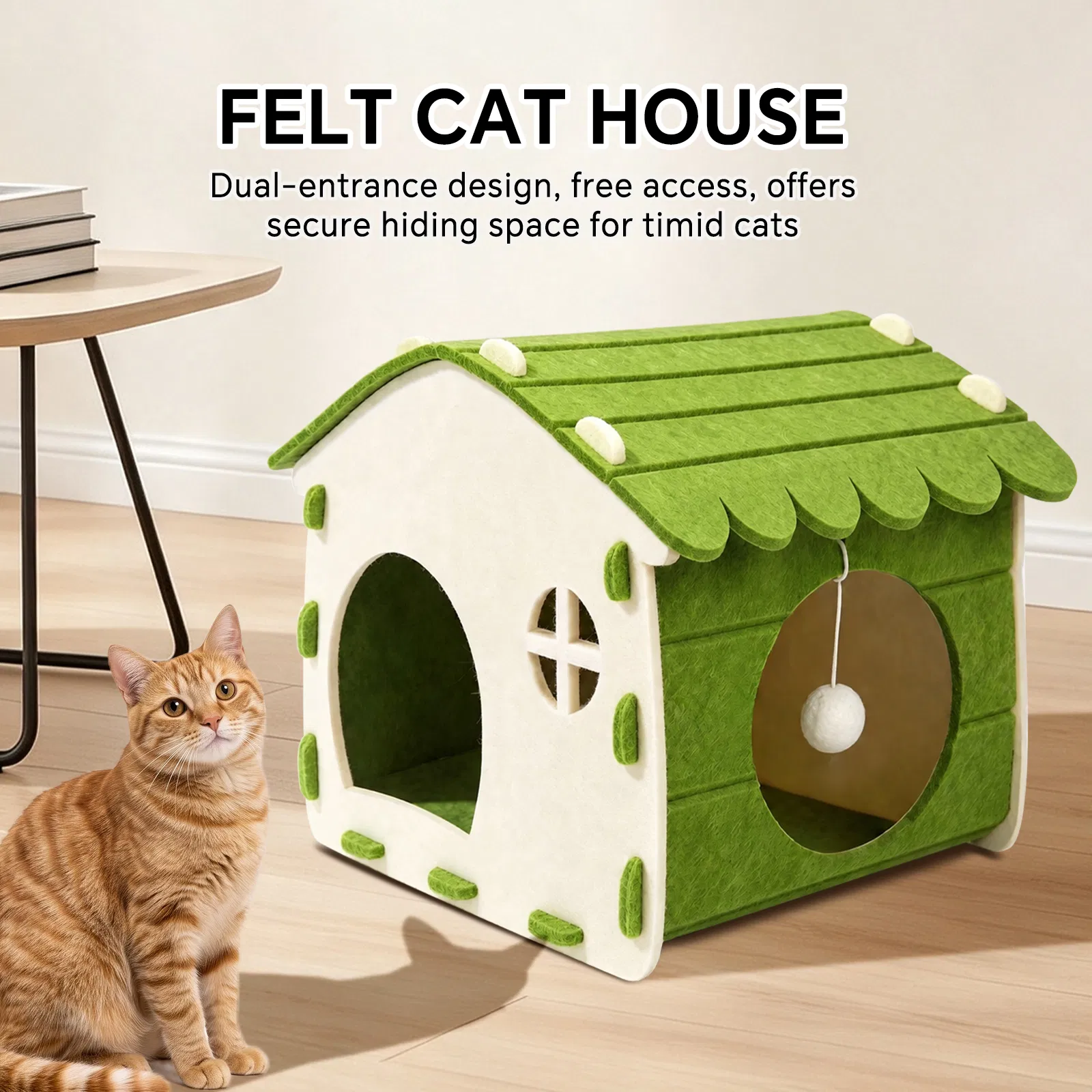

Photos from current listings. Actual item, color, and included accessories may vary.
Warm Cat Bed Buying Guide
A warm cat bed is a heated or insulated rest surface that helps cats retain body heat, with the primary trade-off being active electric heating (fast, consistent warmth, but cord-dependent) versus passive insulation (safe, cordless, but reliant on the cat's own body heat and room temperature). Durable options use chew-resistant cords, waterproof heating elements, and removable washable covers, while compromises skimp on thermostat safety, use non-washable shells, or rely on thin fleece that compresses flat and loses loft.
Key takeaways
- Active heated beds use either low-voltage DC (12V/24V via adapter, safer for chewers) or line-voltage AC with a built-in thermostat; passive beds rely on reflective liners, foam density (≥25 kg/m³), or hollow-fiber fill for loft retention.
- Heating-element safety hinges on UL/ETL listing for the whole bed and a chew-resistant cord (metal braid or thick PVC), not just the plug; unlisted beds may lack thermal cutoffs and overheat when bedding bunches.
- Cover materials determine washability and warmth: removable, machine-washable plush or fleece covers (≥300 GSM) retain heat after washing, while bonded or glued shells degrade and mat after a few cycles.
At a glance
- Category
- Pet Beds & Cat Trees
- Last updated
- Nov 28, 2026
Current offers
Highlights
- Active heated beds use either low-voltage DC (12V/24V via adapter, safer for chewers) or line-voltage AC with a built-in thermostat; passive beds rely on reflective liners, foam density (≥25 kg/m³), or hollow-fiber fill for loft retention.
- Heating-element safety hinges on UL/ETL listing for the whole bed and a chew-resistant cord (metal braid or thick PVC), not just the plug; unlisted beds may lack thermal cutoffs and overheat when bedding bunches.
- Cover materials determine washability and warmth: removable, machine-washable plush or fleece covers (≥300 GSM) retain heat after washing, while bonded or glued shells degrade and mat after a few cycles.
- Passive warm beds are graded by insulation type—self-warming mylar/reflective layers reflect body heat, while felt or wool caves trap ambient warmth; neither adds heat, so room temperature below ~18°C (65°F) makes them ineffective for thin-coated or senior cats.
Best use cases
- Best fit for senior, arthritic, or thin-coated cats in cool rooms: choose a UL/ETL-listed active heated bed with a chew-resistant cord and removable washable cover; skip passive fleece blankets that compress and lose loft.
- Best fit for kittens, chewers, or cord-free zones (e.g., near curtains or in crates): pick a self-warming reflective pad or a felt cave with a mylar layer; skip any line-voltage electric bed unless the cord can be routed fully out of reach.
- Best fit for multi-cat homes or large breeds: choose an oversized passive cave (felt or foam-walled) or a large heated mat (≥45×60 cm) with a low-wattage thermostat; skip small 30 cm round beds that force cats to spill over the edge.
Buying tips
- Measure your cat nose-to-tail-base and add 15–20 cm; a bed shorter than the cat's body length leaves the head or hips exposed and defeats the purpose of a warm bed.
- For electric beds, match wattage to size: small beds (≤40 cm) typically draw 4–10 W, medium/large 10–20 W; higher wattage without a thermostat risks hot spots, while low wattage in a large bed under-warms.
- Prefer covers that are removable and machine-washable at 30–40°C; check the closure (zipper or velcro) and that the heating element is sealed and waterproof so washing the cover doesn't expose wiring.
- For passive beds, look for fill density and loft: hollow-fiber or foam walls ≥3 cm thick hold shape, while loose fleece or thin felt (≤2 mm) mats and loses insulation after weeks of use.
Specs
| Heat Source | Active electric vs passive reflective |
|---|---|
| Power & Safety | 12-24V DC / AC, UL-ETL listed |
| Cover Washability | Removable, machine-washable ≥300 GSM |
| Insulation Type | Mylar reflective / foam / felt cave |
Related searches
What to check before buying
- Room temperature: passive beds only work when ambient is comfortably warm (above ~18°C/65°F); below that, choose an active heated bed or add a self-warming mylar layer.
- Power and cord routing: confirm a nearby outlet and a path where the cord cannot be chewed or tripped on; choose low-voltage DC or a chew-resistant cord if the cat is a known chewer.
- Bed footprint vs. furniture: measure the intended spot (sofa, windowsill, floor corner) and ensure the bed's base and any cave opening fit without blocking walkways or radiator vents.
- Washability and allergy: confirm the cover is removable and washable and the fill is sealed; for dust-sensitive cats, avoid open-cell foam that traps dander and choose wipeable or zippered shells.
FAQ
Data sources: eBay / Amazon listings and product attribute feeds. Updated Nov 28, 2026.
Some links on this page are affiliate links. If you buy after clicking one, we may earn a commission at no extra cost to you. This does not change which products appear here or their order. Affiliate disclosure.