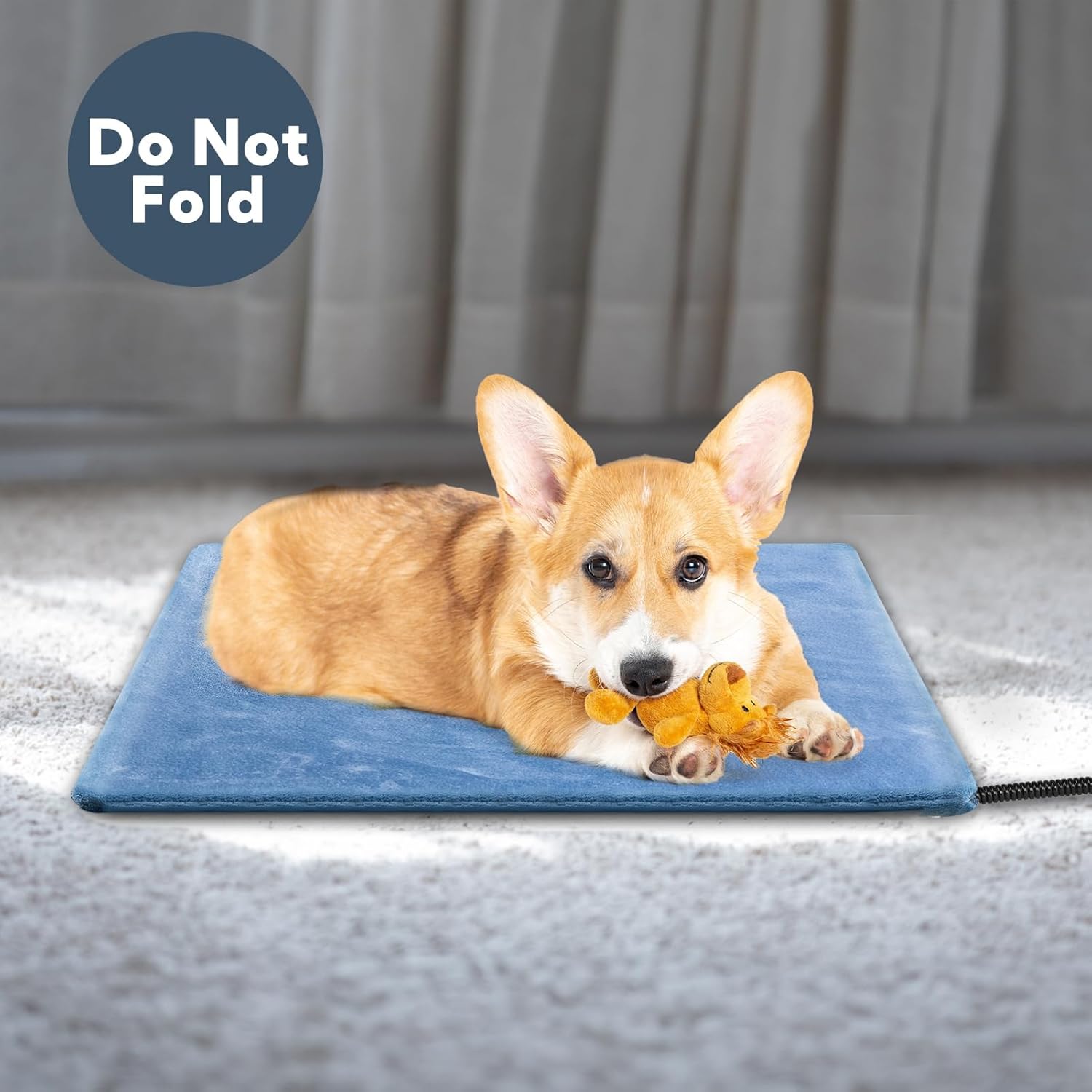

Photos from current listings. Actual item, color, and included accessories may vary.
Outdoor Pet Heating Pad Buying Guide
Outdoor pet heating pads are weather-resistant warmed beds that keep outdoor cats, dogs, and barn animals comfortable in cold conditions. The core trade-off is between waterproof/chew-resistant construction and safe, thermostatically controlled low-voltage heat. Choose a pad with an IP-rated sealed cover, a chew-resistant cord, and a thermostat or self-regulating element; skip unsealed plastic pads with exposed wiring.
Key takeaways
- Heated pads use either resistive wire elements or self-regulating carbon film; carbon film is more durable and less prone to hot spots.
- Outdoor-safe pads require a waterproof rating of IPX4 or higher and a chew-resistant cord or armored cable.
- Thermostatic control (built-in or inline) prevents overheating and is essential for unattended outdoor use.
At a glance
- Category
- Pet Beds & Cat Trees
- Last updated
- Nov 28, 2026
Current offers
Highlights
- Heated pads use either resistive wire elements or self-regulating carbon film; carbon film is more durable and less prone to hot spots.
- Outdoor-safe pads require a waterproof rating of IPX4 or higher and a chew-resistant cord or armored cable.
- Thermostatic control (built-in or inline) prevents overheating and is essential for unattended outdoor use.
- Low-voltage DC (12V or 24V) pads are safer for outdoor and chewing-prone pets than 120V AC models.
Best use cases
- Best fit: a covered porch or barn with a 12V/24V outdoor outlet—pick a low-voltage pad with IPX4+ cover and chew-resistant cord.
- Wrong fit: open, rain-exposed areas—skip any pad not rated for direct water contact; use a heated mat inside a waterproof shelter instead.
- Best fit: indoor crates or cat beds near a window—choose a standard 120V pad with a removable washable cover and chew-resistant cord.
- Wrong fit: pets that chew aggressively—skip corded pads entirely and use a self-warming (non-electric) bed or a low-voltage pad with armored cable.
Buying tips
- Match pad size to pet length plus 6–8 inches: a 48×24 in pad suits medium dogs or multiple cats; smaller 18×18 in pads suit single cats.
- Choose a pad with a UL-listed or ETL-listed heating element and a fused plug for electrical safety.
- For outdoor use, select a pad with a detachable chew-resistant cord and an IPX4 or higher waterproof cover.
- Prefer thermostatically controlled pads (built-in thermostat or self-regulating film) over constant-on models to avoid overheating.
Specs
| Power Source | 120V AC vs 12V/24V DC low-voltage |
|---|---|
| Waterproof Rating | IPX4 splash to IPX6+ outdoor |
| Heating Control | Thermostatic vs constant-on |
| Cord Safety | Chew-resistant / armored vs standard |
Related searches
What to check before buying
- Measure your pet’s length and width; add 6–8 inches to each dimension for the pad size.
- Confirm the outdoor location has a GFCI-protected outlet within cord reach or plan for a low-voltage extension.
- Check the pad’s cover is removable and washable; verify the waterproof rating (IPX4 minimum for outdoor).
- Ensure the pad’s cord is chew-resistant or armored if your pet is a chewer; otherwise choose a cordless self-warming bed.
FAQ
Data sources: eBay / Amazon listings and product attribute feeds. Updated Nov 28, 2026.
Some links on this page are affiliate links. If you buy after clicking one, we may earn a commission at no extra cost to you. This does not change which products appear here or their order. Affiliate disclosure.