
Photos from current listings. Actual item, color, and included accessories may vary.
Feral Cat House Buying Guide
A feral cat house is an outdoor shelter designed to keep unowned or community cats warm, dry, and safe through winter. The core trade-off is insulation versus ventilation: sealed heated boxes retain warmth but trap moisture, while open unheated shelters stay dry but offer little thermal protection. The decision rule is simple: choose a raised, insulated, two-door wooden shelter with a heating pad on a thermostatic controller for sub-freezing climates, and skip thin fabric or single-door plastic houses that condense moisture and block escape routes.
Median $126.99
Key takeaways
- Two-door design (front entry plus rear escape) is the single most important safety feature; it prevents a cat from being cornered by predators inside the shelter.
- Elevated floors 3-6 inches above ground with a waterproof asphalt or metal roof keep bedding dry; ground-contact plywood wicks moisture and rots within one season.
- Rigid foam board insulation (1-2 inch EPS or XPS) in floor, walls, and ceiling is the effective standard; uninsulated wood provides almost no R-value and heated pads alone cannot compensate.
At a glance
- Category
- Pet Beds & Cat Trees
- Last updated
- Nov 27, 2026
Current offers
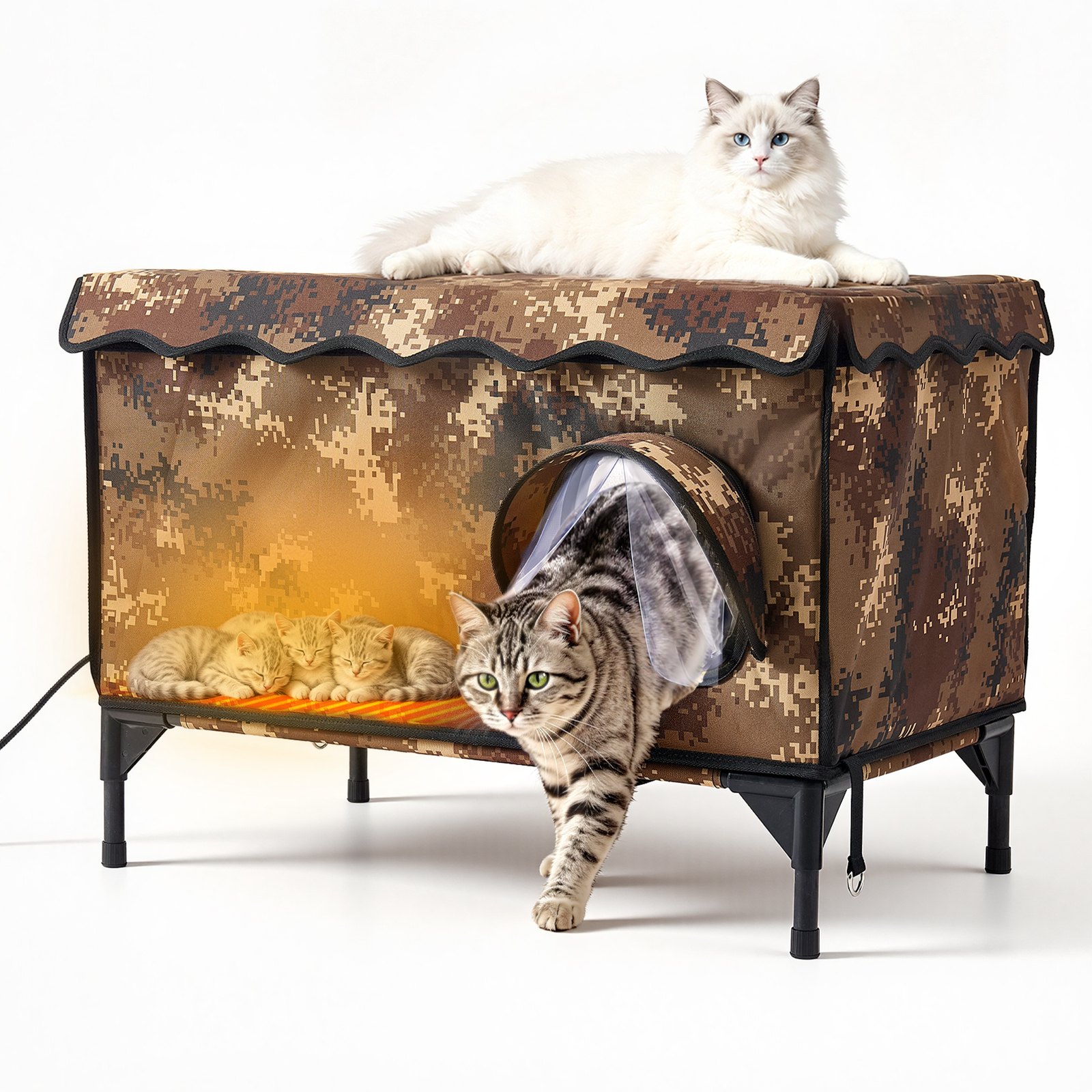 Elevated Heated Cat House 25.4W Insulated Shelter with Pad, for Indoor Outdoor Winter Use, 2-Door & Private Side Curtain, Waterproof Weatherproof Stray Feral Kitty for Outside$92.99View on Mallflare
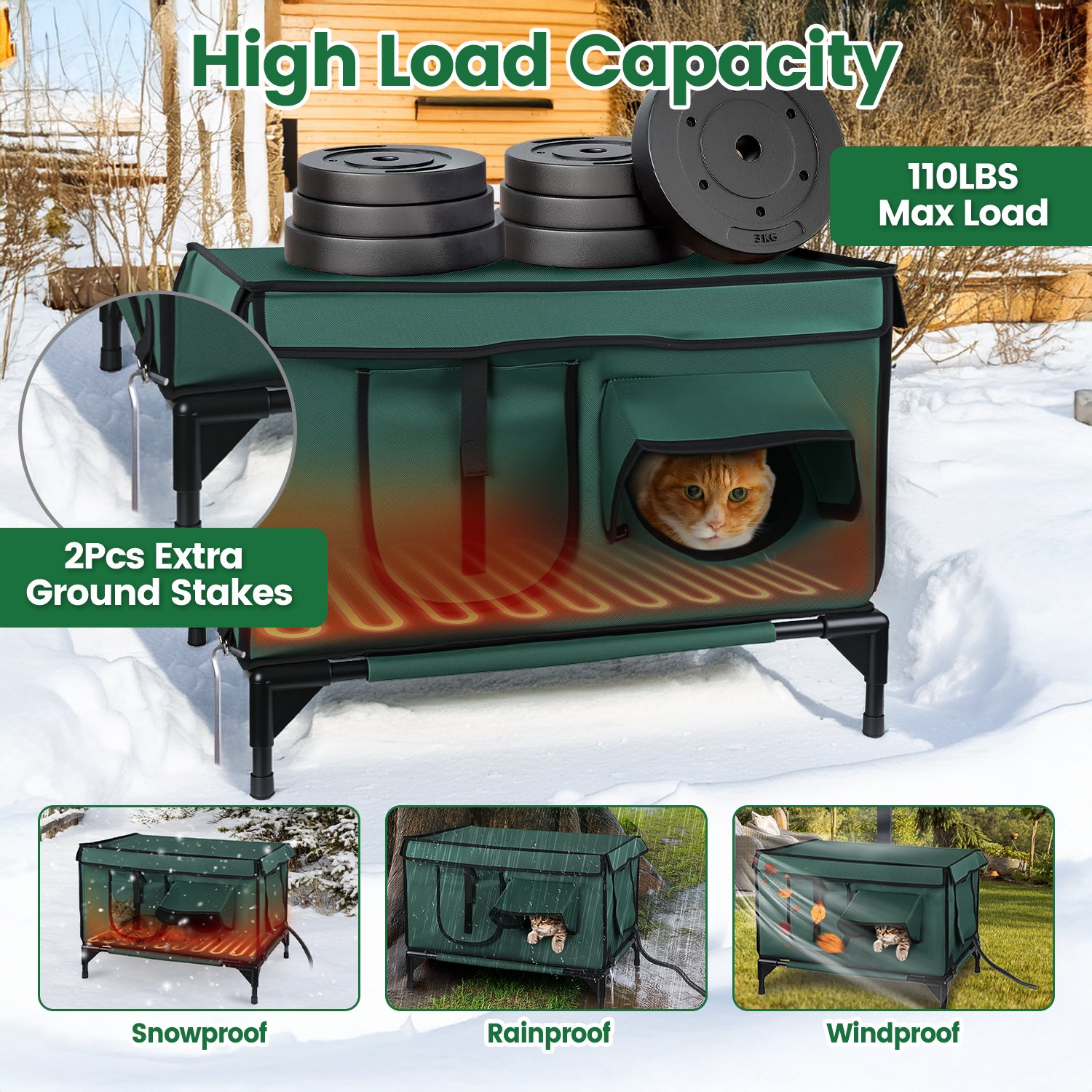 1Pc Waterproof Heated Cat House Outdoor Weatherproof Insulated Kitty Shelter Feral Cat Heating Bed With Pad Anti-Chew Cord 2 Doors 3 Windows For Indoors Outdoors Winter Summer$117.99View on Mallflare
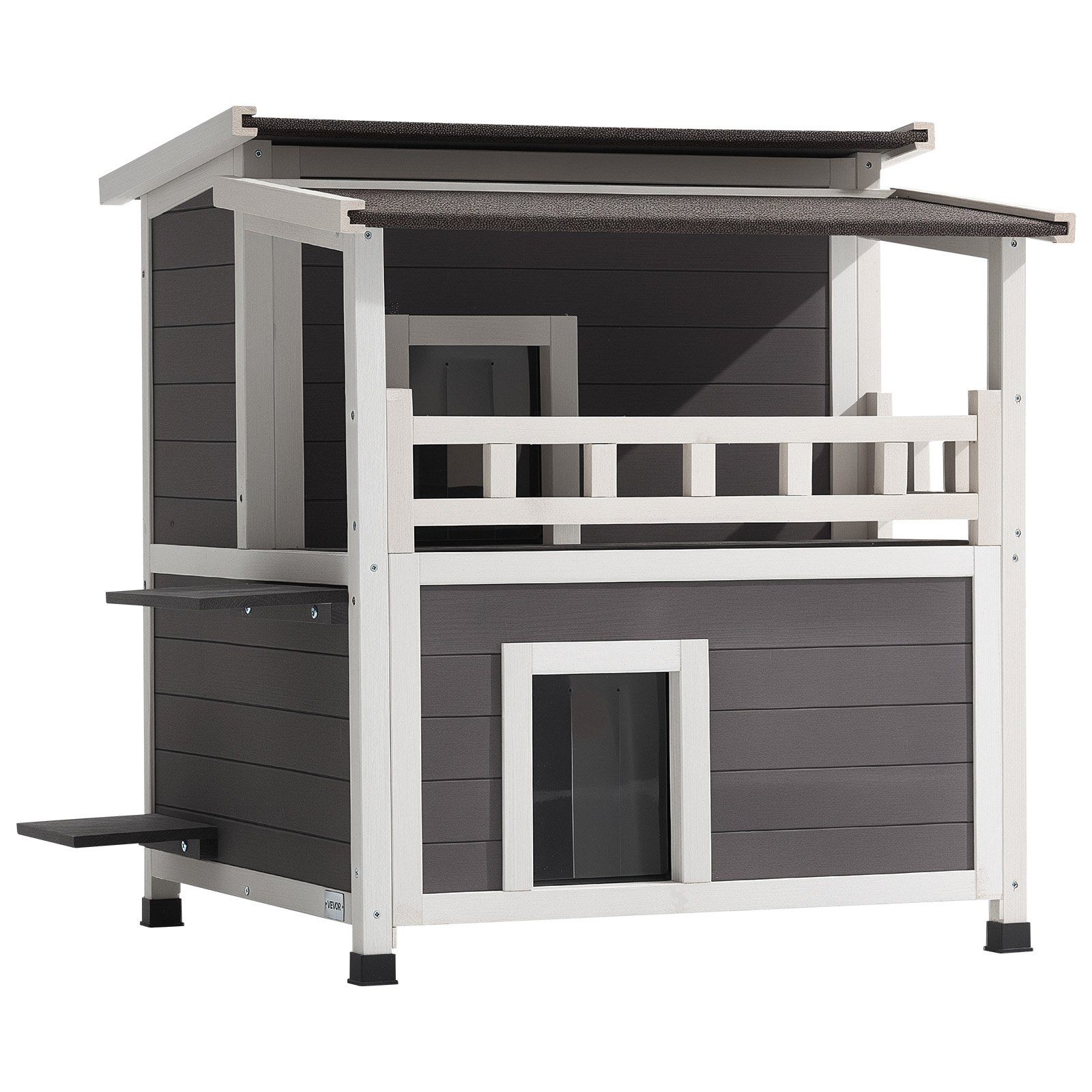 Insulated Cat House, 2-Story Wooden Cat Shelter, Foam Insulation, Feral Kitty With Balcony, Waterproof Cats Condos For Indoor & Outdoor 1-3 In Winter 33 X 29.5 X 32 In$119.99View on Mallflare
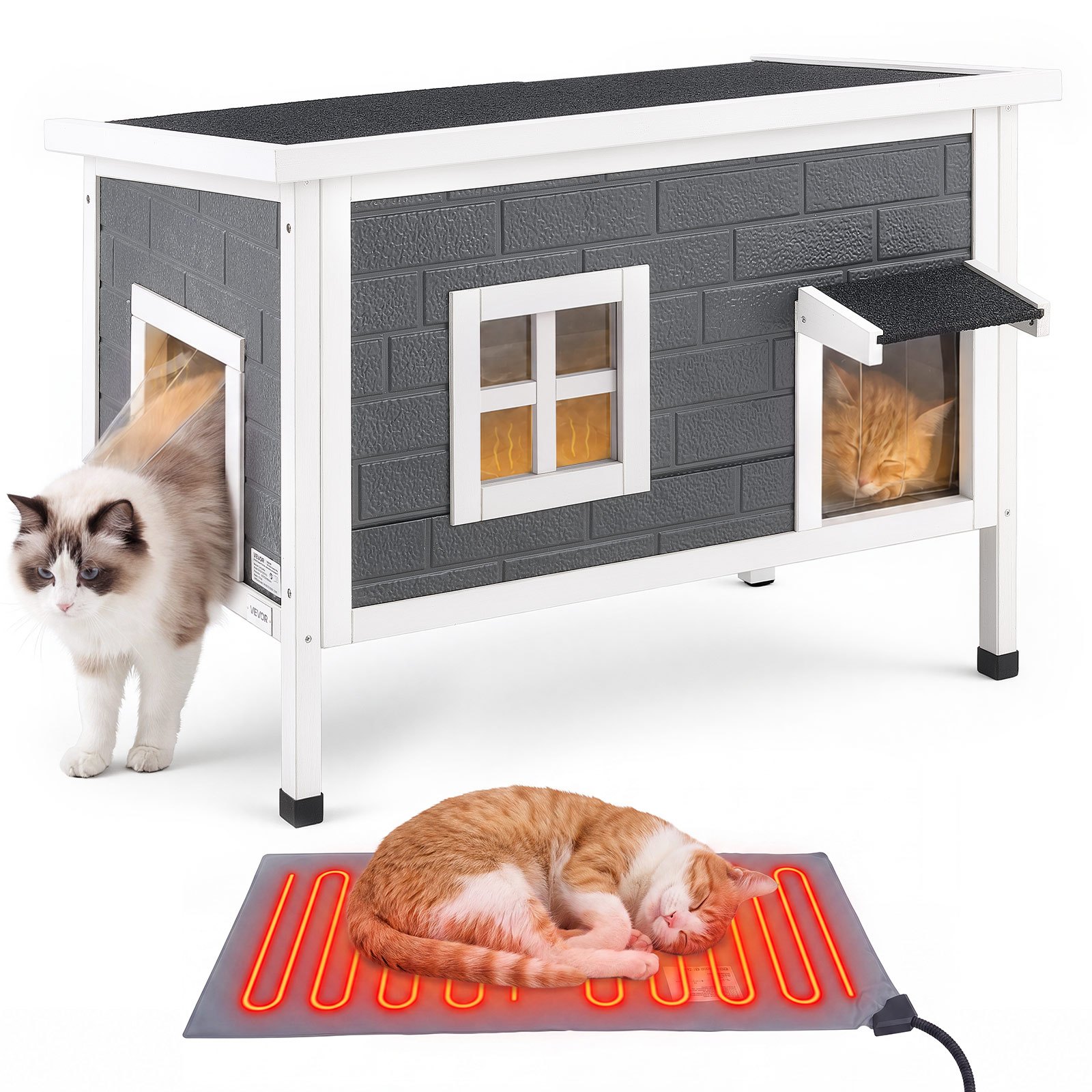 Heated Outdoor Cat House for 1-3 Cats Feral Shelter with Heating Pad, for Outside Winter, Large Weatherproof Windproof Insulated Wooden Home, Waterproof Asphalt Roof, Escape Door & PVC Curtain$123.99View on Mallflare
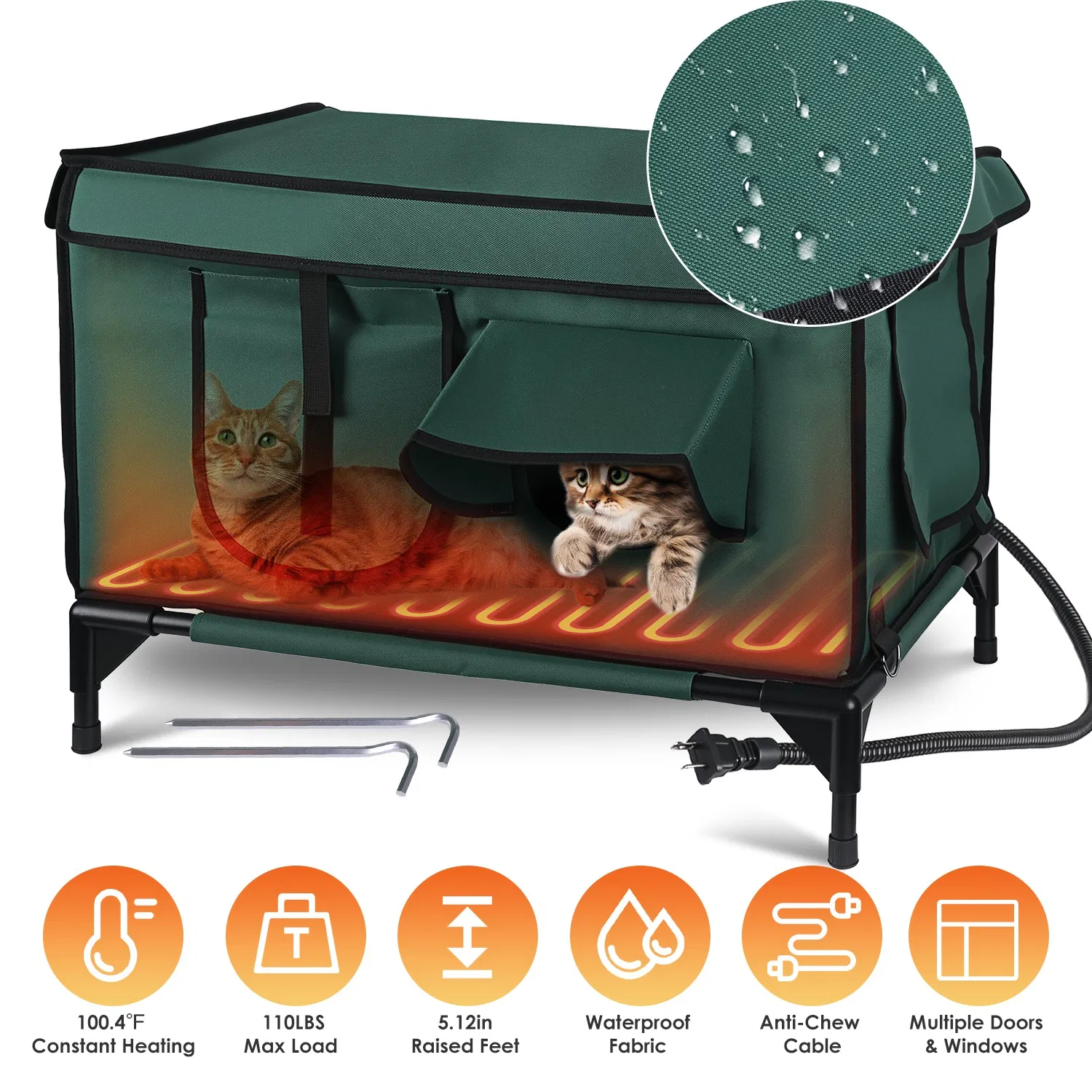 Waterproof Heated Cat House Outdoor Weatherproof Insulated Kitty Shelter Feral Cat Heating Bed with Pad Anti-Chew Cord 2 Doors 3 Windows for Indoors Outdoors Winter Summer$126.99View on Mallflare
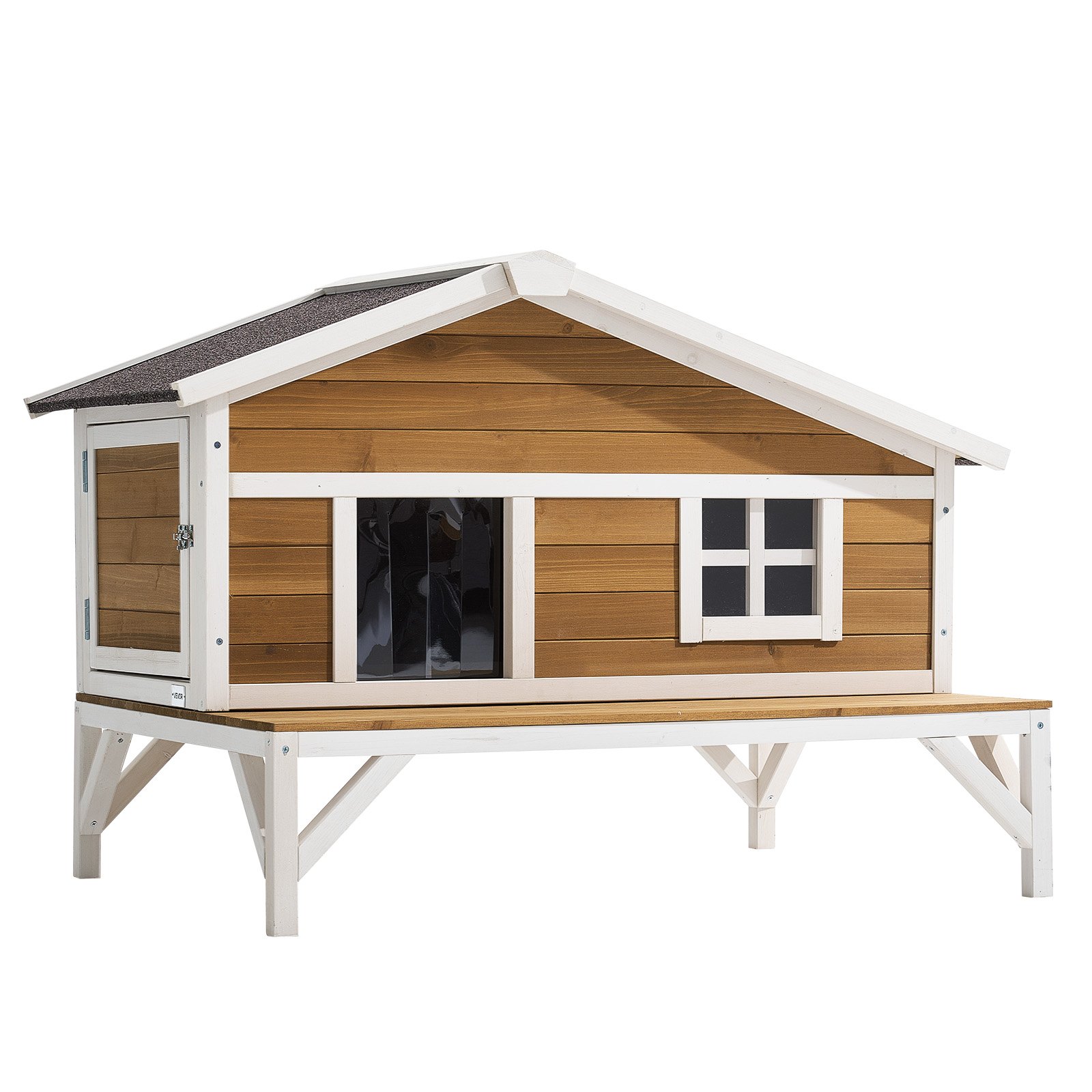 Insulated Cat House, All-Around Foam Insulation Elevated Cat Shelter, Wooden Feral Kitty With Large Platform, Waterproof Cats Condos For Indoor & Outdoor In Winter 43.5x33.5x31 In$153.99View on Mallflare
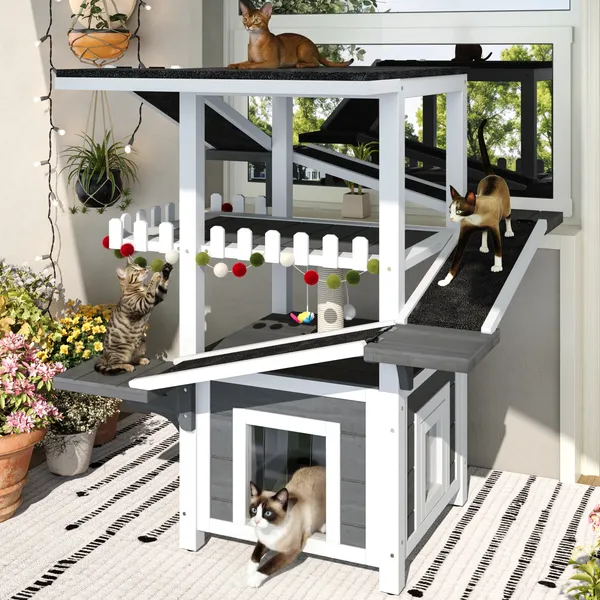 4 Tiers Outdoor Cat House Weatherproof Cat Tree Tower With Waterproof Roof And 2 Doors , Feral Cat Shelter Outside Enclosure, Multi-Level Play Zones Balcony, For Small Animals, Grey & White$177.99View on Mallflare
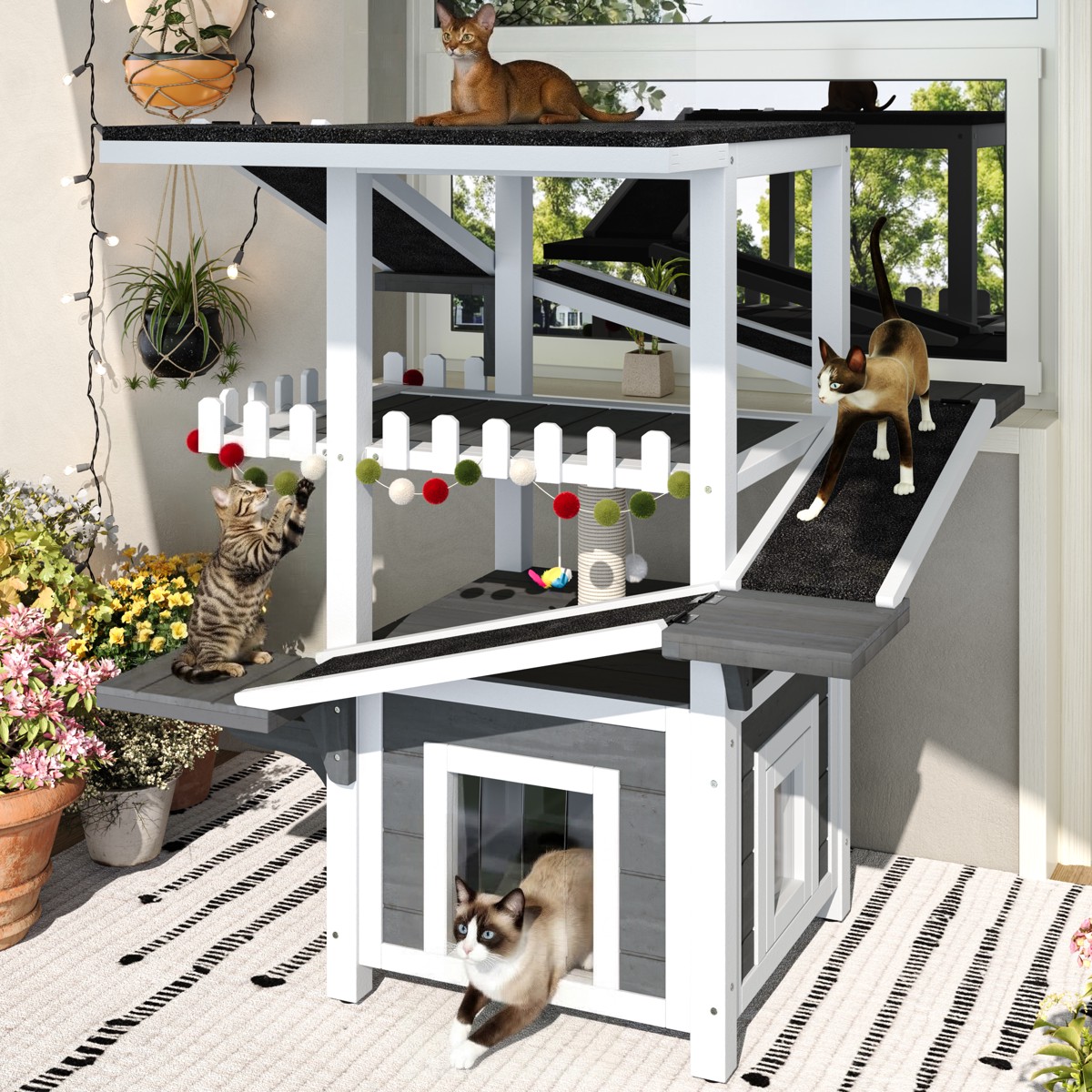 4 Tiers Outdoor Cat House Weatherproof Cat Tree Tower with Waterproof Roof and 2 Doors , Feral Cat Shelter Outside Enclosure, Multi-Level Play Zones Balcony, for Small Animals, Grey+ White$237.99View on Mallflare
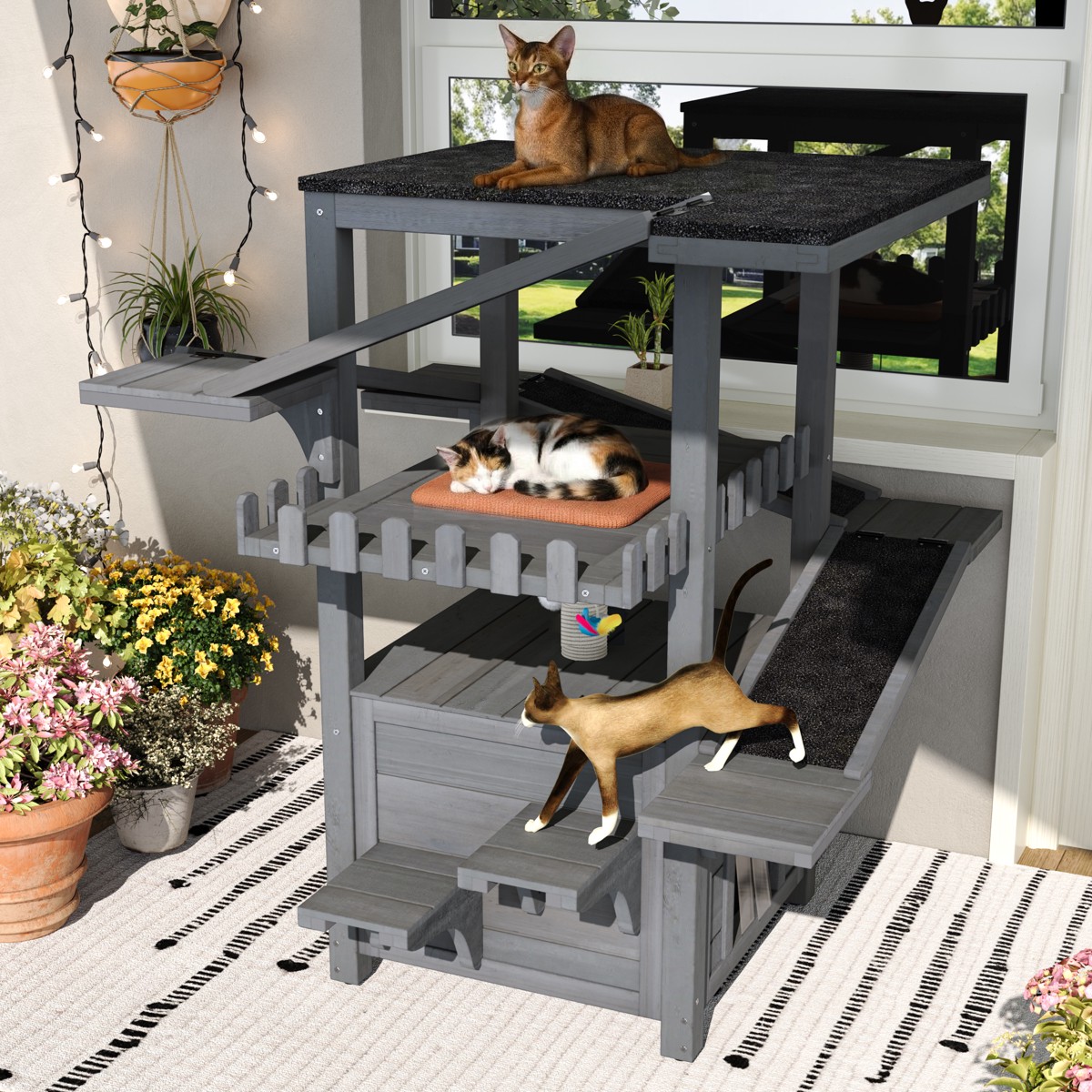 4 Tiers Outdoor Cat House Weatherproof Cat Tree Tower with Waterproof Roof and 2 Doors , Feral Cat Shelter Outside Enclosure, Multi-Level Play Zones Balcony, for Small Animals, Grey$237.99View on Mallflare
Highlights
- Two-door design (front entry plus rear escape) is the single most important safety feature; it prevents a cat from being cornered by predators inside the shelter.
- Elevated floors 3-6 inches above ground with a waterproof asphalt or metal roof keep bedding dry; ground-contact plywood wicks moisture and rots within one season.
- Rigid foam board insulation (1-2 inch EPS or XPS) in floor, walls, and ceiling is the effective standard; uninsulated wood provides almost no R-value and heated pads alone cannot compensate.
- Heated pads must be metered to roughly 25W for a single-cat shelter with a thermostatic on/off control; unregulated pads overheat and anti-chew cords are required for outdoor safety.
Best use cases
- Sub-freezing winters (below 20°F): pick a raised wooden shelter with full foam insulation, a 25W thermostatic heating pad, and a PVC strip curtain over the door; skip unheated plastic or fabric houses.
- Mild wet winters (30-45°F): an insulated but unheated two-door wooden house with dry straw bedding is sufficient and safer than a constantly powered pad; skip heated models to avoid damp overheating.
- Colony of 2-3 cats: choose a multi-cat insulated shelter sized 33 x 29.5 x 32 inches or larger with two exits; skip single-cat cubbies, which force crowding and block escape routes.
- Indoor/outdoor porch or garage use: an elevated wooden condo with balcony and waterproof roof works year-round; skip open cat-tree towers that offer no enclosed thermal shelter.
Buying tips
- Size the interior so a cat can turn around and lie stretched out: at least 18 x 22 inches of floor per adult cat, with ceiling height of 14-16 inches; add 30% floor area for each additional cat.
- Demand 1-inch or thicker rigid foam insulation in floor, four walls, and ceiling; thin foil bubble wrap alone is not sufficient below freezing.
- Match the heating pad to the shelter volume: 20-25W for a single-cat house, 40-60W for a two-cat insulated shelter; always require a chew-resistant cord and a thermostat.
- Choose wood grades rated for exterior use (cedar, pine sealed with pet-safe stain, or exterior plywood); untreated MDF or particleboard swells and fails after rain exposure.
Specs
| Insulation | 1-2 in rigid foam (EPS/XPS) |
|---|---|
| Heating | 20-60W thermostatic pad, anti-chew cord |
| Doors | Two (front entry + escape) |
| Elevation | 3-6 in raised floor, overhang roof |
Related searches
What to check before buying
- Measure the intended placement area and confirm the shelter footprint fits with 6-12 inches of clearance on all sides for ventilation and predator visibility.
- Confirm the shelter elevates at least 3-6 inches off concrete or ground via legs or a stand, and that the roof overhangs the walls by 2 inches or more.
- For heated models, verify a GFCI-protected outdoor outlet is within reach of the cord or plan for a weatherproof extension rated for outdoor use.
- Check that the entry opening is 6-8 inches wide (large enough for an adult feral cat, small enough to deter raccoons) and that a second escape door is present.
FAQ
Data sources: eBay / Amazon listings and product attribute feeds. Updated Nov 27, 2026.
Some links on this page are affiliate links. If you buy after clicking one, we may earn a commission at no extra cost to you. This does not change which products appear here or their order. Affiliate disclosure.