
Photos from current listings. Actual item, color, and included accessories may vary.
Dog Winter Coat With Legs Buying Guide
A dog winter coat with legs is a full-coverage garment that extends insulation down the limbs, solving the core trade-off between warmth in deep cold and freedom of movement for walking. The decisive factor is whether the leg construction uses articulated, reinforced cuffs and a waterproof shell versus stitched fleece tubes that soak through and restrict gait. Buyers should treat leg coverage, shell waterproofing, and closed-cell insulation as the three non-negotiable engineering criteria.
Median $36.49 · New listings
Key takeaways
- Leg design splits into two architectures: full-length trouser-style legs with elastic cuffs for sub-freezing static cold, and half-leg sleeves that protect joints without limiting range of motion on active walks.
- Shell fabric determines real-world warmth: a 3-layer softshell with a TPU or PU membrane blocks wind and slush, while single-layer fleece or polyester absorbs moisture and loses insulating value when wet.
- Insulation grade matters more than thickness claims: closed-cell foam or bonded polyester batting rated for -15°C to -25°C holds loft when compressed, whereas loose poly-fill migrates and creates cold spots at the shoulders and hips.
At a glance
- Category
- Pet Apparel & Accessories
- Last updated
- Nov 27, 2026
Current offers
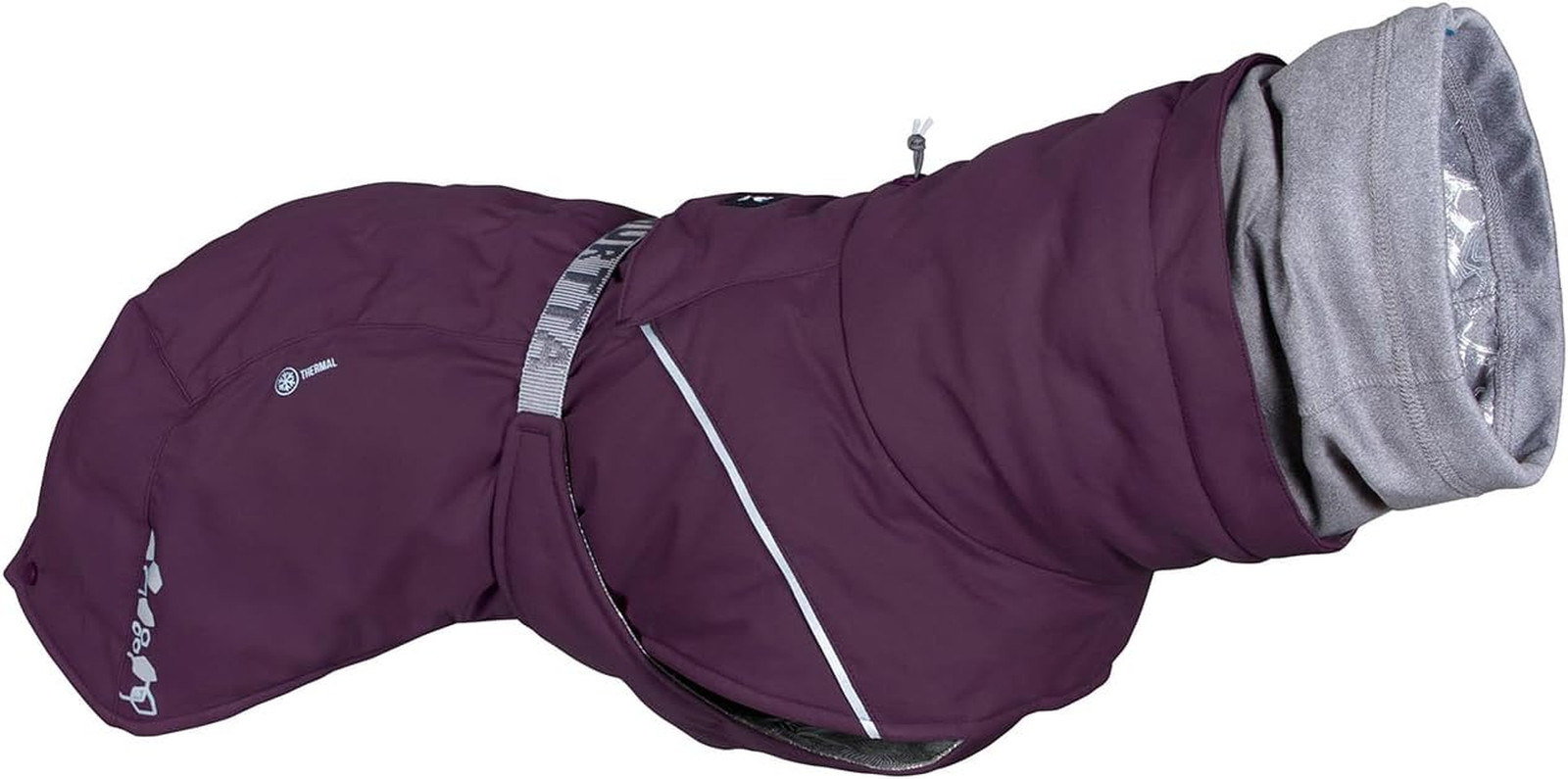 Extreme Warmer III ECO, Cold Weather Winter Dog Coat, Eggplant, 26 In$203.31New with tags · Last checked Nov 17, 2026View on eBay
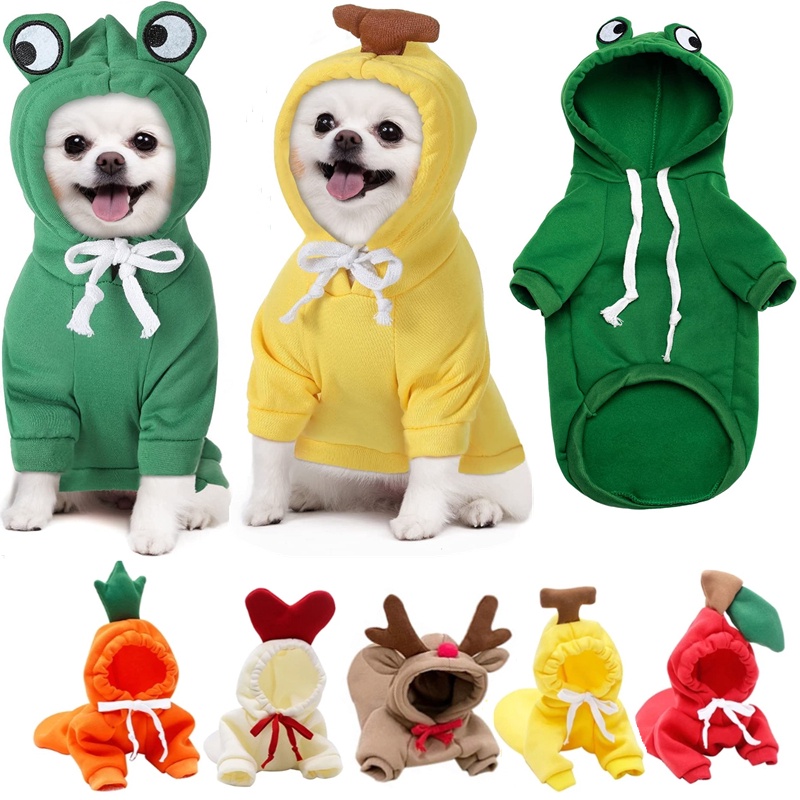 Cute Fruit Dog Clothes For Small Dogs Hoodies Winter Warm Fleece Pet Clothing Puppy Cat Costume Coat For French Chihuahua Outfit$9.99View on Mallflare
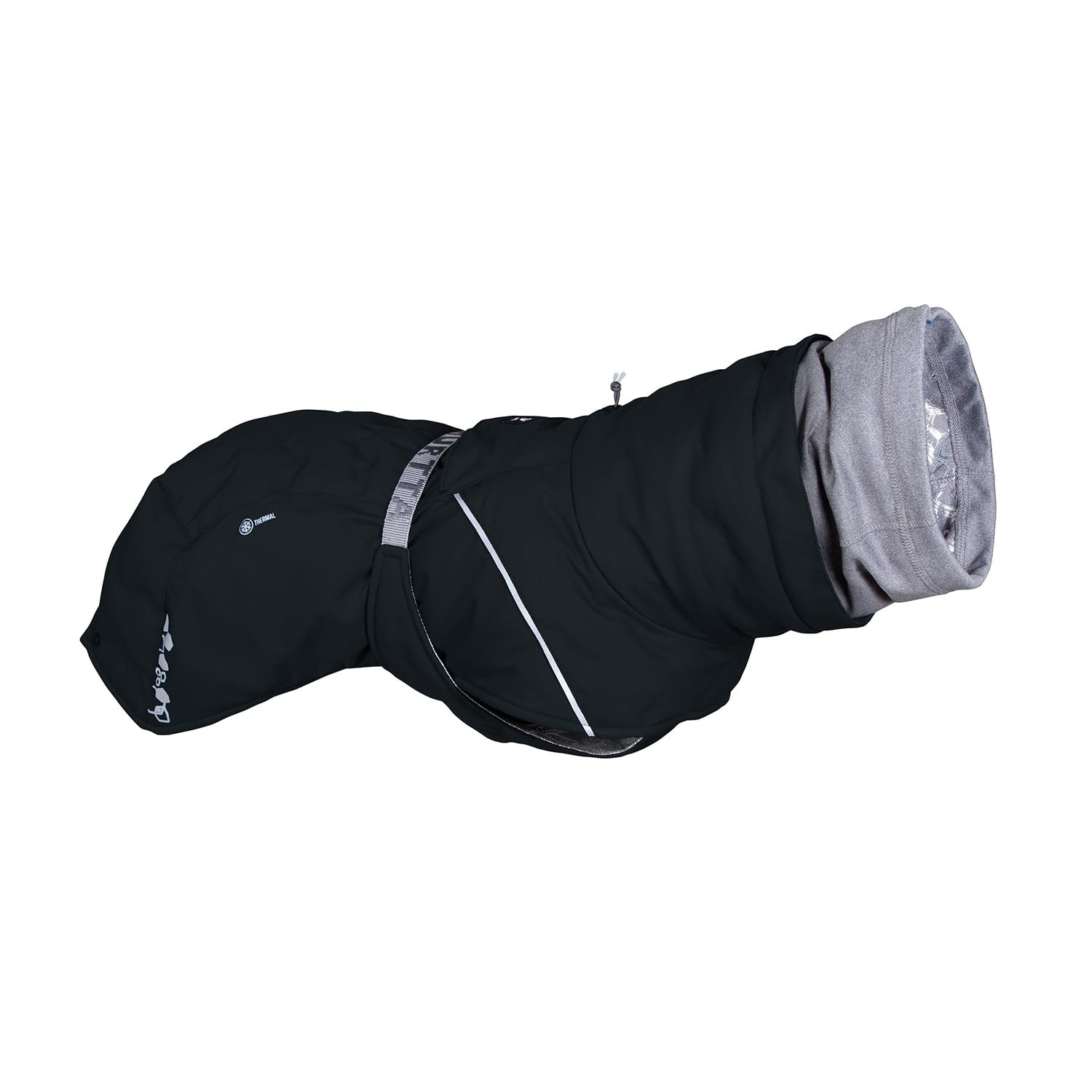 Hurtta Extreme Warmer III ECO Winter Dog Coat Raven 24 in$217.99New with tags · Last checked Nov 17, 2026View on eBay
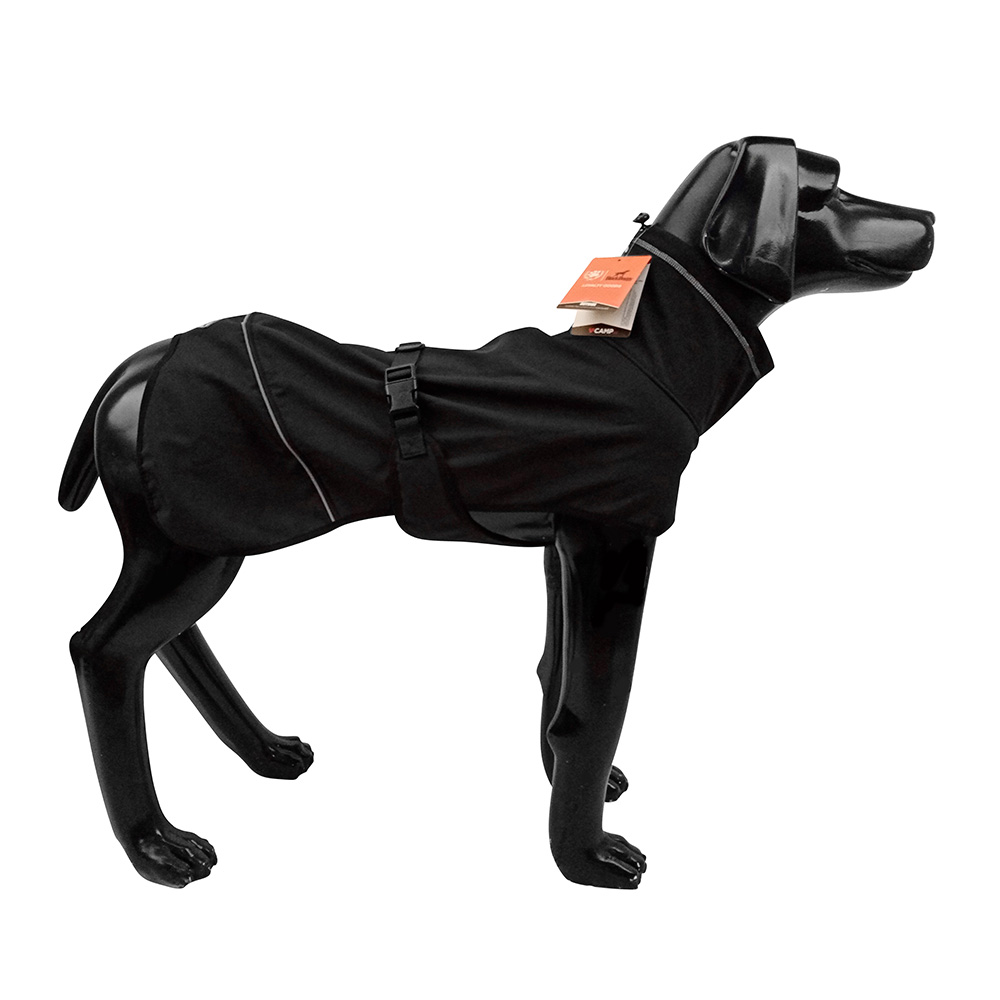 Water Repellent Softshell Dog Jacket Pet Clothes for Spring Autumn,Outdoor Sport Dog with High Neckline Collar Cold Weather Pets Apparel Winter Warm Coats Puppy Comfort Vest-(black,size M)$27.99View on Mallflare
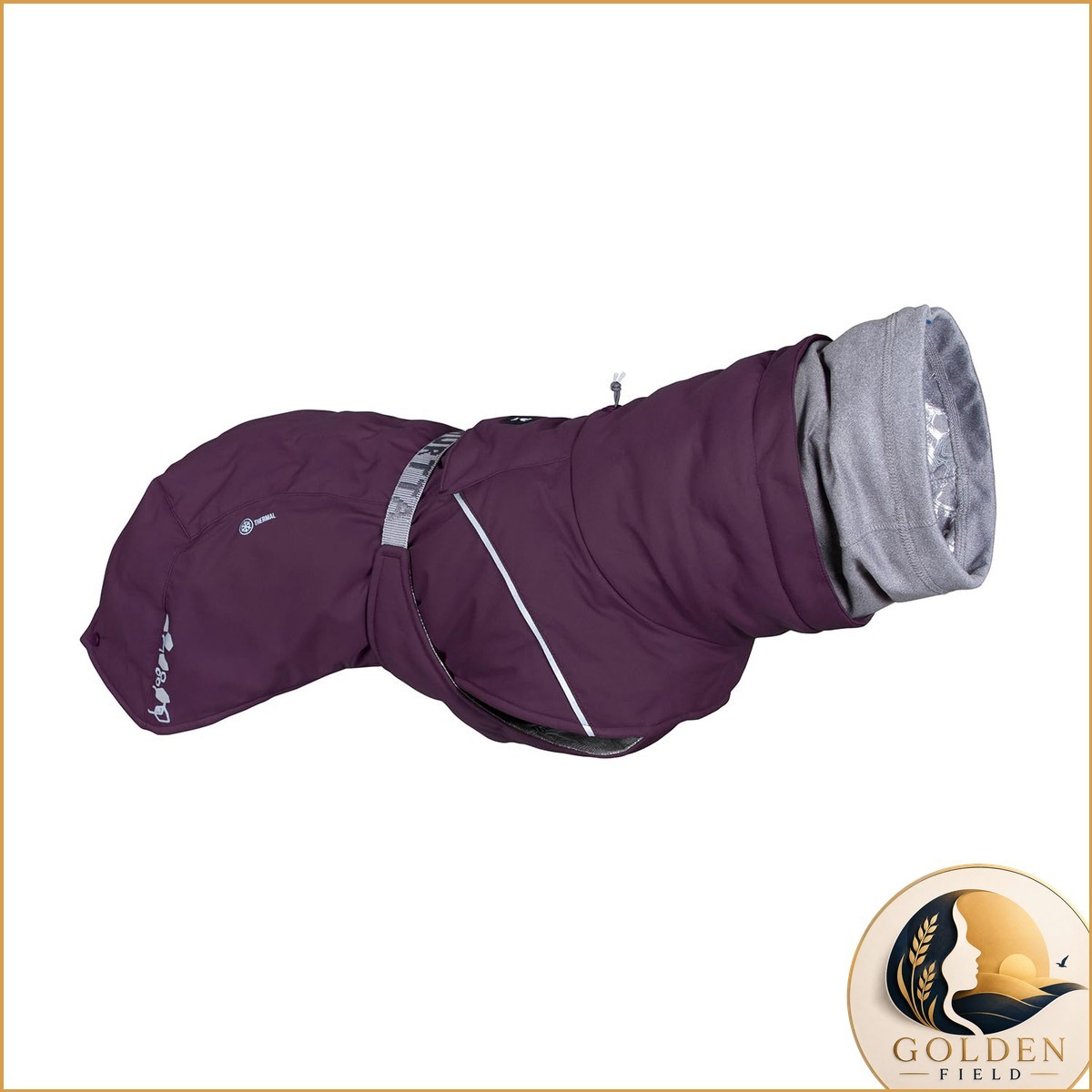 Hurtta Extreme Warmer III ECO Cold Weather Winter Dog Coat Eggplant 24 in$239.34New · Last checked Nov 17, 2026View on eBay
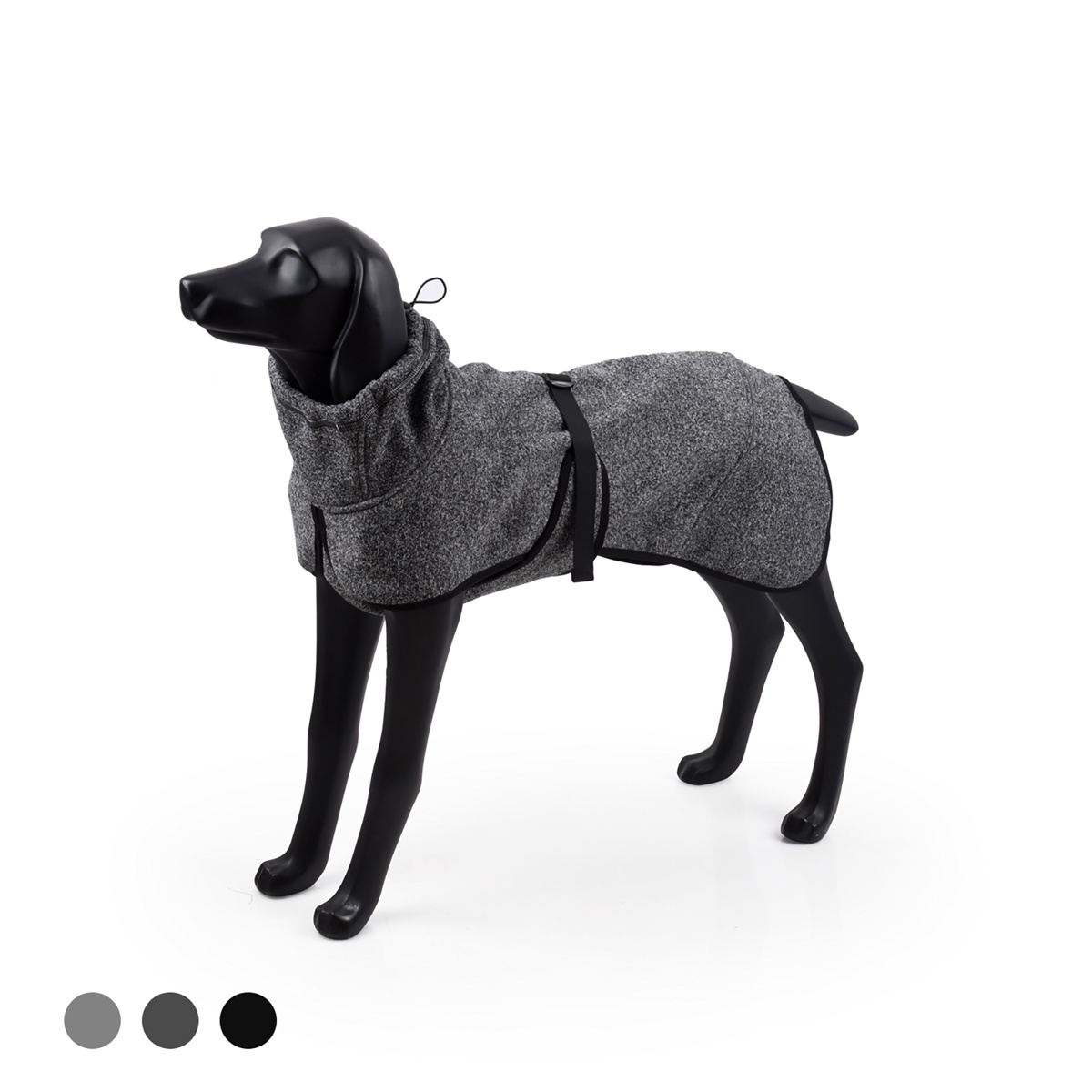 Water Repellent Softshell Dog Jacket Pet Clothes for Spring Autumn,Outdoor Sport Dog with High Neckline Collar Cold Weather Pets Apparel Winter Warm Coats Puppy Comfort Vest--(DeepGary,size L)$27.99View on Mallflare
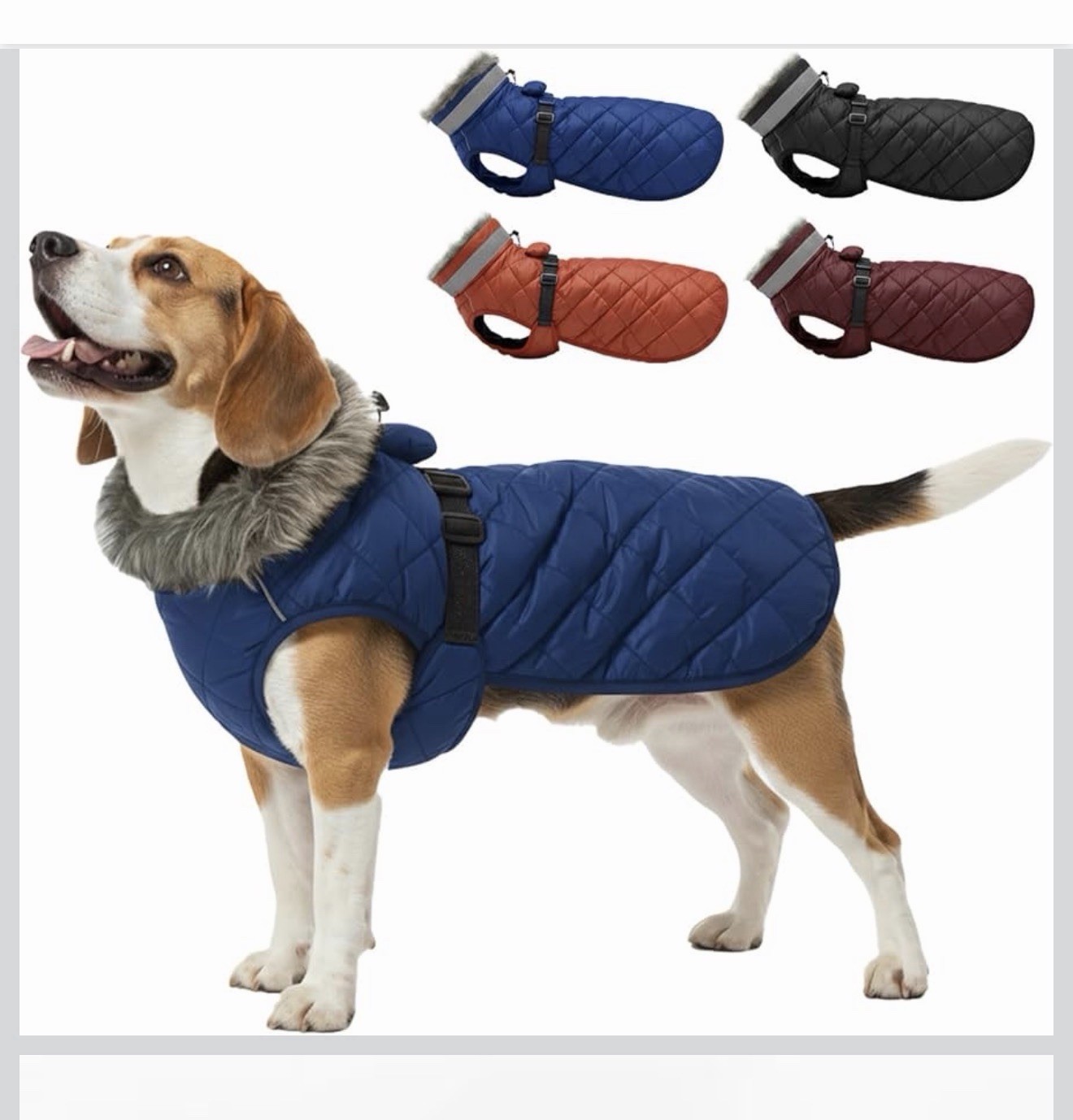 LUVMOJO XXXXL Dog Winter Coat for Giant Breeds, Heavy-Duty Blue$20,000.00New with tags · Last checked Nov 17, 2026View on eBay
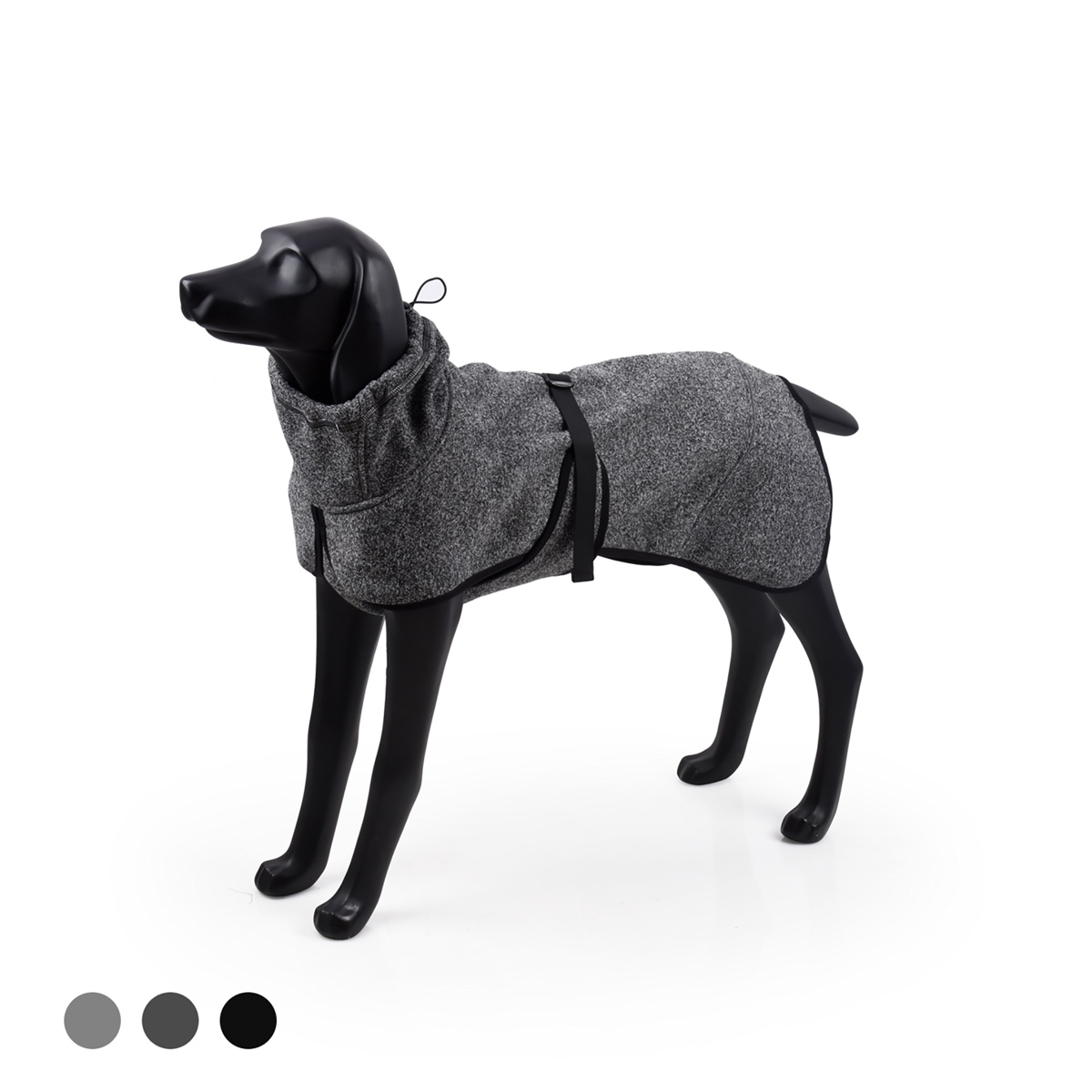 Water Repellent Softshell Dog Jacket Pet Clothes for Spring Autumn,Outdoor Sport Dog with High Neckline Collar Cold Weather Pets Apparel Winter Warm Coats Puppy Comfort Vest-(DeepGary,size M)$31.99View on Mallflare
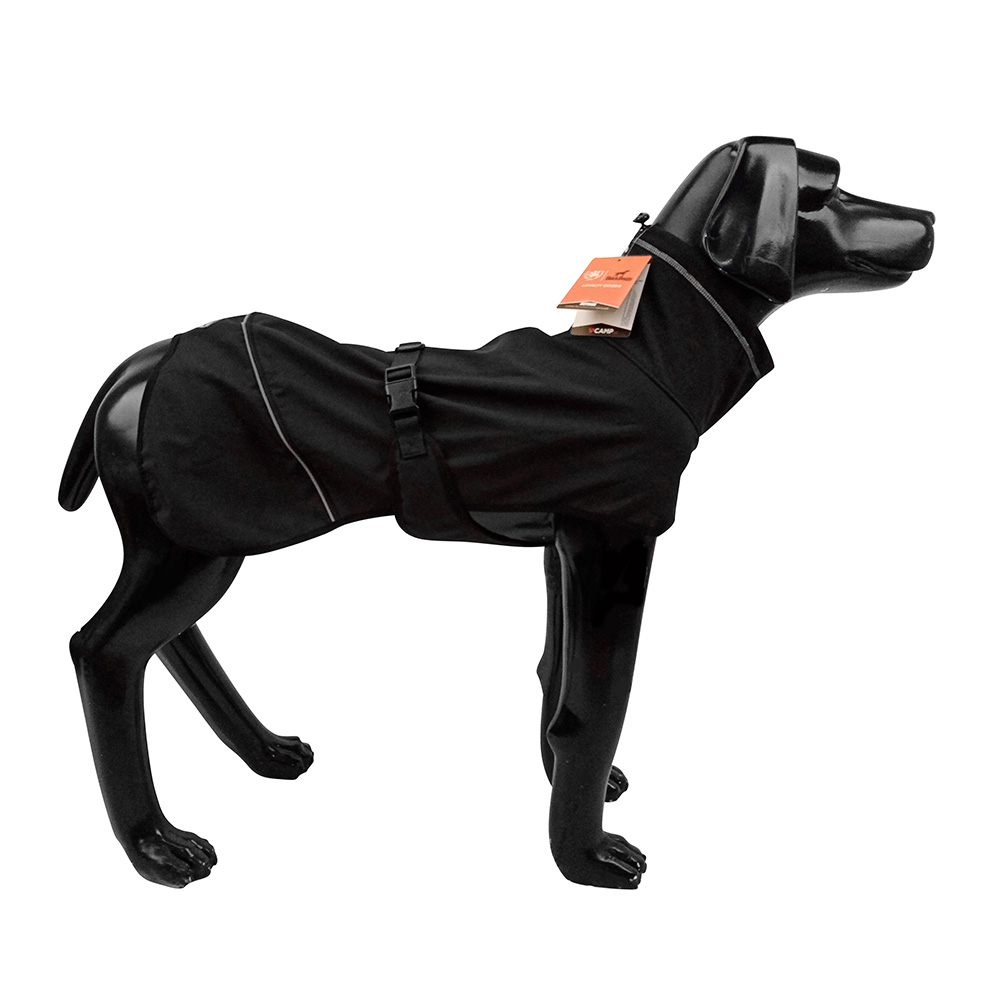 Water Repellent Softshell Dog Jacket Pet Clothes for Spring Autumn,Outdoor Sport Dog with High Neckline Collar Cold Weather Pets Apparel Winter Warm Coats Puppy Comfort Vest-(black,size XL)$34.99View on Mallflare
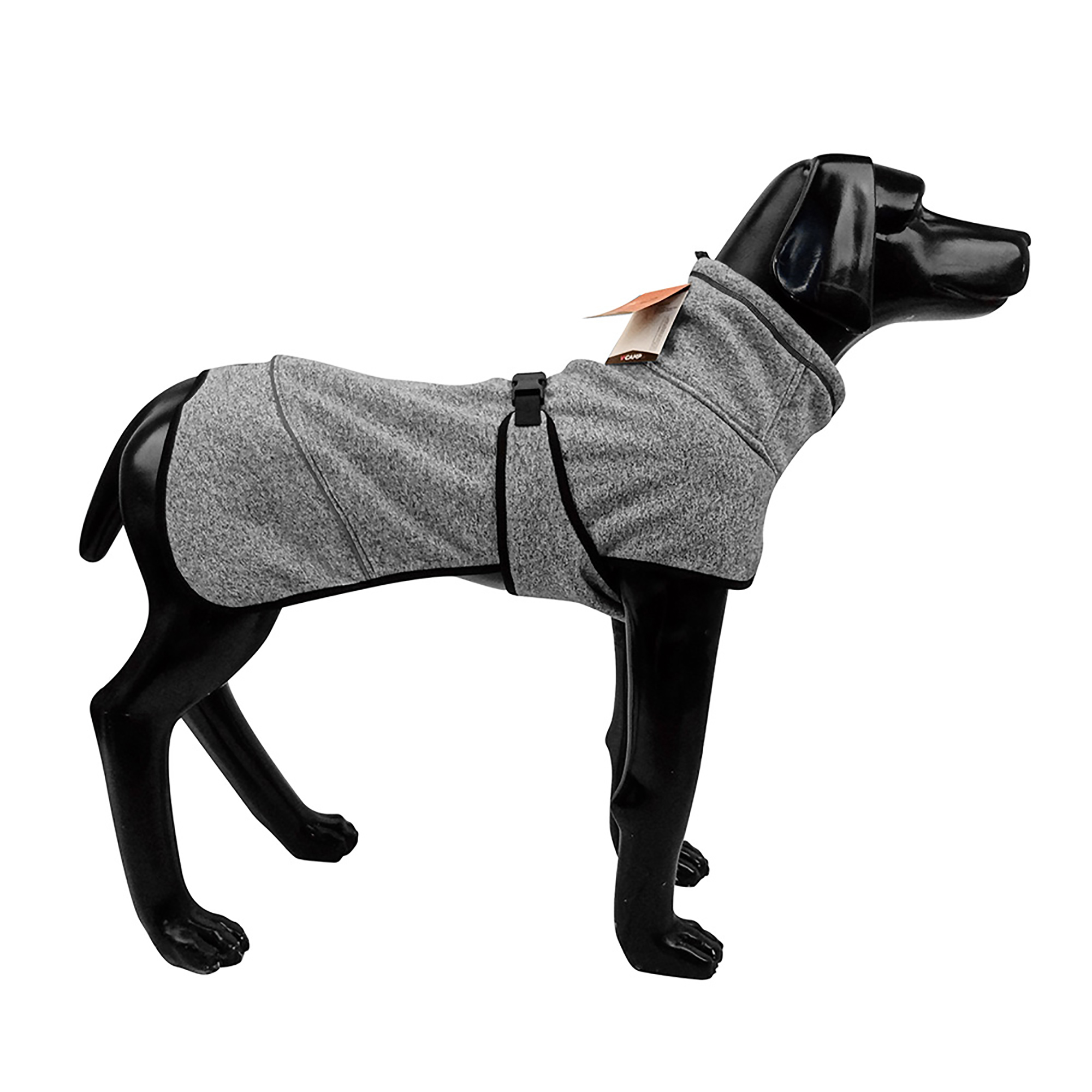 Water Repellent Softshell Dog Jacket Pet Clothes for Spring Autumn,Outdoor Sport Dog with High Neckline Collar Cold Weather Pets Apparel Winter Warm Coats Puppy Comfort Vest-(lightgray,size L)$37.99View on Mallflare
Highlights
- Leg design splits into two architectures: full-length trouser-style legs with elastic cuffs for sub-freezing static cold, and half-leg sleeves that protect joints without limiting range of motion on active walks.
- Shell fabric determines real-world warmth: a 3-layer softshell with a TPU or PU membrane blocks wind and slush, while single-layer fleece or polyester absorbs moisture and loses insulating value when wet.
- Insulation grade matters more than thickness claims: closed-cell foam or bonded polyester batting rated for -15°C to -25°C holds loft when compressed, whereas loose poly-fill migrates and creates cold spots at the shoulders and hips.
- Attachment hardware separates durable coats from compromises: wide hook-and-loop chest and belly straps with buckles stay put on deep-chested breeds, while narrow single-strap closures rotate and expose the belly in snow.
Best use cases
- Best fit: choose a full-leg waterproof softshell coat with elastic cuffs for senior dogs, short-haired breeds (Greyhound, Chihuahua, Boxer), and sub-freezing static outdoor time; these need limb insulation and belly coverage.
- Best fit: pick a half-leg or sleeve-style coat with a high neckline and harness opening for active winter walks and hiking; full trouser legs snag on brush and restrict stride at speed.
- Wrong fit: skip long-leg fleece coats for wet snow or slush climates; fleece wicks moisture to the skin and chills the dog, and stitched leg seams wick water upward into the chest panel.
- Wrong fit: avoid full-leg coats for dogs with heavy feathering or long Poodle-type coats; leg fabric mats the coat and traps snowballs, so a vest-style coat with belly panel is the better configuration.
Buying tips
- Measure back length from base of neck to tail base and chest girth at the widest point behind the front legs; leg length must match the dog's inseam from groin to paw, or the coat drags or binds at the elbow.
- Match insulation to climate tier: bonded batting or closed-cell foam for sustained below -10°C; unlined softshell or single-layer fleece for 0°C to -10°C active use; skip leg coverage above 5°C to prevent overheating.
- Require a waterproof membrane rating on the shell (look for 5,000 mm+ hydrostatic head or a laminated 3-layer softshell) and taped or sealed critical seams at the leg joints for slush and rain.
- Choose leg cuffs with elastic or hook-and-loop adjustment and a reinforced abrasion panel at the paw end; open hem legs fill with snow, and thin cuffs tear on ice and pavement within a season.
Specs
| Leg Coverage | Full trouser vs half-leg sleeve |
|---|---|
| Shell Fabric | 3-layer softshell vs fleece/polyester |
| Insulation Type | Bonded batting/foam vs loose fill |
| Closure System | Wide hook-and-loop + buckles |
Related searches
What to check before buying
- Measure back length, chest girth, and leg inseam with the dog standing; add 2–5 cm of ease for sweater underlayers and confirm the leg length clears the paw without dragging.
- Check harness and leash compatibility: the coat needs a reinforced leash slot or harness opening positioned over the shoulder blades, not the mid-back, so the harness sits flat.
- Confirm the closure system fits your dog's body type: deep-chested breeds need wide belly straps with buckles; narrow-chested breeds need adjustable chest straps to prevent leg holes from gaping.
- Verify climate and surface compatibility: waterproof shell and sealed seams for wet snow and road salt; smooth nylon lining for burr-prone terrain; avoid metal hardware that freezes against skin.
FAQ
Data sources: eBay / Amazon listings and product attribute feeds. Updated Nov 27, 2026.
Some links on this page are affiliate links. If you buy after clicking one, we may earn a commission at no extra cost to you. This does not change which products appear here or their order. Affiliate disclosure.