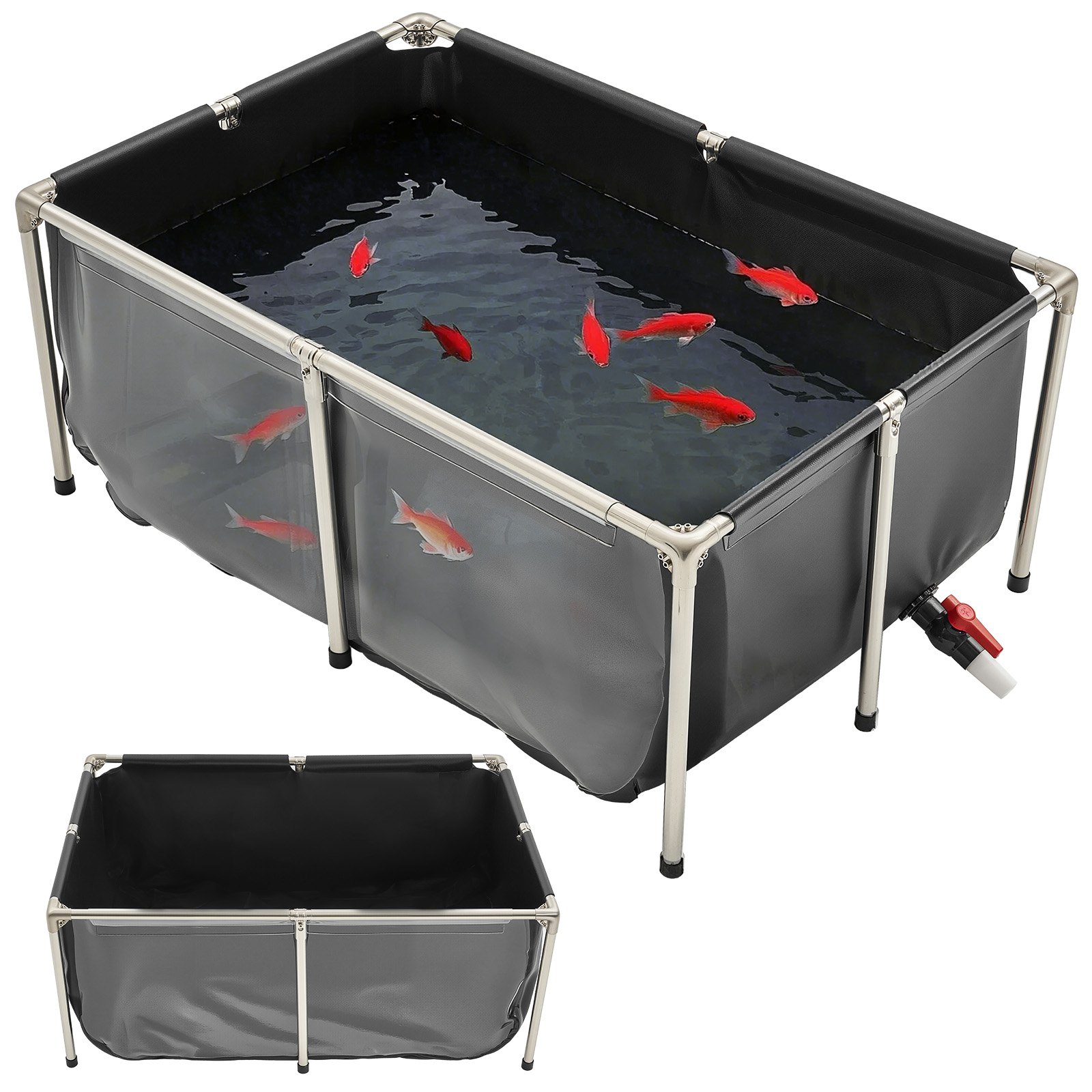

Photos from current listings. Actual item, color, and included accessories may vary.
Koi Fish Tank Buying Guide
A koi tank is a high-volume, high-oxygen water vessel — typically an above-ground canvas or rigid pond, or a very large indoor aquarium — built to handle the heavy bioload of growing koi. The core trade-off is water volume and surface area versus footprint and structural support: koi outgrow small glass tanks fast, so capacity, filtration turnover, and stand load rating decide whether the setup lasts. The decision rule: buy the largest volume your floor and filter can support, and never treat a 10–55 gallon glass aquarium as a permanent koi home.
Median $131.99
Key takeaways
- Koi reach 12–24 inches and need roughly 250 gallons for the first fish plus 100–150 gallons per additional adult — small glass tanks are grow-out only.
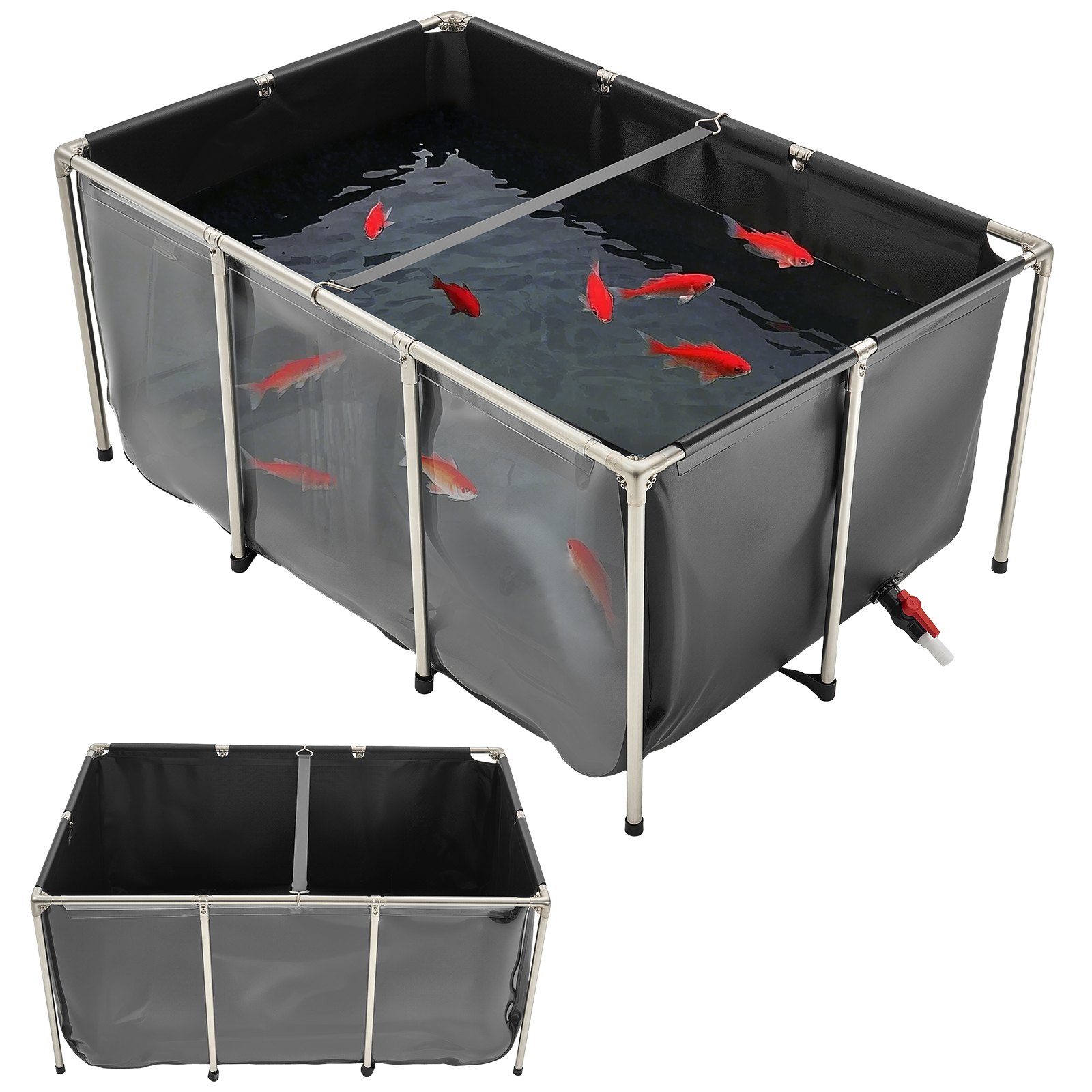
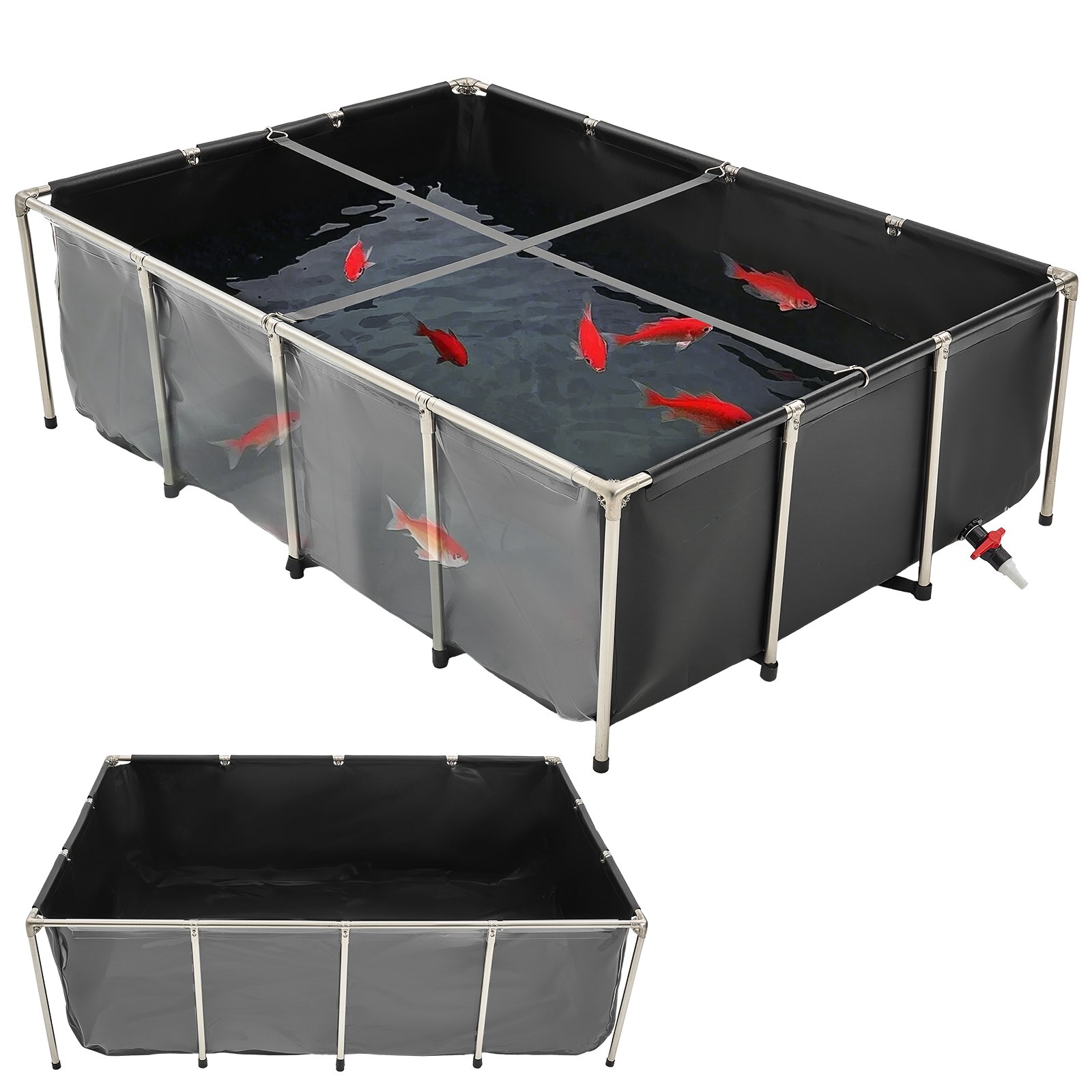
- Canvas above-ground koi tanks use PVC-coated polyester or reinforced tarpaulin with heat-welded seams; viewing panels are clear PVC or acrylic bonded to the wall.
- Filtration must turn over the full volume 2–4 times per hour, with mechanical pre-filter plus biological media sized to koi waste output.
At a glance
- Category
- Aquarium Tanks & Stands
- Last updated
- Nov 27, 2026
Current offers
Highlights
- Koi reach 12–24 inches and need roughly 250 gallons for the first fish plus 100–150 gallons per additional adult — small glass tanks are grow-out only.
- Canvas above-ground koi tanks use PVC-coated polyester or reinforced tarpaulin with heat-welded seams; viewing panels are clear PVC or acrylic bonded to the wall.
- Filtration must turn over the full volume 2–4 times per hour, with mechanical pre-filter plus biological media sized to koi waste output.
- Rigid indoor koi tanks rely on thick tempered glass or acrylic and a stand rated well above filled weight — water alone is 8.34 lb per gallon.
Best use cases
- Indoor overwintering in a garage or basement: pick a canvas above-ground tank in the 250–500 gallon range with a clear viewing panel and a 1000+ GPH external filter; skip 10–55 gallon glass aquariums.
- Outdoor patio or greenhouse koi display: choose the largest canvas tank that fits the pad, add a bottom drain or retrofitted pump intake, and plan a cover for debris and predators.
- Quarantine or hospital tank: a 100–150 gallon canvas tank with a sponge filter and daily water changes beats a small glass tank; skip bare 10 gallon setups for koi.
- Permanent show-quality koi in a living space: commission a 300+ gallon rigid acrylic or tempered-glass tank with a load-rated stand; skip canvas tanks indoors where seam leaks or condensation are unacceptable.
Buying tips
- Size by fish count, not by tank label: 250 gallons for one adult koi, plus 100–150 gallons per additional adult; 10–55 gallon glass tanks are short-term grow-out only.
- Match filter turnover to koi bioload: choose a pump and filter rated for 2–4 full-volume turns per hour — a 300 gallon tank needs 600–1200 GPH real flow after head loss.
- For canvas tanks, check wall material grade (PVC-coated polyester 500–1000D or reinforced tarpaulin) and heat-welded seams; stitched seams fail under constant hydrostatic load.
- For rigid tanks, require tempered glass at least 10–12 mm on tanks over 100 gallons, and a stand rated for water weight plus substrate, rock, and livestock — 300 gallons is over 2,500 lb.
Specs
| Tank Type | Canvas above-ground / rigid glass or acrylic |
|---|---|
| Minimum Adult Volume | 250 gal first koi, +100–150 gal each |
| Filter Turnover | 2–4x full volume per hour |
| Glass Thickness (100+ gal) | Tempered 10–12 mm minimum |
Related searches
What to check before buying
- Measure the footprint and confirm floor load capacity: a 300 gallon setup weighs over 2,500 lb with water alone, so a reinforced slab or basement floor is required.
- Confirm ceiling height and door width for tank delivery and future access — canvas tanks ship folded, rigid acrylic tanks often arrive as one piece.
- Check the electrical circuit: pump, UV sterilizer, heater, and aerator together can draw 5–15 amps; a GFCI-protected dedicated circuit is standard for indoor koi tanks.
- Plan for a drain or hose reach for 20–50% weekly water changes; koi tanks without a nearby drain or sump pump become maintenance-bound.
FAQ
Data sources: eBay / Amazon listings and product attribute feeds. Updated Nov 27, 2026.
Some links on this page are affiliate links. If you buy after clicking one, we may earn a commission at no extra cost to you. This does not change which products appear here or their order. Affiliate disclosure.