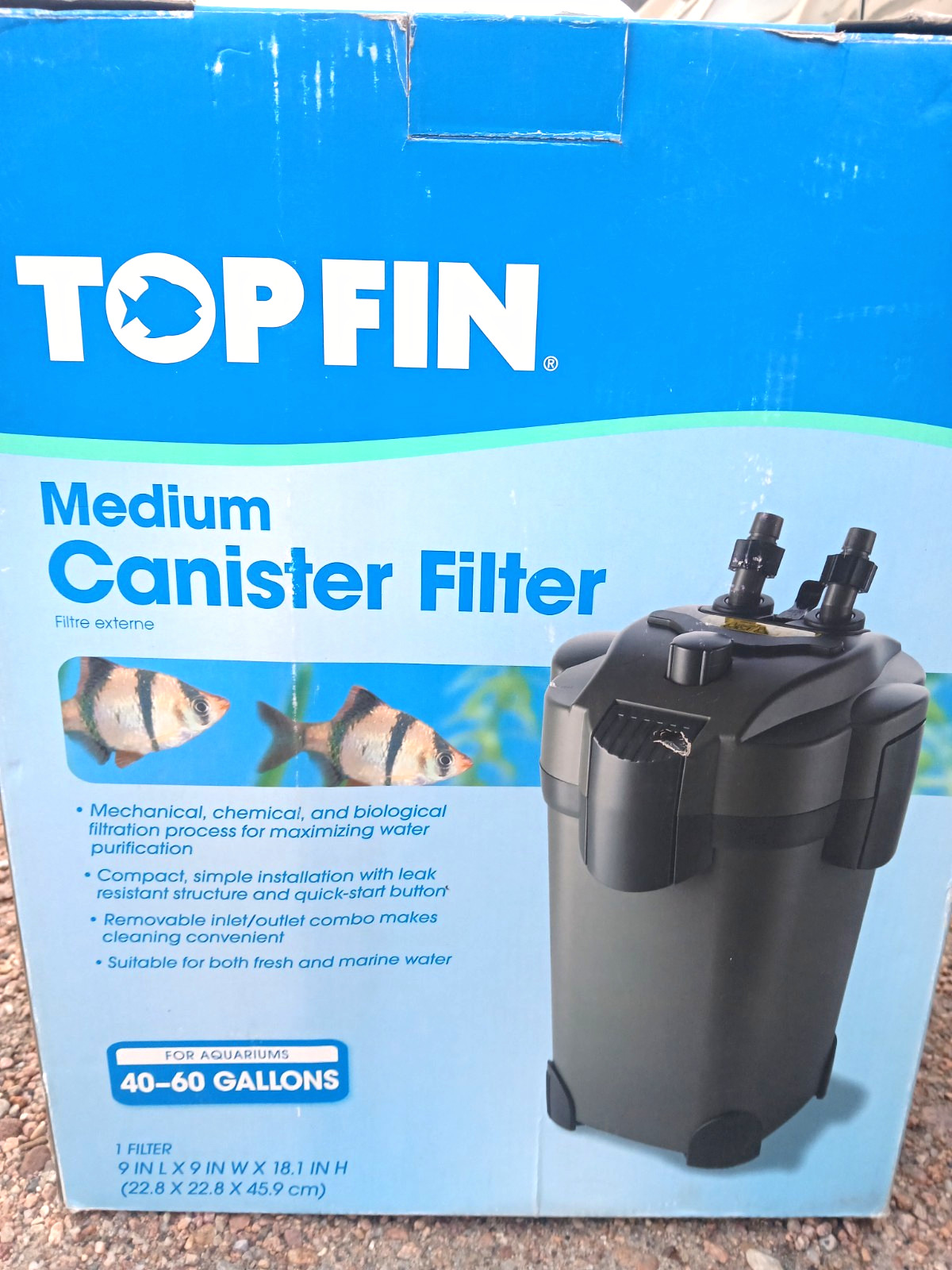

Photos from current listings. Actual item, color, and included accessories may vary.
Fin Filter Buying Guide
A Fin Filter refers to the Top Fin brand of aquarium canister filters, which use a sealed canister and pump to push water through mechanical and biological media. The primary trade-off is canister capacity and flow rate versus the maintenance burden of priming and hose routing. The clear decision rule: choose a canister only if you have a cabinet to hide it and a tank large enough to justify the media volume; otherwise, a hang-on-back or internal filter is the better compromise.
Key takeaways
- Top Fin canister filters are sold in tiered flow rates (e.g., 20/30/45/75 gallons) where the tank rating is based on moderate bioload, not goldfish or cichlids.
- Canister media trays stack mechanical foam, biological ceramic rings, and chemical carbon; the number of trays directly determines biological filtration capacity.
- Priming is the key usability difference: self-priming models use a manual pump head, while gravity-primed models require filling the canister and siphon action.
At a glance
- Category
- Aquarium Filters & Pumps
- Status
- Listings available
- Last updated
- Nov 28, 2026
Current offers
Highlights
- Top Fin canister filters are sold in tiered flow rates (e.g., 20/30/45/75 gallons) where the tank rating is based on moderate bioload, not goldfish or cichlids.
- Canister media trays stack mechanical foam, biological ceramic rings, and chemical carbon; the number of trays directly determines biological filtration capacity.
- Priming is the key usability difference: self-priming models use a manual pump head, while gravity-primed models require filling the canister and siphon action.
- Hose diameter and canister seal O-rings are the most common failure points; replacement parts availability separates durable Top Fin units from disposable ones.
Best use cases
- Best fit: freshwater community tanks of 30–75 gallons with a cabinet stand—pick the canister rated at least one tier above your tank volume for cichlids or heavy stocking.
- Wrong fit: nano tanks under 10 gallons or tanks without below-tank clearance—use a hang-on-back or sponge filter instead, as canister flow will overwhelm small volumes.
- Best fit: planted tanks needing CO2 injection and gentle circulation—canister with spray bar allows flow adjustment without surface agitation that off-gasses CO2.
- Wrong fit: tanks requiring frequent media changes (e.g., medication treatment)—canister teardown is slower than HOB; use a separate quarantine filter.
Buying tips
- Match flow rate to tank volume: aim for 4–5x turnover per hour for community tanks, 6–8x for goldfish or cichlids; a 40-gallon tank needs 160–320 GPH actual flow.
- Count media trays: 3-tray canisters suit 30–50 gallons, 4-tray for 50–75 gallons; fewer trays mean less biological media and more frequent cleaning.
- Check hose length and diameter: most canisters use 5/8-inch ID hose; measure cabinet height plus tank height to ensure hoses reach without kinking.
- Prefer canisters with a priming pump and quick-disconnect valves—these reduce maintenance time and spill risk compared to gravity-primed units.
Specs
| Filter Type | Canister (external pressurized) |
|---|---|
| Flow Rate | 100–400 GPH by model tier |
| Media Trays | 2–4 stackable trays |
| Priming Method | Manual pump vs gravity siphon |
Alternatives to compare
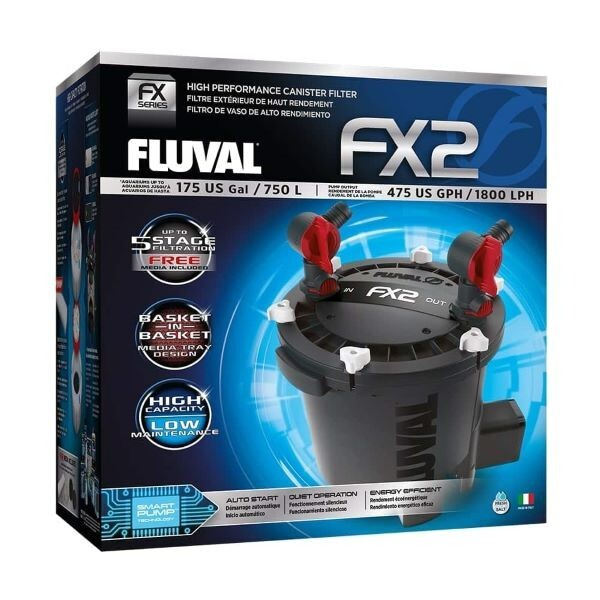
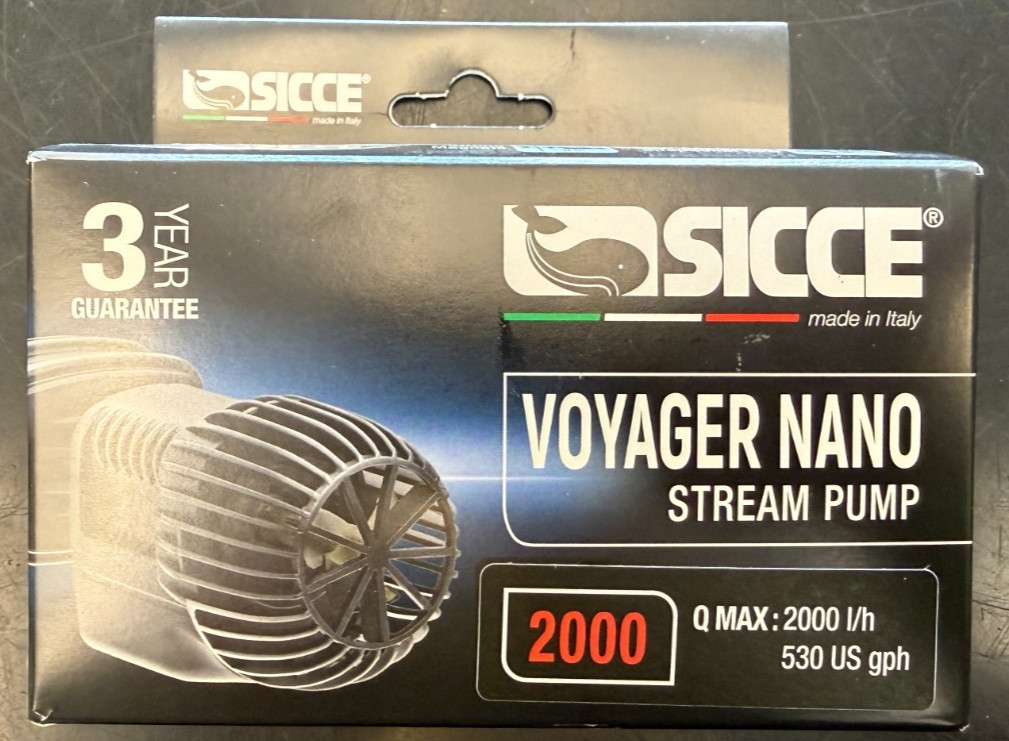
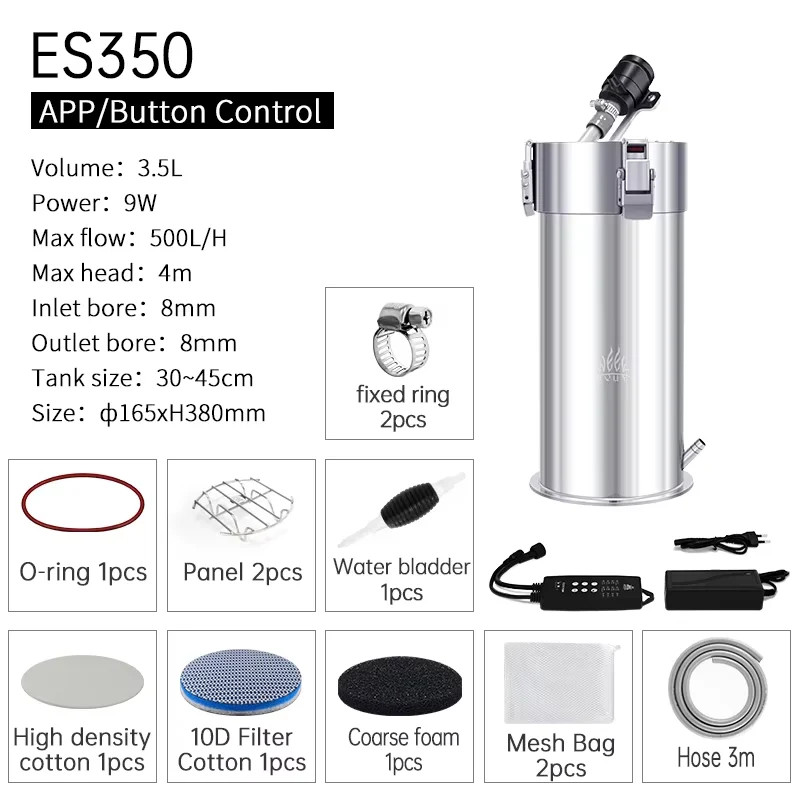
Related searches
What to check before buying
- Measure cabinet interior height and width: canister height plus hose bend radius must fit; most units need 18–24 inches of vertical clearance.
- Verify tank rim type: canister intake and return hoses clamp over the rim; rimless or euro-braced tanks may need specific hose clips.
- Confirm electrical outlet placement: canister pump cords are typically 6 feet; ensure GFCI-protected outlet is within reach and above spill level.
- Check replacement media availability: Top Fin canister-specific foam and O-rings should be purchasable; universal ceramic rings and filter floss fit most trays.
FAQ
Data sources: eBay / Amazon listings and product attribute feeds. Updated Nov 28, 2026.
Some links on this page are affiliate links. If you buy after clicking one, we may earn a commission at no extra cost to you. This does not change which products appear here or their order. Affiliate disclosure.